
What Happened
Resident doctors at Olabisi Onabanjo University Teaching Hospital in Sagamu, Ogun State, have issued a urgent appeal to the Nigerian government, demanding sweeping reforms to address the country’s deteriorating healthcare system. Dr John Omotoso, president of the hospital’s Association of Resident Doctors, framed the situation as a national emergency, citing chronic underfunding, inadequate infrastructure, and poor working conditions as key drivers of the crisis. The doctors are also pushing for a minimum monthly wage of N1 million, arguing that current salaries are insufficient to retain talent in a sector plagued by mass emigration of skilled professionals.
Why Public Health Officials Are Concerned
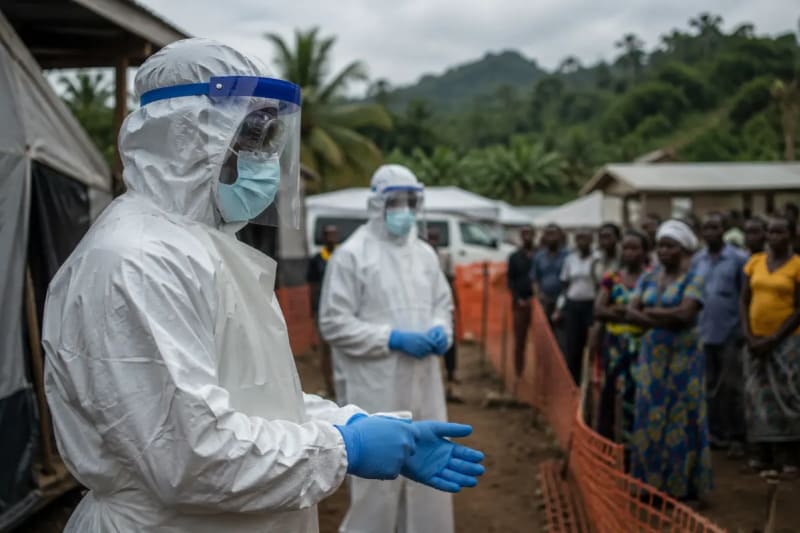
The healthcare system in Nigeria has long struggled with systemic challenges, but recent trends have raised alarms among public health experts. Over the past decade, an estimated 9,000 Nigerian doctors have relocated abroad in search of better opportunities, according to data from the Nigerian Medical Association. This brain drain has left public hospitals understaffed, with patient to doctor ratios far exceeding World Health Organization recommendations. The COVID 19 pandemic further exposed the fragility of the system, with reports of overwhelmed facilities, shortages of essential supplies, and healthcare workers operating without adequate protection.
Omotoso’s call for a state of emergency reflects broader concerns about the sustainability of Nigeria’s healthcare infrastructure. Without intervention, experts warn that the exodus of medical professionals could accelerate, leaving vulnerable populations without access to critical care. The proposed N1 million minimum wage is seen as a stopgap measure to stem the tide of departures, though economists caution that salary adjustments alone may not be enough to address the root causes of the crisis.
Who May Be Affected
The healthcare crisis disproportionately impacts low and middle income Nigerians who rely on public hospitals for medical care. With private healthcare often unaffordable, many patients face long wait times, limited access to specialists, and substandard facilities. The situation is particularly dire in rural areas, where healthcare deserts are common and residents must travel long distances for basic services. Healthcare workers, too, are bearing the brunt of the system’s failures, with reports of unpaid salaries, unsafe working conditions, and lack of career advancement opportunities driving many to seek employment abroad.
Government Response
The Nigerian government has acknowledged the challenges facing the healthcare sector but has yet to declare a state of emergency. In recent years, officials have introduced policies aimed at improving healthcare delivery, including the Basic Health Care Provision Fund, which allocates 1% of the federal budget to primary healthcare. However, critics argue that these measures have been insufficient to address the scale of the problem. The federal government has also engaged in negotiations with medical unions over wages and working conditions, though progress has been slow and contentious.
In response to the resident doctors’ demands, the Ogun State government has not issued a formal statement. However, state officials have previously pledged to invest in healthcare infrastructure and improve working conditions for medical professionals. The effectiveness of these promises remains to be seen, as similar commitments at the federal level have often gone unfulfilled.
Prevention and Safety Guidance
While systemic reforms are urgently needed, there are steps individuals can take to mitigate the impact of Nigeria’s healthcare crisis. Patients are advised to:
- Seek preventive care, such as vaccinations and regular check ups, to reduce the need for emergency services.
- Explore community health centers for basic medical needs, as these facilities are often less crowded than teaching hospitals.
- Advocate for improved healthcare services by engaging with local representatives and participating in public health initiatives.
- Stay informed about healthcare policies and reforms that may affect access to services.
Healthcare workers, meanwhile, are encouraged to:
- Join professional associations to amplify their voices and push for better working conditions.
- Prioritize self care and mental health support, given the high stress levels associated with the current environment.
- Engage in continuous professional development to enhance their skills and career prospects, both locally and internationally.
What Readers Should Know
The healthcare crisis in Nigeria is not just a policy issue; it is a matter of life and death for millions of citizens. The call for a state of emergency and fair wages by resident doctors highlights the urgent need for action to prevent further deterioration of the system. While the government bears primary responsibility for addressing these challenges, public awareness and advocacy can play a critical role in driving change. Nigerians are encouraged to stay informed, demand accountability from leaders, and support initiatives aimed at strengthening the healthcare sector. The stakes could not be higher, as the future of the country’s public health hangs in the balance.
Key Takeaways
- Nigeria’s healthcare system is in a state of crisis, with resident doctors calling for an immediate state of emergency to address chronic underfunding and poor working conditions.
- The proposed N1 million minimum monthly wage for doctors aims to curb the brain drain of medical professionals, which has left public hospitals understaffed and patients underserved.
- Without urgent reforms, the healthcare crisis could worsen, disproportionately affecting low and middle income Nigerians who rely on public hospitals for medical care.
Frequently Asked Questions
Why are Nigerian doctors demanding a minimum wage of N1 million?
Nigerian doctors are advocating for a N1 million minimum monthly wage to address the severe underpayment of medical professionals, which has contributed to a mass exodus of skilled workers from the country. The demand is part of a broader effort to retain talent and improve working conditions in a sector plagued by chronic underfunding and poor infrastructure.
What are the main challenges facing Nigeria’s healthcare system?
Nigeria’s healthcare system faces multiple challenges, including chronic underfunding, inadequate infrastructure, brain drain of medical professionals, and poor working conditions for healthcare workers. These issues have led to overwhelmed facilities, limited access to care, and a decline in the quality of services, particularly in public hospitals.
How does the healthcare crisis affect ordinary Nigerians?
The healthcare crisis disproportionately impacts low and middle income Nigerians who rely on public hospitals. Patients often face long wait times, limited access to specialists, and substandard facilities. Rural areas are particularly affected, with many residents having to travel long distances for basic medical care.
What steps can individuals take to cope with the healthcare crisis?
Individuals can mitigate the impact of the healthcare crisis by seeking preventive care, exploring community health centers for basic needs, advocating for improved services, and staying informed about healthcare policies. Healthcare workers are encouraged to join professional associations, prioritize self care, and engage in continuous professional development.
Medical Review: MedSense Editorial Board











DISCUSSION (0)
POST A COMMENT