
What Happened
The Nigerian Medical Association (NMA) in Lagos has issued a blunt warning about the state of the country’s healthcare system, highlighting the Federal Government’s lack of action to address the accelerating exodus of medical professionals. In a statement released to commemorate Democracy Day, Dr. Babajide Saheed, Lagos NMA Chairman, criticized the government’s failure to implement meaningful reforms or infrastructure improvements, leaving hospitals understaffed and overburdened. The term "Japa," a Nigerian slang for mass emigration, has become synonymous with the departure of doctors, nurses, and other healthcare workers seeking better pay, working conditions, and career prospects abroad.
Why Public Health Officials Are Concerned
The unchecked departure of healthcare workers poses a direct threat to Nigeria’s ability to deliver essential medical services. Hospitals in major cities like Lagos, Abuja, and Port Harcourt are already operating with skeletal staff, leading to delayed diagnoses, longer wait times for surgeries, and increased pressure on remaining healthcare workers. The situation is even more dire in rural areas, where access to medical care was already limited. Public health experts warn that without urgent intervention, the country could face a collapse in primary and emergency care, with ripple effects on maternal health, infectious disease control, and chronic disease management.
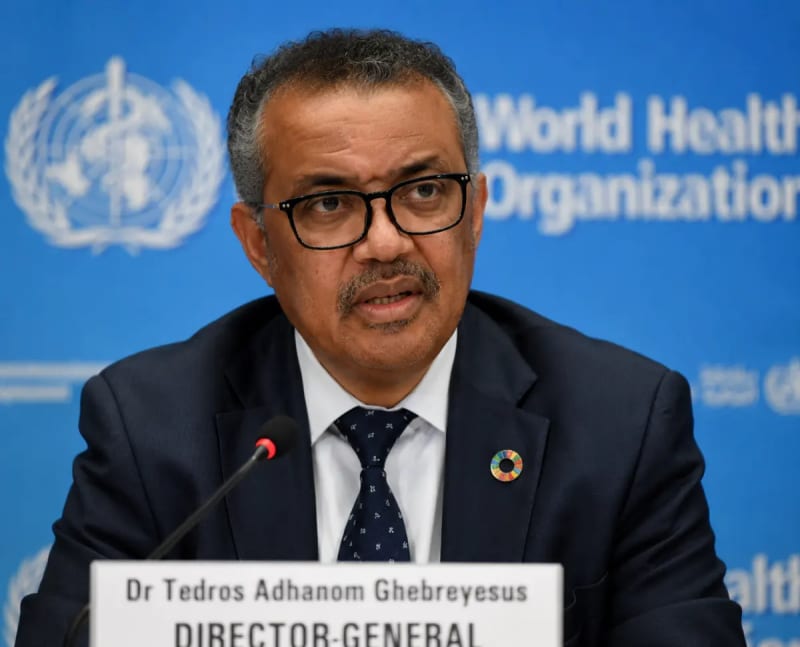
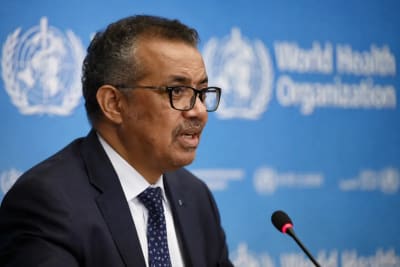
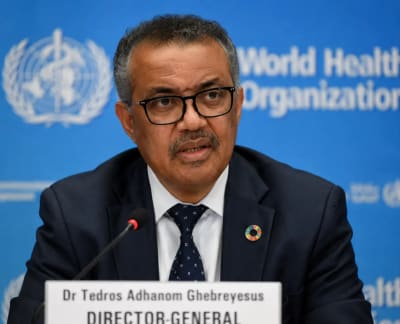
The NMA’s concerns are echoed by international health organizations, which have repeatedly flagged Nigeria’s healthcare workforce crisis as a regional emergency. The World Health Organization (WHO) estimates that Nigeria has only 3.8 doctors per 10,000 people, far below the recommended threshold of 23 doctors per 10,000 needed to provide adequate healthcare. The brain drain exacerbates this shortage, leaving the country ill equipped to handle outbreaks, pandemics, or even routine medical needs.
Who May Be Affected
The impact of the healthcare workforce crisis is felt across all segments of Nigerian society, but the most vulnerable populations are hit hardest. These include:
- Low income families: Public hospitals, which serve the majority of Nigerians, are the most affected by staffing shortages. Patients often face long delays for basic services, forcing many to seek care from unregulated private clinics or traditional healers.
- Rural communities: With fewer doctors and nurses willing to work in remote areas, residents are left with little to no access to medical care, leading to preventable deaths from treatable conditions.
- Chronic disease patients: Those requiring ongoing care for conditions like diabetes, hypertension, or HIV are particularly at risk, as staffing shortages disrupt treatment continuity and monitoring.
- Pregnant women and children: Maternal and child mortality rates, already among the highest in the world, are likely to worsen as obstetric and pediatric services become increasingly strained.
Government Response and Lack Thereof
Despite repeated warnings from medical associations, labor unions, and international bodies, the Federal Government has yet to implement a comprehensive strategy to address the brain drain. Proposals such as increased funding for healthcare, competitive salaries for medical professionals, and improved working conditions have been discussed but remain largely unimplemented. The NMA’s statement criticizes the government’s reliance on short term fixes, such as temporary recruitment drives, rather than addressing the systemic issues driving healthcare workers abroad.
In response to the NMA’s statement, the Federal Ministry of Health has not issued a detailed plan but has acknowledged the severity of the crisis. However, without concrete action, such as increased budgetary allocations, infrastructure upgrades, and policy reforms, Nigeria’s healthcare system will continue to lose ground, further eroding public trust in the government’s ability to protect its citizens.
Prevention and Safety Guidance
While systemic change requires government intervention, there are steps individuals and communities can take to mitigate the impact of the healthcare crisis:
- Prioritize preventive care: Regular check ups, vaccinations, and healthy lifestyle choices can reduce the need for emergency or specialist care.
- Advocate for local healthcare improvements: Community leaders and civil society groups can pressure local governments to invest in primary healthcare centers and retain medical staff.
- Support healthcare workers: Recognizing the challenges faced by doctors and nurses, such as burnout and unsafe working conditions, can foster a more supportive environment for those who remain in the system.
- Explore telemedicine options: Where available, telemedicine services can provide access to medical advice and consultations, reducing the burden on physical healthcare facilities.
What Readers Should Know
The healthcare crisis in Nigeria is not just a medical issue, it is a national emergency with far reaching social and economic consequences. The exodus of healthcare workers is a symptom of deeper systemic failures, including underfunding, poor governance, and a lack of long term planning. For Nigeria to reverse this trend, the government must treat healthcare as a priority, not an afterthought. Until then, the burden will continue to fall on patients, families, and the dwindling number of healthcare workers who remain.
For those directly affected by the crisis, staying informed about local healthcare resources, advocating for change, and prioritizing preventive care can help navigate the challenges posed by an overstretched system. The NMA’s warning serves as a call to action, not just for policymakers, but for all Nigerians who deserve access to quality healthcare.
Key Takeaways
- Nigeria’s healthcare system is facing a critical workforce shortage due to the mass exodus of medical professionals, with the Federal Government failing to implement effective retention strategies.
- The brain drain is worsening existing healthcare disparities, particularly in rural areas and among low income populations, leading to delayed treatments and increased mortality rates.
- Without urgent government intervention, such as increased funding, infrastructure upgrades, and policy reforms, the crisis will continue to deepen, further eroding public trust in Nigeria’s healthcare system.
Frequently Asked Questions
What is the "Japa" phenomenon in Nigeria’s healthcare sector?
The term "Japa" refers to the mass emigration of Nigerian professionals, including doctors, nurses, and other healthcare workers, seeking better opportunities abroad. This exodus has left Nigeria’s hospitals understaffed and struggling to provide adequate care.
Why are Nigerian healthcare workers leaving the country?
Healthcare workers are leaving due to a combination of factors, including low salaries, poor working conditions, lack of career advancement opportunities, inadequate medical infrastructure, and concerns about personal safety. Many seek better pay and professional environments in countries like the UK, US, Canada, and Saudi Arabia.
How is the brain drain affecting patients in Nigeria?
Patients are facing longer wait times for treatments, reduced access to specialists, and overcrowded hospitals. Rural areas are particularly hard hit, with many residents having little to no access to medical care. The crisis also increases the risk of preventable deaths, especially among pregnant women and children.
What can the Nigerian government do to address the healthcare workforce crisis?
The government needs to implement a multi faceted approach, including increasing funding for healthcare, offering competitive salaries and benefits to medical professionals, improving hospital infrastructure, and creating safer working conditions. Long term policies to retain and attract healthcare workers are essential.
What can individuals do to cope with the healthcare crisis?
Individuals can prioritize preventive care, such as regular check ups and vaccinations, to reduce the need for emergency services. Exploring telemedicine options, advocating for local healthcare improvements, and supporting healthcare workers can also help mitigate the impact of the crisis.
Medical Review: MedSense Editorial Board

















DISCUSSION (0)
POST A COMMENT