
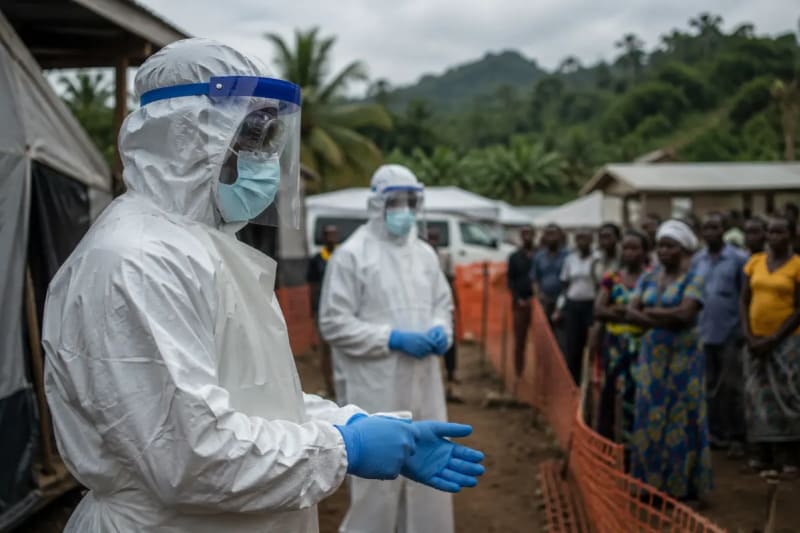
Nigeria’s ability to detect and respond to deadly disease outbreaks is under severe threat due to a deepening funding crisis at the Nigeria Centre for Disease Control (NCDC), lawmakers in the House of Representatives have warned. In a rare bipartisan alert, legislators described the agency’s financial constraints as a national security risk, particularly as regional Ebola activity raises concerns of cross border transmission. The funding shortfall, they say, has already weakened laboratory networks, surveillance systems, and emergency response teams, critical infrastructure needed to prevent localized outbreaks from spiraling into public health emergencies. The warning comes at a time when West Africa remains vulnerable to zoonotic spillover and re emerging pathogens. While Nigeria has not reported an Ebola case since 2014, the country’s porous borders, high population density, and frequent international travel create persistent risks. Public health experts say the NCDC’s financial instability could delay detection, hamper contact tracing, and leave communities exposed to preventable suffering, echoing the vulnerabilities that allowed previous outbreaks to spread unchecked.
What Happened
The House of Representatives issued a formal alert this week highlighting a critical funding gap at the Nigeria Centre for Disease Control. Lawmakers described the situation as a "crippling crisis" that has left the agency unable to maintain essential disease surveillance, laboratory testing, and rapid response capabilities. While the NCDC has not publicly disclosed exact budget shortfalls, legislators warned that operational delays and staffing shortages are already visible across key programs.
The timing of the warning is particularly concerning. The Democratic Republic of Congo continues to battle an active Ebola outbreak, with cases reported near its eastern border, less than 1,000 kilometers from Nigeria. Although no cases have been detected in Nigeria since the 2014, 2016 West Africa epidemic, the country remains classified as high risk by the World Health Organization due to its large population, extensive trade routes, and history of cross border transmission.
Why Public Health Officials Are Concerned
The NCDC serves as Nigeria’s frontline defense against infectious disease threats. Its responsibilities include monitoring outbreaks, coordinating laboratory testing, training healthcare workers, and deploying rapid response teams to contain emerging pathogens. Chronic underfunding, however, has forced the agency to scale back critical activities.
Public health experts warn that reduced surveillance capacity increases the risk of delayed detection, allowing outbreaks to spread before containment measures can be implemented. During the 2014 Ebola outbreak, Nigeria’s swift response, led by the NCDC and supported by international partners, successfully contained the virus to 20 cases and 8 deaths. That success was attributed to robust contact tracing, isolation protocols, and public communication, all of which now face potential disruption due to financial constraints.
Beyond Ebola, the NCDC plays a vital role in managing endemic diseases such as Lassa fever, cholera, and meningitis, which claim thousands of lives annually. Weakened surveillance could also undermine Nigeria’s ability to detect novel pathogens, including potential pandemic threats.
Who May Be Affected
The funding crisis does not only threaten Nigeria’s borders. The country is a major travel hub for West and Central Africa, with millions of passengers transiting through Lagos, Abuja, and Kano airports each year. A single undetected case of Ebola or another high consequence pathogen could trigger regional or global spread, particularly if initial containment efforts are delayed.
Within Nigeria, the most vulnerable populations include healthcare workers, border communities, and urban slums where sanitation and healthcare access are limited. Children, the elderly, and immunocompromised individuals are at heightened risk of severe outcomes if outbreaks occur.
Government Response
The House of Representatives has called for an emergency budget review to restore NCDC funding and has urged the Ministry of Health to prioritize epidemic preparedness in national planning. Lawmakers also recommended strengthening partnerships with international organizations such as the World Health Organization, Africa Centres for Disease Control and Prevention, and the World Bank to bridge immediate gaps.
In a statement, the House Committee on Health Institutions emphasized that "disease threats do not respect borders" and called for a whole of government approach to pandemic preparedness. However, no concrete funding commitments have been announced as of this report.
Prevention and Safety Guidance
While the NCDC’s capacity is under strain, individuals and communities can take steps to reduce risk:
- Stay informed: Follow updates from the NCDC and WHO on disease outbreaks in the region.
- Practice hygiene: Regular handwashing with soap and water, especially after contact with animals or sick individuals, can reduce transmission of many pathogens.
- Report symptoms: Fever, unexplained bleeding, severe headache, or vomiting should be reported to healthcare providers immediately, particularly if there is a history of travel to outbreak zones.
- Support healthcare workers: Frontline staff are at highest risk during outbreaks. Ensuring they have access to protective equipment and training is critical to community safety.
- Advocate for preparedness: Community leaders and civil society groups can push for increased investment in public health infrastructure and emergency response systems.
What Readers Should Know
Nigeria’s funding crisis at the NCDC is not an isolated issue. Across Africa, public health agencies face similar financial pressures, often competing with other national priorities. However, the consequences of underfunding disease surveillance are immediate and measurable, delayed detection, higher mortality, and greater economic disruption when outbreaks occur.
The situation serves as a reminder that pandemic preparedness is not a one time investment but an ongoing necessity. As global travel and climate change increase the risk of zoonotic spillover, countries with strong public health systems will be better positioned to protect lives and livelihoods. For Nigeria, restoring and sustaining NCDC funding is not just a health priority, it is a matter of national security.
Key Takeaways
- Nigeria’s NCDC is facing a severe funding crisis that threatens its ability to detect and respond to Ebola and other epidemic prone diseases.
- Lawmakers warn that weakened surveillance and response capacity could lead to delayed outbreak detection, increasing the risk of regional or global spread.
- The funding shortfall affects critical functions including laboratory testing, contact tracing, and healthcare worker training, key tools that helped Nigeria contain Ebola in 2014.
- Communities can reduce risk by practicing hygiene, reporting symptoms early, and advocating for stronger public health investment.
- Without urgent action, Nigeria’s vulnerability to infectious disease threats could undermine both national and regional health security.
Frequently Asked Questions
What is the NCDC and why does it matter?
The Nigeria Centre for Disease Control is the national public health agency responsible for preventing, detecting, and responding to infectious disease outbreaks. It coordinates surveillance, laboratory testing, and emergency response across the country. Its work is essential for protecting Nigerians from epidemics and ensuring global health security.
Has Nigeria had Ebola before?
Yes. Nigeria experienced an Ebola outbreak in 2014, when a traveler from Liberia introduced the virus. The country successfully contained the outbreak to 20 cases and 8 deaths, thanks to rapid response efforts led by the NCDC and supported by international partners. This success is now at risk due to funding constraints.
What are the signs of Ebola?
Early symptoms of Ebola include sudden fever, fatigue, muscle pain, headache, and sore throat. As the disease progresses, it can cause vomiting, diarrhea, rash, impaired kidney and liver function, and in some cases, internal and external bleeding. Anyone experiencing these symptoms, especially after travel to affected areas, should seek medical attention immediately.
How can Nigeria improve its disease preparedness?
Improving disease preparedness requires sustained investment in public health infrastructure, including laboratory networks, surveillance systems, and healthcare worker training. Strengthening cross border collaboration, increasing domestic funding, and building community trust are also critical. International partnerships can provide technical and financial support, but long term solutions must be locally driven.
What can individuals do to stay safe?
Individuals can reduce their risk by practicing good hygiene, such as frequent handwashing with soap and water, avoiding contact with sick individuals or animals, and reporting symptoms like fever or unexplained bleeding to healthcare providers. Staying informed through reliable sources like the NCDC and WHO is also important for early awareness of outbreaks.
Medical Review: MedSense Editorial Board











DISCUSSION (0)
POST A COMMENT