
What Happened
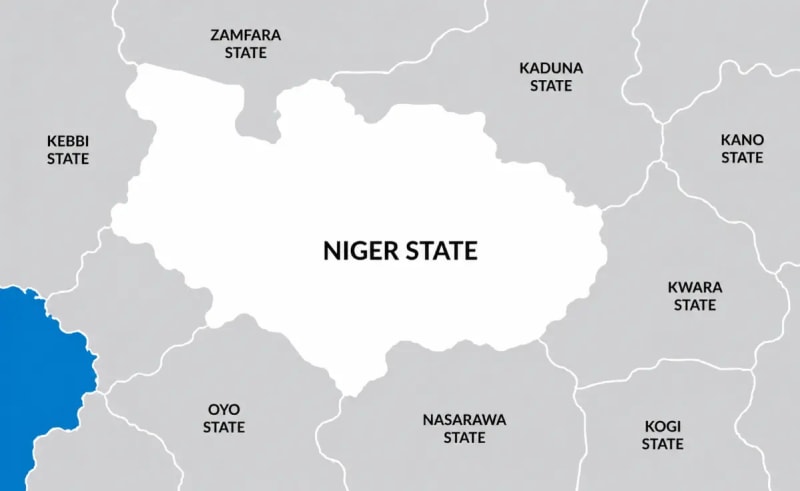
The Nigeria Centre for Disease Control has reported a sharp rise in cholera cases, with 5,260 confirmed infections and 67 deaths recorded across 128 local government areas. The outbreak has now reached 33 of Nigeria’s 36 states, as well as the Federal Capital Territory. While cholera is endemic in many parts of the country, the current surge has alarmed health authorities due to its rapid spread and the high number of severe cases among young children.
Why Public Health Officials Are Concerned
Cholera is a preventable and treatable disease, yet it remains a leading cause of morbidity and mortality in regions with inadequate water and sanitation infrastructure. The current outbreak is particularly concerning for several reasons:
- High fatality rate among children: Young children are more susceptible to severe dehydration, a common and deadly complication of cholera. Their smaller body size means they can lose a critical percentage of fluids much faster than adults.
- Rapid transmission: The disease spreads through contaminated water and food, making crowded communities and areas with poor waste management especially vulnerable. Seasonal flooding has further accelerated transmission by contaminating water sources.
- Strained healthcare systems: Many affected regions lack sufficient healthcare facilities to manage large numbers of cholera cases. Overcrowded clinics and limited access to oral rehydration therapy or intravenous fluids increase the risk of preventable deaths.
Symptoms or Risk Factors
Cholera typically presents with sudden onset of profuse watery diarrhea, often accompanied by vomiting. In severe cases, it can lead to rapid dehydration, characterized by:
- Dry mouth and extreme thirst
- Low blood pressure and rapid heart rate
- Muscle cramps and weakness
- Sunken eyes and reduced urine output
Without prompt treatment, severe dehydration can lead to shock and death within hours. Children, the elderly, and individuals with weakened immune systems are at the highest risk of severe outcomes.
Who May Be Affected
The outbreak has disproportionately impacted children under five, who account for a significant portion of cases and deaths. Other high risk groups include:
- Residents of densely populated urban slums with poor sanitation
- Communities affected by flooding or displacement
- Individuals with limited access to clean drinking water
- Healthcare workers and caregivers in outbreak zones
Government or WHO Response
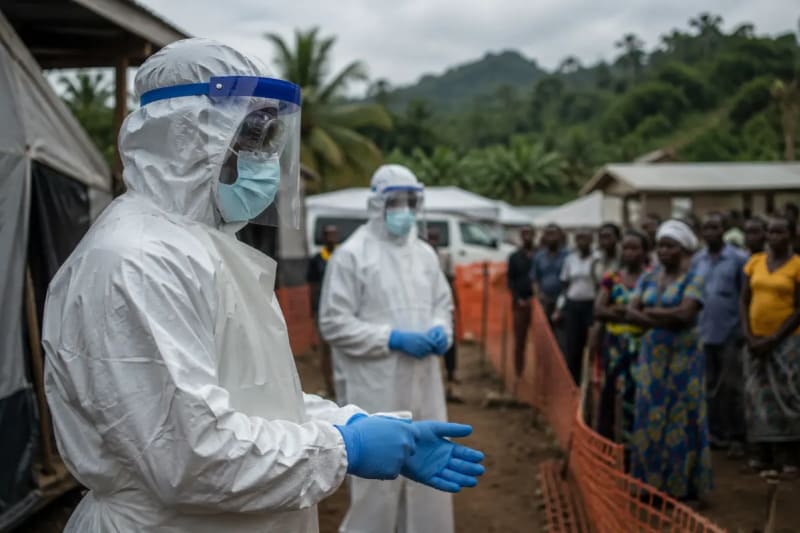
The Nigeria Centre for Disease Control has activated its national cholera emergency operations center to coordinate response efforts. Measures include:
- Distribution of cholera treatment kits to affected states
- Deployment of rapid response teams to hotspot areas
- Public awareness campaigns on hygiene and water treatment
- Collaboration with international partners, including the World Health Organization and UNICEF, to bolster surveillance and response capacity
The WHO has also issued alerts to neighboring countries to strengthen cross border surveillance and preparedness.
Prevention and Safety Guidance
Cholera prevention hinges on improving water, sanitation, and hygiene practices. Key steps individuals and communities can take include:
- Water safety: Drink only boiled, bottled, or chemically treated water. Avoid ice made from untreated water.
- Food hygiene: Eat thoroughly cooked food and avoid raw or undercooked seafood, fruits, and vegetables unless peeled or washed in safe water.
- Handwashing: Wash hands with soap and clean water before eating, after using the toilet, and before preparing food.
- Sanitation: Use proper latrines or toilets and ensure waste is disposed of safely to prevent contamination of water sources.
- Vaccination: Oral cholera vaccines are available and may be recommended in high risk areas. Consult local health authorities for guidance.
What Readers Should Know
Cholera is a preventable disease, but its spread is often a symptom of deeper systemic issues, such as inadequate infrastructure and poverty. While immediate response efforts are critical, long term solutions require investment in clean water access, sanitation, and public health education. For now, vigilance and adherence to hygiene practices are the best defenses against the outbreak.
If you or someone in your community develops symptoms of cholera, seek medical attention immediately. Early treatment with oral rehydration salts or intravenous fluids can save lives.
Key Takeaways
- Nigeria is experiencing a severe cholera outbreak with 5,260 cases and 67 deaths, primarily affecting children under five.
- Cholera spreads through contaminated water and food, with flooding and poor sanitation accelerating transmission.
- Symptoms include severe diarrhea and vomiting, which can lead to rapid dehydration and death if untreated.
- Prevention focuses on safe water, food hygiene, handwashing, and sanitation. Vaccination may also be recommended in high risk areas.
- The Nigeria Centre for Disease Control and international partners are coordinating response efforts, but long term solutions require systemic improvements in water and sanitation infrastructure.
Frequently Asked Questions
What is cholera, and how does it spread?
Cholera is an acute diarrheal disease caused by the bacterium Vibrio cholerae. It spreads through contaminated water or food, particularly in areas with poor sanitation and hygiene. Flooding and inadequate waste management can worsen outbreaks by contaminating water sources.
Why are children under five more vulnerable to cholera?
Young children are more susceptible to severe dehydration because their smaller bodies lose fluids faster than adults. They are also more likely to be exposed to contaminated water or food due to limited hygiene awareness and higher vulnerability to environmental risks.
What should I do if I suspect someone has cholera?
Seek medical attention immediately. Cholera can be fatal within hours if untreated. While waiting for care, provide oral rehydration salts or a homemade solution of clean water, sugar, and salt to prevent dehydration. Avoid giving food or fluids that could worsen diarrhea.
How can I protect myself and my family from cholera?
Drink only safe water (boiled, bottled, or treated), eat thoroughly cooked food, wash hands frequently with soap, and use proper sanitation facilities. In high risk areas, consider cholera vaccination if recommended by health authorities.
Is there a vaccine for cholera?
Yes, oral cholera vaccines are available and have been used in outbreak responses. However, vaccination should be part of a broader strategy that includes improved water, sanitation, and hygiene practices. Consult local health authorities for guidance on vaccine availability.
Medical Review: MedSense Editorial Board







DISCUSSION (0)
POST A COMMENT