
What Happened
The Joint Health Sector Unions, known as JOHESU, has issued a formal warning of a nationwide strike if the Nigerian federal government does not implement the agreed upon adjustment to the Consolidated Health Salary Structure. The union, which represents over 80% of Nigeria’s non physician health workforce, including nurses, laboratory scientists, pharmacists, and allied health professionals, says the delay in salary reforms has reached a breaking point. In a statement to journalists, JOHESU National Chairman Kabiru Minjibir emphasized that the union has exhausted all diplomatic channels and is now prepared to take industrial action to press its demands.
The salary structure in question, known as CONHESS, was designed to standardize and improve compensation for health workers outside the medical doctor cadre. While doctors operate under a separate salary scale, CONHESS covers a broad spectrum of critical roles that keep hospitals and clinics running. The current dispute traces back to a 2021 agreement that promised a review to address wage disparities and inflationary pressures, but implementation has been repeatedly postponed, leaving workers with stagnant salaries in an economy where the cost of living has surged by over 30% in the past two years.
Why Public Health Officials Are Concerned
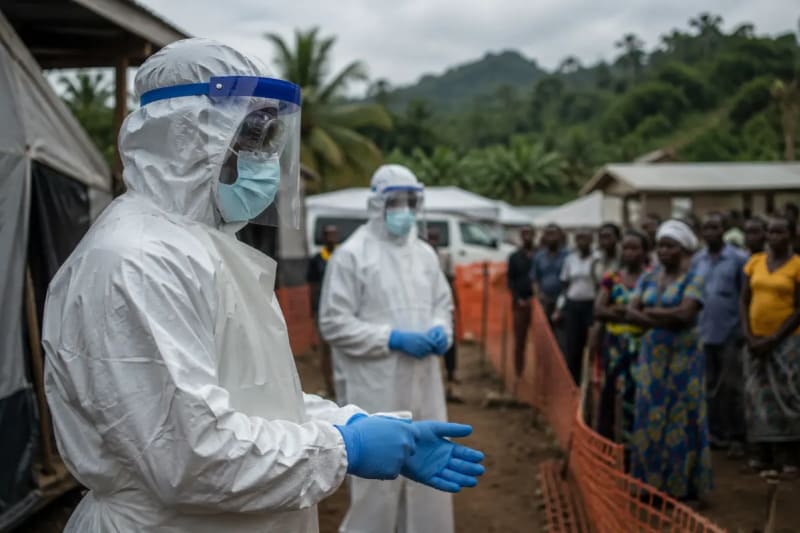
A strike by JOHESU members would have immediate and severe consequences for Nigeria’s already fragile healthcare system. Hospitals rely heavily on the professionals represented by the union, nurses manage patient care, laboratory scientists conduct diagnostic tests, pharmacists dispense medications, and radiographers perform imaging studies. Without these workers, routine services would grind to a halt, and emergency care would be severely compromised. Public health officials warn that even a short term disruption could lead to preventable deaths, particularly among vulnerable groups such as pregnant women, children under five, and patients with chronic illnesses like diabetes and hypertension.
The timing of the threat is particularly concerning. Nigeria is currently battling a resurgence of infectious diseases, including Lassa fever and cholera, while also facing a growing burden of non communicable diseases. A strike would divert already limited resources away from disease surveillance, vaccination campaigns, and maternal health programs. Additionally, the country’s primary healthcare centers, which serve as the first point of contact for millions of Nigerians, would be among the hardest hit, further widening the gap in healthcare access between urban and rural populations.
Who May Be Affected
The impact of a potential strike would extend far beyond the health workers themselves. Patients across Nigeria, particularly those in public hospitals and primary care facilities, would bear the brunt of the disruption. Key groups at risk include:
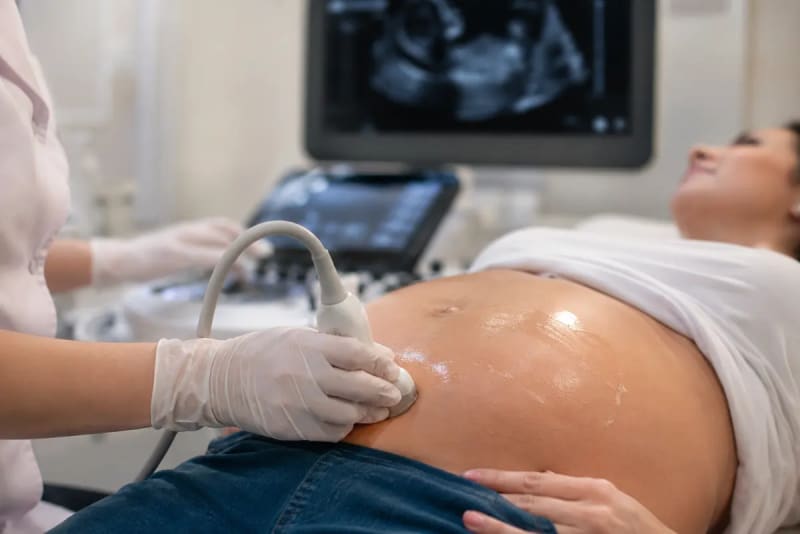
- Maternal and child health patients: Pregnant women requiring antenatal care, deliveries, and postnatal services could face delays or cancellations, increasing the risk of complications. Nigeria already has one of the highest maternal mortality rates in the world, with 512 deaths per 100,000 live births.
- Chronic disease patients: Individuals with conditions such as HIV, tuberculosis, diabetes, and hypertension rely on regular medication and monitoring. Interruptions in care could lead to disease progression, drug resistance, or acute medical emergencies.
- Emergency and trauma patients: Hospitals would struggle to maintain emergency services, including surgeries, trauma care, and critical care units. This could be catastrophic in cases of road traffic accidents, obstetric emergencies, or acute infections.
- Rural and underserved communities: Primary healthcare centers, which are often staffed by JOHESU members, serve as the backbone of healthcare delivery in remote areas. A strike would leave these communities without access to basic services, including immunizations, family planning, and treatment for common illnesses.
- Healthcare students and trainees: Teaching hospitals, where medical and allied health students receive practical training, would see disruptions in education and clinical rotations, potentially delaying the graduation of future health professionals.
Government Response and Union Demands
The Nigerian federal government has not issued an official statement in response to JOHESU’s latest warning, but previous negotiations have followed a familiar pattern. Government representatives have acknowledged the validity of the union’s concerns but cited budgetary constraints and competing priorities as reasons for the delay. In 2023, the government allocated approximately 5.75% of the national budget to health, falling short of the 15% target set by the Abuja Declaration, which Nigeria signed in 2001.
JOHESU’s demands are clear: full implementation of the 2021 salary adjustment, payment of outstanding arrears, and a commitment to regular reviews of the CONHESS scale to keep pace with inflation. The union has also called for improved working conditions, including better staffing ratios, access to personal protective equipment, and investment in hospital infrastructure. In his statement, Minjibir accused the government of prioritizing political expenditures over the welfare of health workers, noting that the current salary structure does not reflect the critical role these professionals play in national health security.
Prevention and Safety Guidance
While the dispute remains unresolved, patients and healthcare providers can take steps to mitigate the potential impact of a strike:
- For patients:
- Stock up on essential medications: Patients with chronic conditions should ensure they have an adequate supply of prescription drugs to last at least two weeks. Consult your pharmacist or doctor about obtaining refills in advance.
- Identify alternative care options: Locate nearby private clinics or hospitals that may remain operational during a strike. However, be aware that costs at private facilities are typically higher, and services may be limited.
- Postpone non urgent procedures: If you have scheduled elective surgeries or routine appointments, contact your healthcare provider to discuss rescheduling. Prioritize urgent and emergency care.
- Monitor official announcements: Follow updates from the Federal Ministry of Health, state health ministries, and reputable news sources for information on strike timelines and affected services.
- For healthcare providers:
- Prepare emergency protocols: Hospitals should review and update contingency plans for strike scenarios, including prioritizing critical services, reallocating staff, and ensuring the availability of essential supplies.
- Communicate with patients: Proactively inform patients about potential disruptions and provide guidance on accessing care during a strike. Use SMS, social media, and hospital websites to disseminate information.
- Engage in dialogue: Hospital administrators and professional associations should continue engaging with union leaders and government representatives to seek a resolution before industrial action begins.
What Readers Should Know
This dispute is not an isolated incident but part of a broader crisis in Nigeria’s healthcare system. The country loses an estimated 9,000 health professionals annually to emigration, driven by poor remuneration, inadequate working conditions, and lack of career advancement opportunities. The current salary structure, which has not been significantly adjusted since 2017, has left many health workers struggling to make ends meet. For context, a mid level nurse in Nigeria earns approximately 80,000 to 120,000 naira per month (about $50 to $75 at current exchange rates), while the same professional could earn 10 to 20 times that amount in countries like the United Kingdom, Canada, or Saudi Arabia.
The threat of a strike also highlights the urgent need for systemic reforms in Nigeria’s health sector. Experts have long called for increased budgetary allocation to health, improved infrastructure, and policies to retain skilled workers. Without these changes, the country risks further deterioration of its healthcare system, with dire consequences for public health outcomes. For now, patients and providers alike are left in a state of uncertainty, hoping for a resolution that addresses the legitimate concerns of health workers while safeguarding the health of the nation.
Key Takeaways
- Nigeria’s Joint Health Sector Unions have threatened a nationwide strike over the federal government’s failure to implement the agreed upon adjustment to the Consolidated Health Salary Structure, which could disrupt essential healthcare services.
- A strike would disproportionately affect vulnerable groups, including maternal and child health patients, chronic disease patients, and those in rural and underserved communities, potentially leading to preventable deaths and complications.
- The dispute reflects broader systemic issues in Nigeria’s healthcare system, including brain drain, underfunding, and poor working conditions, which have contributed to an annual exodus of thousands of health professionals.
- Patients are advised to stock up on essential medications, identify alternative care options, and postpone non urgent procedures, while healthcare providers should prepare emergency protocols and communicate proactively with patients.
- Resolution of the crisis requires not only immediate implementation of salary adjustments but also long term reforms to improve healthcare funding, infrastructure, and workforce retention in Nigeria.
Frequently Asked Questions
What is the Consolidated Health Salary Structure (CONHESS)?
CONHESS is the salary scale used to compensate non physician health workers in Nigeria, including nurses, pharmacists, laboratory scientists, and allied health professionals. It was introduced to standardize pay across the health sector but has not been significantly adjusted since 2017, leading to disputes over wage stagnation and inflation erosion.
Why are health workers threatening to strike?
Health workers are threatening industrial action because the federal government has failed to implement a 2021 agreement to adjust the CONHESS salary scale. The delay has left workers with salaries that do not reflect current economic realities, including high inflation and rising living costs. Union leaders argue that the government’s inaction undermines their welfare and the sustainability of the healthcare system.
How would a strike affect patients?
A strike by JOHESU members would disrupt a wide range of healthcare services, including nursing care, diagnostic testing, medication dispensing, and emergency services. Patients could face canceled appointments, delayed surgeries, and reduced access to essential treatments, particularly in public hospitals and primary healthcare centers. Vulnerable groups, such as pregnant women, children, and chronic disease patients, would be at heightened risk.
What is the government’s position on the salary dispute?
The federal government has not issued a formal response to the latest strike threat, but previous statements have acknowledged the union’s concerns while citing budgetary constraints as a barrier to implementation. Nigeria’s health budget remains below the 15% target set by the Abuja Declaration, limiting the government’s ability to address salary adjustments and other systemic issues in the health sector.
What can patients do to prepare for a potential strike?
Patients should take proactive steps to minimize disruption, such as stocking up on essential medications, identifying alternative care options (e.g., private clinics), and postponing non urgent procedures. It is also important to stay informed by monitoring updates from official health authorities and reputable news sources.
How does this dispute relate to Nigeria’s broader healthcare challenges?
The salary dispute is symptomatic of deeper issues in Nigeria’s healthcare system, including chronic underfunding, poor working conditions, and a severe brain drain. Thousands of health professionals emigrate annually in search of better pay and opportunities abroad, weakening the country’s ability to deliver quality care. Without systemic reforms, including increased budgetary allocation to health and policies to retain skilled workers, Nigeria’s healthcare system will continue to face crises like this one.
Medical Review: MedSense Editorial Board











DISCUSSION (0)
POST A COMMENT