
Nigeria’s healthcare system faces a silent crisis, one that doesn’t make headlines but shapes every patient’s outcome. Reliable electricity, a basic necessity for modern medicine, remains out of reach for many hospitals and clinics across the country. Now, the government is making a direct appeal to investors, urging them to step in where public funding falls short. Speaking in Abuja this week, Power Minister Joseph Tegbe called for sustainable financing models to electrify healthcare facilities, framing the issue not just as an infrastructure challenge but as a public health imperative. Without consistent power, life saving equipment sits idle, vaccines spoil, and emergency surgeries are conducted under the glow of mobile phone lights. The question now is whether investors will answer the call, and what it means for millions of Nigerians who depend on these facilities for care.
What Happened
Nigeria’s Minister of Power, Joseph Tegbe, has issued a formal appeal to local and international investors, urging them to adopt sustainable financing models to electrify the country’s healthcare facilities. The announcement was made during a recent event in Abuja, where Tegbe emphasized the critical role of reliable electricity in delivering quality medical services. The Ministry of Power, through its Deputy Director of Press and Public Relations Clement Ezeorah, framed the initiative as a necessary step to bridge the gap between Nigeria’s healthcare needs and its current infrastructure limitations.
Why Public Health Officials Are Concerned
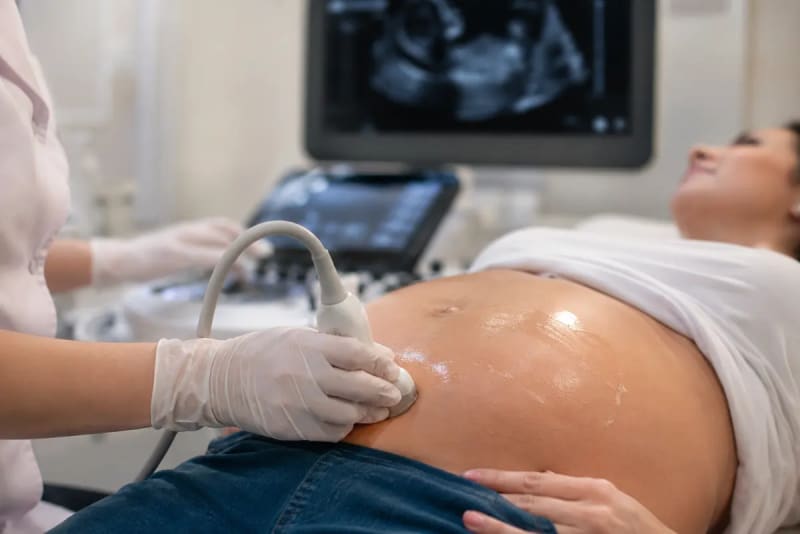
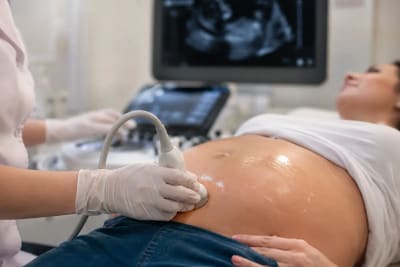
Healthcare facilities without consistent electricity operate at a severe disadvantage. In Nigeria, where power outages are frequent and grid reliability is uneven, hospitals and clinics often rely on diesel generators, a costly and environmentally harmful solution. The consequences are far reaching. Vaccines requiring refrigeration may spoil, diagnostic equipment like X ray machines and ultrasound devices become unusable, and emergency procedures are delayed or compromised. The World Health Organization has repeatedly highlighted the link between reliable electricity and healthcare outcomes, particularly in low and middle income countries. For Nigeria, addressing this gap is not just about infrastructure; it’s about saving lives and reducing preventable deaths.
Who May Be Affected
The impact of unreliable power extends beyond urban hospitals to rural health centers, where access to electricity is even more limited. Patients in these areas, particularly women, children, and the elderly, are disproportionately affected. Maternal health services, for example, rely heavily on electricity for lighting during deliveries, operating incubators for newborns, and powering sterilization equipment. Without it, the risk of complications and infections rises. Additionally, healthcare workers in under electrified facilities face increased stress and reduced efficiency, further straining an already overburdened system.
Government Response and Investor Appeal
The Nigerian government has acknowledged the urgency of the situation but lacks the public funds to address it alone. Tegbe’s appeal to investors signals a shift toward public private partnerships, with an emphasis on sustainability. Potential models include solar powered microgrids, energy efficient infrastructure upgrades, and long term financing agreements that align investor returns with measurable health outcomes. The Ministry of Power has not yet released specific details on incentives or regulatory frameworks to attract investment, but the call itself marks a recognition that traditional funding mechanisms are insufficient.
Prevention and Safety Guidance
While the government and investors work toward long term solutions, healthcare facilities and patients can take immediate steps to mitigate risks. Hospitals in areas with unreliable power should prioritize the following:
- Backup Power Systems: Invest in high quality generators or battery storage systems to ensure continuity of critical services during outages.
- Energy Efficient Equipment: Adopt medical devices and lighting systems designed for low power consumption to reduce dependency on the grid.
- Solar Power Integration: Where feasible, install solar panels to supplement energy needs, particularly for refrigeration and lighting.
- Staff Training: Ensure healthcare workers are trained to manage power outages safely, including protocols for preserving vaccines, operating backup systems, and prioritizing emergency care.
What Readers Should Know
For Nigerians, the success of this initiative could mean the difference between a healthcare system that functions and one that fails under pressure. While the government’s appeal to investors is a positive step, progress will depend on transparency, accountability, and a clear plan for implementation. Patients and advocacy groups should monitor developments and demand updates on how funds are being allocated. For the international community, this is an opportunity to support a project with tangible public health benefits, one that aligns with global goals for universal health coverage and sustainable development. The stakes are high, but so is the potential for transformative change.
Key Takeaways
- Nigeria’s healthcare system suffers from unreliable electricity, compromising patient care and medical services.
- The Power Minister has called for sustainable financing models to electrify healthcare facilities, appealing to local and international investors.
- Rural health centers and vulnerable populations, including women and children, are most affected by power shortages.
- Immediate solutions include backup power systems, energy efficient equipment, and solar integration for healthcare facilities.
- Long term success depends on investor engagement, government transparency, and a clear plan for implementation.
Frequently Asked Questions
Why is reliable electricity important for healthcare facilities?
Reliable electricity is essential for powering medical equipment, preserving vaccines and medications, providing lighting for surgeries and emergencies, and ensuring the overall functionality of healthcare services. Without it, patient care is compromised, and preventable deaths may occur.
What are sustainable financing models for electrifying healthcare facilities?
Sustainable financing models include public private partnerships, long term investment agreements, and funding mechanisms that prioritize renewable energy sources like solar power. These models aim to reduce costs, improve efficiency, and ensure long term viability.
How can healthcare facilities in Nigeria prepare for power outages?
Facilities can invest in backup power systems such as generators or battery storage, adopt energy efficient equipment, integrate solar power where possible, and train staff to manage outages safely. These measures help maintain critical services during power disruptions.
What role can international investors play in this initiative?
International investors can provide funding, technical expertise, and sustainable energy solutions to electrify healthcare facilities. Their involvement can accelerate progress, improve infrastructure, and contribute to better health outcomes in Nigeria.
Medical Review: MedSense Editorial Board
















DISCUSSION (0)
POST A COMMENT