
Nigeria is taking a decisive step to strengthen its healthcare system by ensuring reliable electricity for thousands of medical facilities. The Federal Government has unveiled plans to power 35,000 healthcare centers across the country using renewable energy sources, a move designed to curb the estimated $2 billion lost annually to medical tourism. For a nation where power outages can mean the difference between life and death, this initiative could transform patient care and restore confidence in local health services. The decision comes as Nigeria grapples with persistent energy challenges that have long hindered healthcare delivery. Hospitals and clinics, particularly in rural areas, often rely on diesel generators, which are costly, polluting, and prone to failure. By shifting to solar and other renewable sources, the government aims to create a more resilient infrastructure that can support critical medical equipment, refrigeration for vaccines, and consistent lighting for emergency procedures.
What Happened
The Nigerian Federal Government has announced a major renewable energy initiative targeting 35,000 healthcare facilities nationwide. The project aims to provide stable, sustainable electricity to hospitals, clinics, and primary care centers, many of which currently operate with unreliable grid power or expensive diesel generators. Officials state this effort is part of a broader strategy to reduce the country’s heavy reliance on medical tourism, which drains an estimated $2 billion from the economy each year.
Why Public Health Officials Are Concerned
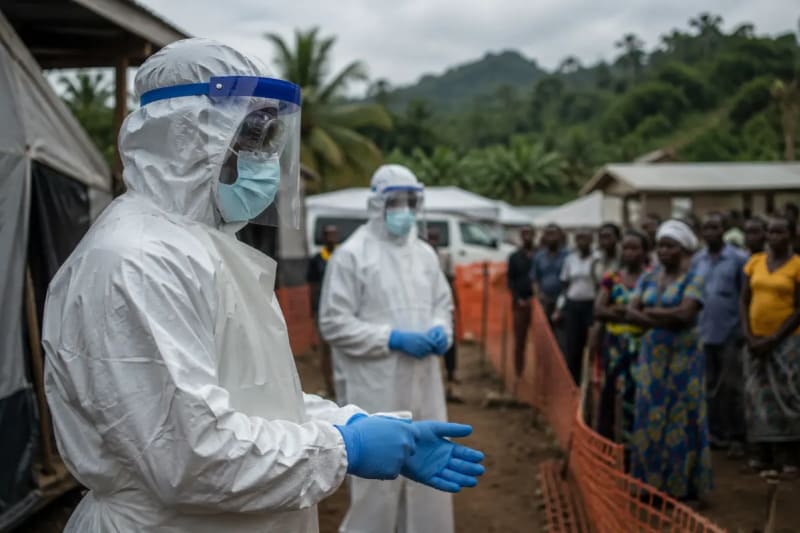
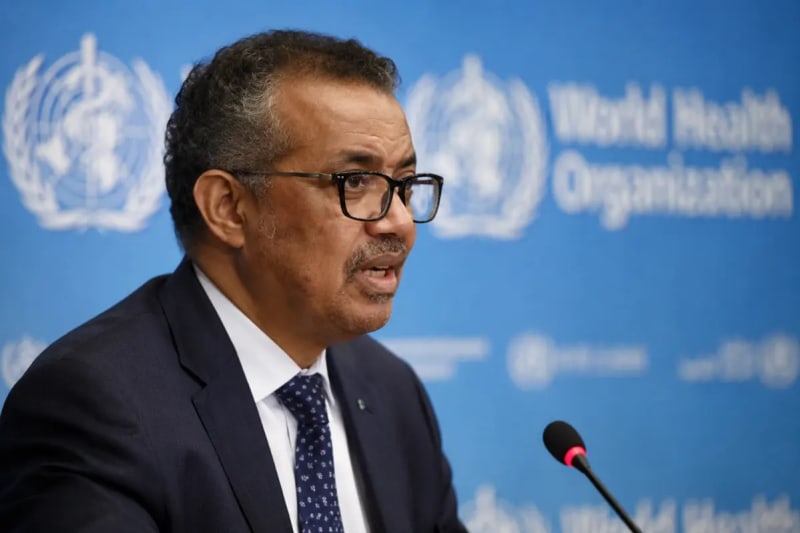
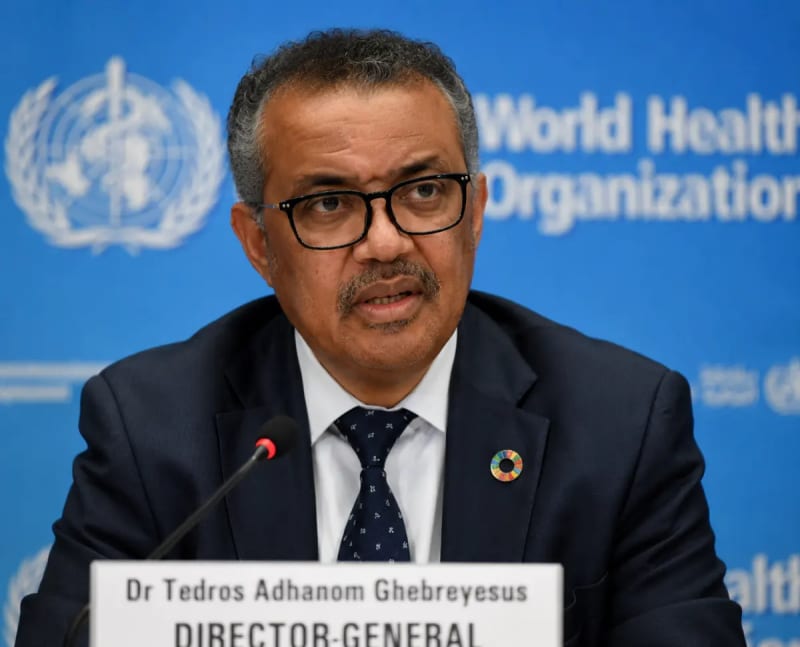
Unreliable electricity remains one of the most critical barriers to effective healthcare in Nigeria. Power interruptions disrupt surgeries, damage sensitive medical equipment, and compromise the storage of vaccines and medications. The World Health Organization has repeatedly flagged energy poverty as a key factor in weak health outcomes across sub Saharan Africa. Without consistent power, even well trained medical staff and essential supplies cannot deliver optimal care, leading patients to seek treatment abroad when possible.
Who May Be Affected
This initiative will directly impact millions of Nigerians, particularly those in underserved rural and peri urban communities. Healthcare workers will benefit from improved working conditions and reduced operational costs, while patients can expect more reliable services, including emergency care, maternal health, and chronic disease management. The plan also targets facilities that serve as vaccination hubs, which is crucial for maintaining immunization programs against diseases like polio, measles, and yellow fever.
Government Response and Implementation
The Federal Ministry of Health, in collaboration with the Ministry of Power and renewable energy partners, will oversee the rollout. While specific timelines and funding details remain under discussion, the government has indicated that solar microgrids and standalone systems will be prioritized for facilities in off grid or weak grid areas. International development agencies, including the World Bank and African Development Bank, have expressed interest in supporting similar health infrastructure projects across the continent.
Prevention and Safety Guidance
For healthcare administrators, the transition to renewable energy requires careful planning. Facilities should conduct energy audits to determine power needs, invest in battery storage for nighttime use, and train staff on system maintenance. Patients and communities are encouraged to engage with local health centers to understand how improved power access may enhance service availability, especially for emergency and maternal care.
What Readers Should Know
This initiative represents more than an energy upgrade, it is a public health intervention with the potential to save lives. Reliable electricity enables the use of life saving devices like incubators, ventilators, and diagnostic machines. It also supports digital health records and telemedicine, which are increasingly vital in remote areas. While challenges remain, including funding and logistical hurdles, the shift toward renewable energy in healthcare marks a significant step toward self sufficiency and improved health outcomes for Nigerians.
Key Takeaways
- Nigeria plans to power 35,000 healthcare facilities with renewable energy to reduce $2 billion in annual losses from medical tourism.
- Unreliable electricity disrupts surgeries, damages medical equipment, and compromises vaccine storage, undermining patient care.
- The initiative targets rural and underserved communities, improving emergency care, maternal health, and vaccination programs.
- Solar microgrids and standalone systems will be prioritized for off grid or weak grid facilities, with potential support from international agencies.
- Reliable power in healthcare can enable life saving technologies, digital records, and telemedicine, enhancing overall health system resilience.
Frequently Asked Questions
Why is Nigeria focusing on renewable energy for healthcare facilities?
Nigeria is prioritizing renewable energy to address chronic power shortages that disrupt medical services. Solar and other renewables offer a sustainable, cost effective solution that reduces reliance on diesel generators and improves healthcare reliability, especially in rural areas.
How will this initiative reduce medical tourism?
By ensuring stable electricity, healthcare facilities can operate critical equipment, maintain vaccine storage, and provide consistent care. This builds trust in local health services, reducing the need for patients to seek treatment abroad and keeping healthcare spending within the country.
Which healthcare facilities will benefit from this plan?
The initiative targets 35,000 facilities, including hospitals, primary care clinics, and vaccination centers, with a focus on those in off grid or weak grid areas where power outages are most frequent.
What are the challenges in implementing this plan?
Key challenges include securing funding, ensuring timely installation of renewable energy systems, and training staff to maintain the new infrastructure. Logistical hurdles in remote areas may also slow progress, but international partnerships could help overcome these barriers.
How can communities prepare for this change?
Communities should engage with local health centers to understand how improved power access will enhance services. Healthcare workers can prepare by learning about energy efficient practices and system maintenance, while patients can expect more reliable care, particularly for emergencies and maternal health.
Medical Review: MedSense Editorial Board














DISCUSSION (0)
POST A COMMENT