
Nigeria has moved closer to a historic milestone in its battle against malaria after the Senate passed a bill to establish the National Agency for Malaria Elimination. The legislation, now awaiting presidential assent, aims to centralize and amplify efforts to eradicate a disease that claims thousands of lives annually, particularly among children under five and pregnant women. With malaria remaining a leading cause of death in the country, public health experts say the new agency could provide the strategic focus needed to accelerate progress toward elimination. The decision comes as global funding for malaria control faces uncertainty, making domestic leadership more critical than ever.
What Happened
The Nigerian Senate approved the bill for the third and final reading, clearing the way for the creation of a specialized agency dedicated solely to malaria elimination. The proposed National Agency for Malaria Elimination would consolidate existing programs under a single authority, streamlining coordination, funding, and implementation of anti malaria initiatives. The bill now awaits the signature of President Bola Tinubu to become law.
Why Public Health Officials Are Concerned
Malaria remains one of Nigeria’s most persistent public health challenges. According to the World Health Organization, the country accounted for nearly a quarter of global malaria cases and deaths in 2022, with an estimated 68 million cases and 194,000 fatalities. Children under five bear the heaviest burden, representing more than 80% of malaria related deaths. The disease also strains healthcare systems, reduces productivity, and deepens poverty in affected communities. While Nigeria has made progress with interventions like insecticide treated nets and artemisinin based combination therapy, fragmented efforts and funding gaps have hindered large scale impact.
Who May Be Affected
The new agency’s work will directly impact millions of Nigerians, particularly in rural and underserved regions where malaria transmission is highest. Vulnerable groups include:
- Children under five, who are most susceptible to severe malaria and death.
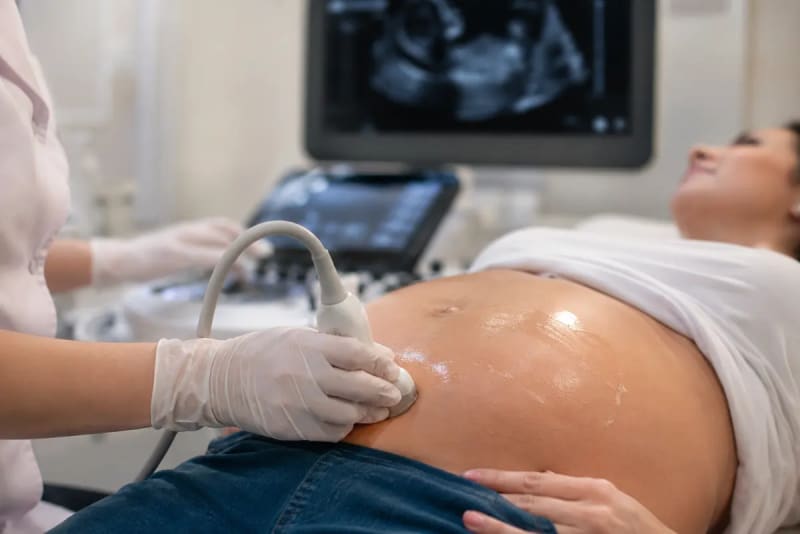
- Pregnant women, whose risk of complications, including maternal mortality and low birth weight, increases with malaria infection.
- Low income families, who often lack access to preventive measures and timely treatment.
- Healthcare workers, who face overwhelming caseloads in malaria endemic areas.
Government and WHO Response
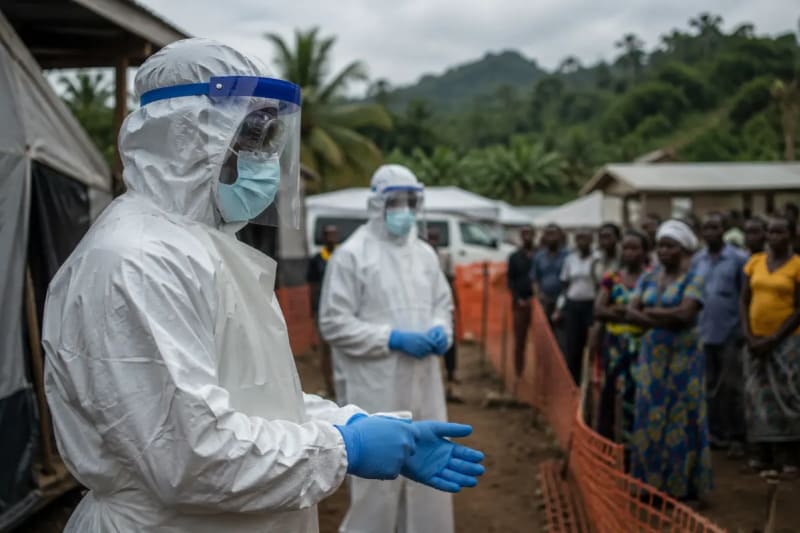
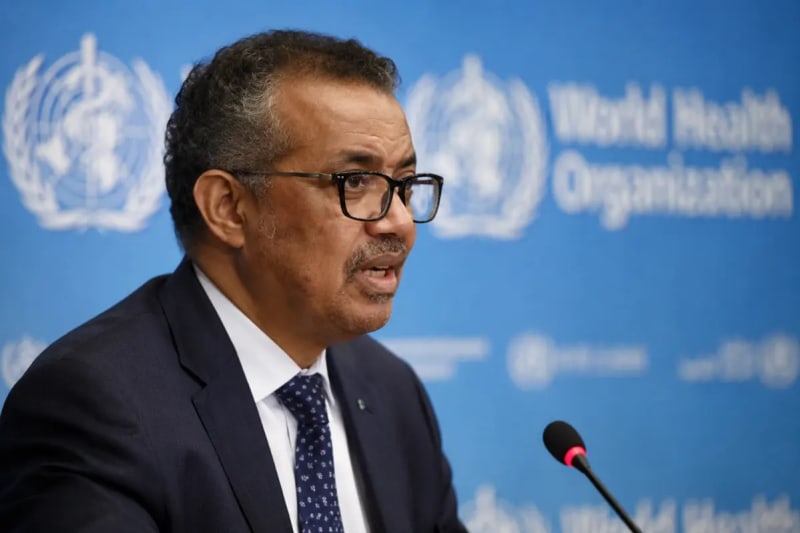
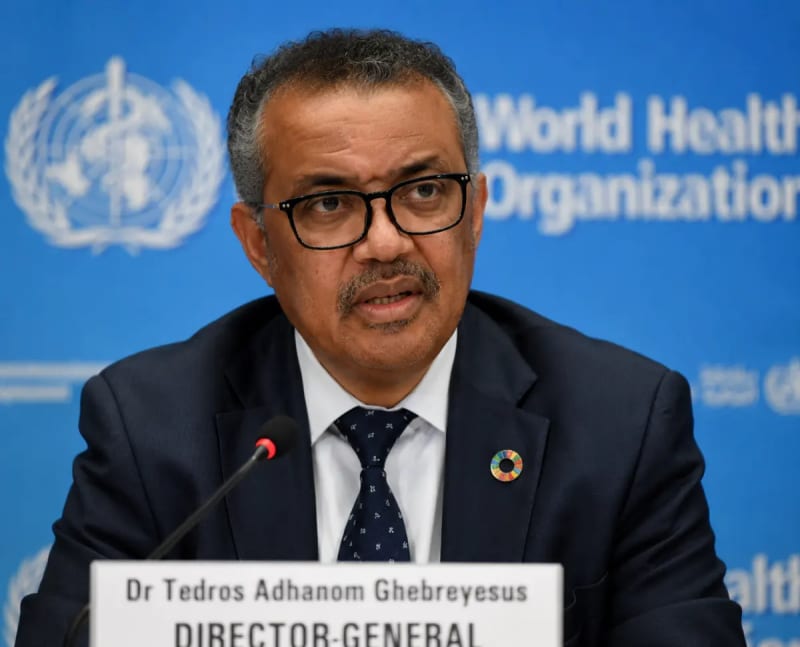
The Nigerian government has long partnered with international organizations, including the WHO and the Global Fund to Fight AIDS, Tuberculosis, and Malaria, to combat the disease. The WHO has emphasized the need for country led initiatives to achieve malaria elimination, citing Nigeria’s potential to set a precedent for other high burden nations. If signed into law, the new agency will work alongside these partners to scale up proven interventions, such as seasonal malaria chemoprevention for children and indoor residual spraying in high risk areas.
Prevention and Safety Guidance
While the agency’s establishment marks a significant step forward, public health experts stress that individual and community actions remain critical. Key preventive measures include:
- Using insecticide treated bed nets every night, especially in malaria prone regions.
- Eliminating standing water around homes to reduce mosquito breeding sites.
- Seeking prompt medical attention for fever or flu like symptoms, particularly in children.
- Pregnant women attending antenatal care to receive intermittent preventive treatment.
- Supporting community based efforts, such as environmental sanitation and public awareness campaigns.
What Readers Should Know
The creation of the National Agency for Malaria Elimination reflects Nigeria’s commitment to achieving the WHO’s global malaria elimination targets by 2030. However, success will depend on sustained political will, adequate funding, and robust community engagement. For now, Nigerians are encouraged to stay informed about malaria prevention and advocate for policies that prioritize public health. The agency’s launch could also serve as a model for other African nations grappling with similar challenges, reinforcing the idea that malaria elimination is not just a health goal but a pathway to economic and social development.
Key Takeaways
- Nigeria’s Senate has passed a bill to establish the National Agency for Malaria Elimination, pending presidential assent.
- Malaria remains a leading cause of death in Nigeria, particularly among children under five and pregnant women.
- The new agency aims to centralize efforts, improve coordination, and accelerate progress toward malaria elimination by 2030.
- Preventive measures, such as insecticide treated nets and environmental sanitation, remain critical in reducing transmission.
- The initiative could serve as a model for other high burden countries in Africa.
Frequently Asked Questions
What is the National Agency for Malaria Elimination?
It is a proposed Nigerian government agency dedicated to coordinating and implementing strategies to eliminate malaria nationwide. Its goal is to consolidate existing efforts, improve funding allocation, and accelerate progress toward eradication.
Why is malaria such a significant problem in Nigeria?
Nigeria accounts for nearly a quarter of global malaria cases and deaths. Factors such as high transmission rates, limited access to healthcare in rural areas, and climate conditions that favor mosquito breeding contribute to the disease’s persistence.
How will the new agency improve malaria control?
The agency is expected to streamline coordination among stakeholders, enhance surveillance, expand access to preventive tools like bed nets and antimalarial drugs, and mobilize domestic and international funding for sustained impact.
What can individuals do to protect themselves from malaria?
Key actions include sleeping under insecticide treated nets, eliminating standing water around homes, seeking prompt medical care for fever, and supporting community based prevention efforts. Pregnant women should attend antenatal care to receive preventive treatment.
When will the agency begin operations?
The bill has passed the Senate and awaits presidential assent. Once signed into law, the government will need to establish the agency’s structure, secure funding, and launch its programs, a process that could take several months.
Medical Review: MedSense Editorial Board












DISCUSSION (0)
POST A COMMENT