What Happened
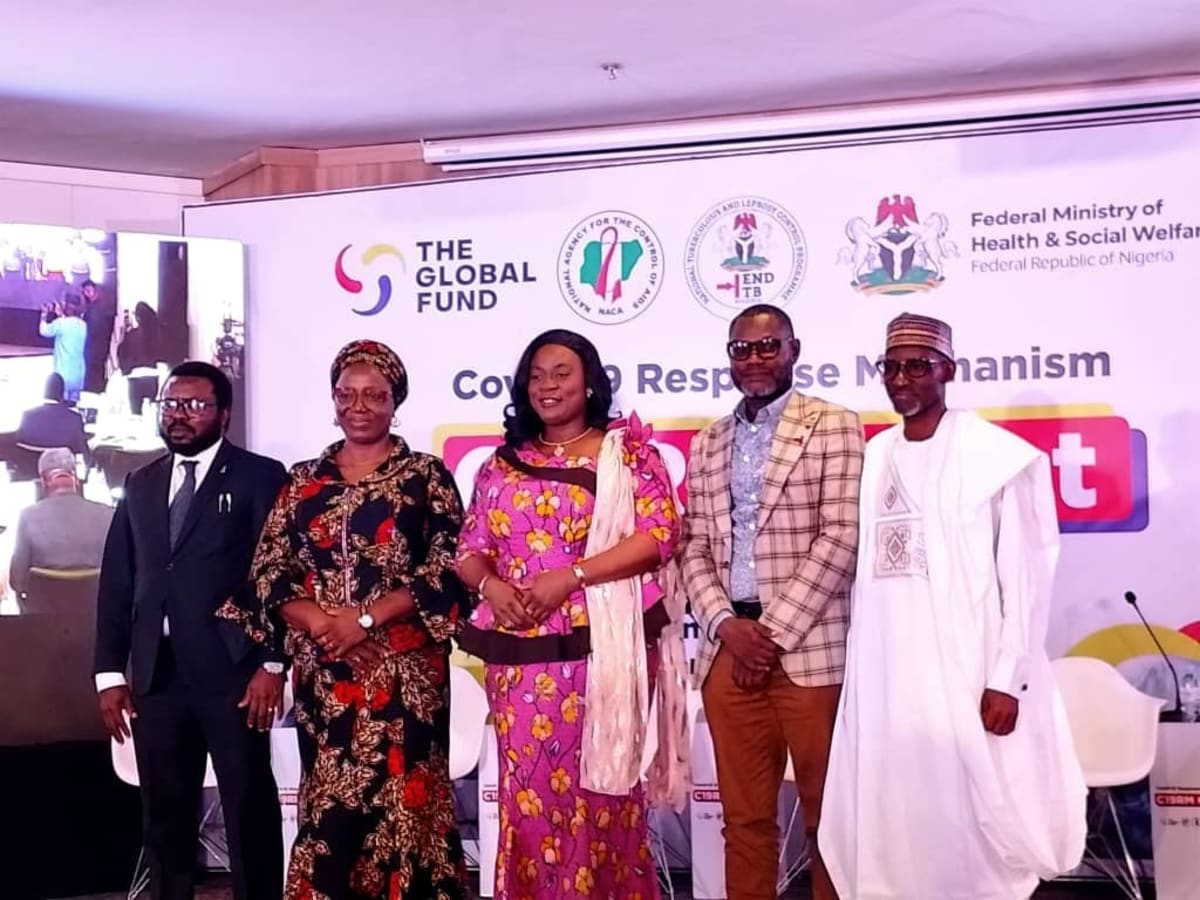
The Global Fund’s COVID 19 Response Mechanism, known as C19 RM, has officially concluded its operations in Nigeria after three years of targeted investment in the country’s health security infrastructure. The programme, which disbursed funds to strengthen disease surveillance, laboratory diagnostics, and oxygen supply chains, has left a measurable impact on Nigeria’s ability to respond to public health emergencies. Federal health authorities, alongside development partners, are now moving to preserve these gains, ensuring the systems and capacities built during the grant period do not erode as funding shifts.
Why Public Health Officials Are Concerned
The end of the C19 RM grant presents both an opportunity and a risk. While the programme successfully expanded Nigeria’s diagnostic and response capabilities, public health experts warn that without deliberate efforts to sustain these improvements, the country could lose critical ground in its fight against infectious diseases. Nigeria remains vulnerable to outbreaks of diseases like Lassa fever, cholera, and monkeypox, all of which require robust surveillance and rapid response systems. The risk of backsliding is particularly acute in resource limited settings, where health infrastructure often depends on external funding cycles.
Moreover, the COVID 19 pandemic exposed gaps in Nigeria’s oxygen supply chain, a weakness that the C19 RM grant helped address by funding the installation of oxygen plants in hospitals across the country. If these plants are not properly maintained or staffed, the country could face similar shortages during future health crises. Public health officials emphasise that the gains made under the grant must be institutionalised, integrated into national health budgets, staff training programmes, and routine health system operations, to ensure lasting impact.
Who May Be Affected
The preservation of these health system gains will have direct implications for several key groups. First, healthcare workers, particularly those in public health laboratories and disease surveillance units, stand to benefit from sustained training and infrastructure improvements. These professionals play a frontline role in detecting and responding to outbreaks, and their capacity to perform these functions depends on continued investment in equipment, software, and skills development.
Second, patients in Nigeria’s public health facilities, especially those in rural and underserved areas, will feel the impact of these efforts. Improved laboratory networks mean faster and more accurate diagnoses, while expanded oxygen infrastructure can save lives during respiratory emergencies. If these systems are not maintained, vulnerable populations could face delays in treatment or reduced access to critical care.
Finally, the broader Nigerian population will benefit from a more resilient health system capable of detecting and containing outbreaks before they spread. The C19 RM grant helped establish early warning systems that can now be leveraged for other infectious diseases, reducing the likelihood of large scale epidemics.
Government and Partner Response
The Federal Ministry of Health, in collaboration with the Global Fund and other development partners, has outlined a transition plan to sustain the gains of the C19 RM grant. Key components of this plan include the integration of disease surveillance systems into Nigeria’s existing public health framework, ensuring that data collection and analysis tools remain functional beyond the grant period. The ministry has also committed to incorporating laboratory maintenance and oxygen plant upkeep into national health budgets, reducing reliance on external funding.
Development partners, including the World Health Organization and the United States Centers for Disease Control and Prevention, are providing technical support to help Nigeria institutionalise these improvements. This includes training programmes for laboratory technicians, the development of standard operating procedures for disease surveillance, and the establishment of public private partnerships to maintain oxygen infrastructure. The Global Fund has also indicated that it will continue to engage with Nigeria through its core grants, which support HIV, tuberculosis, and malaria programmes, ensuring some level of continuity in health system strengthening efforts.
Prevention and Safety Guidance
While the transition plan is underway, public health officials are urging state and local governments to take ownership of the systems established under the C19 RM grant. This includes allocating funds for the maintenance of laboratory equipment, ensuring regular calibration of diagnostic tools, and training staff to operate and troubleshoot oxygen plants. Health facilities are also encouraged to establish routine monitoring mechanisms to track the functionality of these systems and address any gaps promptly.
For healthcare workers, ongoing training is critical. The Federal Ministry of Health recommends that laboratory technicians and disease surveillance officers participate in refresher courses to keep their skills up to date. Hospitals should also conduct regular drills to test their readiness to respond to infectious disease outbreaks, ensuring that staff are familiar with protocols for sample collection, testing, and reporting.
What Readers Should Know
The conclusion of the Global Fund’s COVID 19 Response Mechanism in Nigeria marks a pivotal moment for the country’s health security. While the grant has left a lasting legacy in the form of stronger disease surveillance, expanded laboratory networks, and improved oxygen infrastructure, the real test lies in sustaining these gains. For Nigeria to build on this progress, continued investment, both financial and political, will be essential. The transition plan offers a roadmap, but its success depends on the commitment of federal, state, and local authorities to prioritise health system resilience.
For the average Nigerian, this means a health system better equipped to detect and respond to outbreaks, reducing the risk of widespread illness and economic disruption. It also means greater confidence in the ability of public health facilities to provide timely and effective care during emergencies. However, these benefits are not guaranteed. The coming months will be critical in determining whether Nigeria can institutionalise the lessons of the pandemic and emerge with a health system capable of withstanding future threats.
Key Takeaways
- Nigeria’s health system saw significant improvements under the Global Fund’s COVID 19 Response Mechanism, including expanded disease surveillance, modernised laboratory networks, and enhanced oxygen infrastructure.
- Federal and state governments, along with development partners, are working to institutionalise these gains to prevent backsliding as the grant concludes.
- Sustaining these improvements will require continued investment in training, equipment maintenance, and health system integration to ensure long term resilience against infectious disease outbreaks.
- The success of the transition plan will depend on political commitment and financial support from all levels of government to prioritise health security.
Frequently Asked Questions
What was the Global Fund’s COVID 19 Response Mechanism in Nigeria?
The Global Fund’s COVID 19 Response Mechanism, or C19 RM, was a grant programme that provided Nigeria with funding to strengthen its disease surveillance systems, laboratory networks, and oxygen infrastructure during the pandemic. The programme aimed to enhance the country’s ability to detect, respond to, and manage infectious disease outbreaks.
Why is it important to sustain the gains from the C19 RM grant?
Sustaining these gains is critical to prevent backsliding in Nigeria’s health security. The improvements made under the grant, such as expanded laboratory capacity and oxygen infrastructure, are essential for detecting and responding to outbreaks of diseases like Lassa fever, cholera, and monkeypox. Without continued investment, these systems could deteriorate, leaving the country vulnerable to future health crises.
How will Nigeria preserve the health system improvements from the grant?
Nigeria plans to integrate the systems and infrastructure developed under the C19 RM grant into its broader health system. This includes allocating national budgets for laboratory maintenance, training healthcare workers, and establishing public private partnerships to sustain oxygen infrastructure. Development partners are also providing technical support to ensure these efforts are successful.
What role do state and local governments play in this transition?
State and local governments are responsible for taking ownership of the systems established under the grant. This includes funding the maintenance of laboratory equipment, ensuring staff are trained to operate oxygen plants, and monitoring the functionality of disease surveillance tools. Their commitment is essential to the long term success of these efforts.
How will these efforts benefit the average Nigerian?
These efforts will lead to a more resilient health system capable of detecting and responding to outbreaks more effectively. For the average Nigerian, this means faster diagnoses, better access to critical care like oxygen therapy, and reduced risk of large scale epidemics. It also means greater confidence in the ability of public health facilities to handle future health emergencies.
Medical Review: MedSense Editorial Board
























DISCUSSION (0)
POST A COMMENT