
Nigeria’s Federal Government has ordered the immediate implementation of measures to protect health workers nationwide after a ministerial committee submitted its report on harassment by security personnel. The directive follows a recent incident at the University of Uyo Teaching Hospital, where security operatives allegedly harassed medical staff. The move aims to address growing concerns over the safety of healthcare workers, ensuring uninterrupted medical services across the country.
Latest Developments
The Nigerian Federal Government has directed the immediate rollout of measures to safeguard health workers following the submission of a report by the Ministerial Committee on the Harassment of Health Workers by Security Personnel. The decision comes after a widely reported incident at the University of Uyo Teaching Hospital in Akwa Ibom State, where security operatives allegedly disrupted hospital operations and harassed medical staff.
Minister of Health, Prof. Muhammad Ali Pate, announced the directive during a press briefing in Abuja, emphasizing that the protection of health workers is critical to maintaining the integrity of Nigeria’s healthcare system. While specific details of the measures remain undisclosed, the government has pledged to collaborate with security agencies to enforce compliance and prevent future occurrences.
Why This Matters
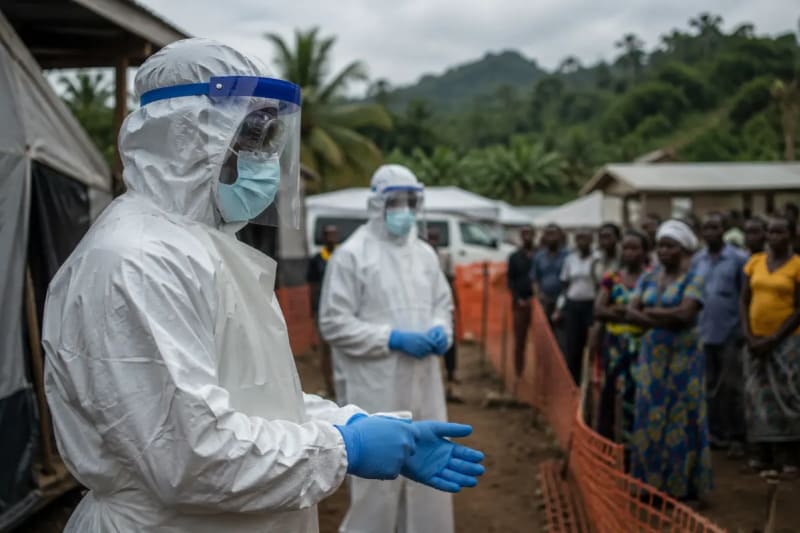
Harassment of health workers by security personnel has been a persistent issue in Nigeria, often leading to disruptions in medical services and heightened tensions in healthcare facilities. In the Uyo incident, reports indicated that security operatives stormed the hospital, allegedly in pursuit of a suspect, but their actions resulted in the temporary suspension of emergency services. Such incidents not only endanger patients but also erode trust in the healthcare system.
The World Health Organization has repeatedly stressed the importance of protecting health workers, particularly in conflict zones and high stress environments. Nigeria, with its ongoing security challenges, has seen an increase in such cases, prompting calls for stronger legal protections and inter agency cooperation. The government’s latest directive signals a recognition of the problem, though its effectiveness will depend on swift enforcement.
Response Efforts
The Ministerial Committee, established earlier this year, was tasked with investigating reports of harassment and recommending solutions. Its findings reportedly highlighted systemic gaps in communication between security agencies and healthcare institutions, as well as a lack of clear protocols for security operations within medical facilities.
In response, the government has instructed the Ministry of Health to work with the Nigeria Police Force, the Department of State Services, and other relevant agencies to develop standardized guidelines for security operations in hospitals. These guidelines are expected to include restrictions on armed entries into medical facilities unless in life threatening situations, as well as mandatory de escalation training for security personnel.
Prof. Pate stated, "Health workers are the backbone of our healthcare system. Their safety is non negotiable, and we will not tolerate any actions that compromise their ability to serve Nigerians."
Public Health Impact
The harassment of health workers has far reaching consequences for public health. In regions already grappling with healthcare shortages, such incidents can deter medical professionals from working in high risk areas, exacerbating existing disparities in access to care. Additionally, disruptions in hospital operations can delay critical treatments, leading to preventable complications or deaths.
Public health experts have welcomed the government’s directive but caution that sustained efforts will be needed to address the root causes of the problem. Dr. Chikwe Ihekweazu, former Director General of the Nigeria Centre for Disease Control, noted that while policy changes are a step in the right direction, cultural shifts within security agencies are equally important. "This is not just about rules; it’s about respect for the sanctity of healthcare spaces," he said.
What’s Next
The Ministry of Health has been given a two week timeline to present a detailed action plan outlining the implementation of the new measures. Key stakeholders, including the Nigerian Medical Association and the National Association of Nigerian Nurses and Midwives, have been invited to participate in the process to ensure that the perspectives of frontline workers are considered.
Meanwhile, the government has urged health workers to report any further incidents of harassment through official channels, promising confidentiality and swift action. Civil society organizations have also been called upon to monitor compliance and hold authorities accountable.
Key Takeaways
- Nigeria’s Federal Government has ordered immediate measures to protect health workers following reports of harassment by security personnel.
- The directive follows an incident at UUTH where security operatives allegedly disrupted hospital operations, highlighting systemic gaps in healthcare security.
- New guidelines will restrict armed entries into medical facilities and require de escalation training for security personnel to prevent future incidents.
Frequently Asked Questions
What prompted the Nigerian government’s directive?
The directive follows the submission of a report by the Ministerial Committee on the Harassment of Health Workers, which investigated incidents of security personnel disrupting hospital operations, including a recent case at UUTH.
How will the new measures be enforced?
The Ministry of Health will collaborate with security agencies to develop standardized guidelines, including restrictions on armed entries into hospitals and mandatory training for security personnel.
What impact does harassment have on healthcare delivery?
Harassment of health workers can disrupt medical services, deter professionals from working in high risk areas, and delay critical treatments, worsening public health outcomes.
Published by O. Ayodeji | Review by MedSense Editorial Board













DISCUSSION (0)
POST A COMMENT