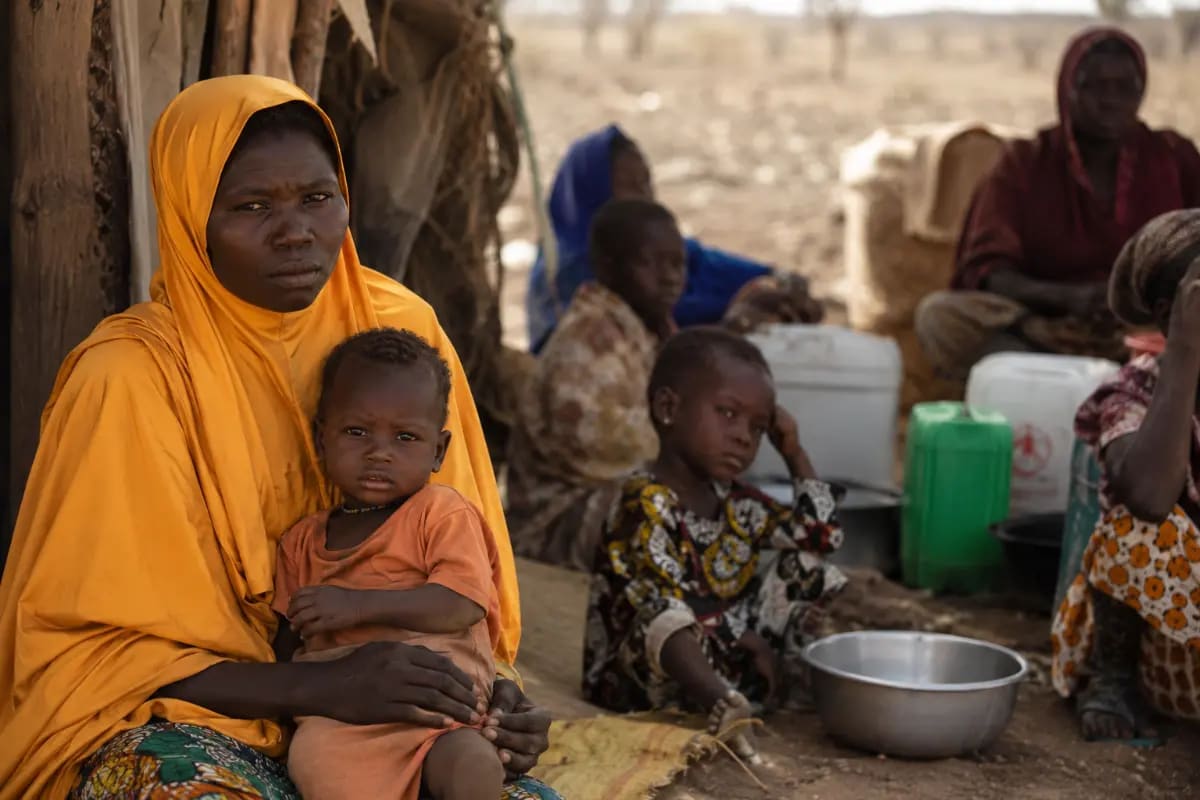
Nigeria is on the brink of a severe hunger crisis, with nearly 17 million people projected to face acute food insecurity by January 2027, according to a new report by the Famine Early Warning Systems Network (FEWS NET). The alarming figures, published in the July 2026 Food Assistance Outlook Brief, highlight the compounding effects of conflict, economic instability, and climate related disruptions on the country's food systems. The crisis threatens to deepen malnutrition, particularly among vulnerable populations in northern regions.
What the Report Reveals
The Famine Early Warning Systems Network (FEWS NET), a leading provider of early warning and analysis on food insecurity, has projected that 16.99 million Nigerians will experience acute hunger by early 2027. The data, obtained by Sunday PUNCH, underscores a worsening crisis driven by multiple overlapping factors, including armed conflict, inflation, and climate shocks such as droughts and floods.
The report identifies northern Nigeria as the hardest hit region, where ongoing insurgencies and banditry have disrupted agricultural activities and displaced millions. Economic pressures, including rising food prices and currency devaluation, have further eroded households' ability to afford basic necessities. FEWS NET warns that without urgent intervention, the situation could deteriorate into a full blown humanitarian emergency.
Why This Matters
Acute food insecurity is defined by the Integrated Food Security Phase Classification (IPC) as a situation where households face significant food consumption gaps or are forced to adopt emergency coping strategies. For Nigeria, the projected figures represent a sharp increase from previous years, signaling a rapid decline in food security.
The crisis has far reaching implications for public health. Malnutrition, particularly among children under five, is expected to rise, increasing the risk of stunting, wasting, and mortality. The World Health Organization (WHO) has previously warned that food insecurity is a key driver of preventable deaths in low income settings, particularly in regions with weak healthcare infrastructure.
Economically, the crisis threatens to exacerbate poverty, as families spend a larger share of their income on food, leaving little for healthcare, education, or other essential needs. The United Nations Food and Agriculture Organization (FAO) estimates that food insecurity can reduce a country's GDP by up to 10% due to lost productivity and increased healthcare costs.
Root Causes of the Crisis
The hunger crisis in Nigeria is not the result of a single factor but a convergence of long standing challenges. Conflict remains the primary driver, with armed groups targeting farming communities, destroying crops, and displacing populations. In the northeast, the Boko Haram insurgency has left vast areas inaccessible for agricultural production, while banditry in the northwest has forced farmers to abandon their lands.
Climate change has also played a critical role. Erratic rainfall patterns, prolonged droughts, and devastating floods have disrupted planting and harvesting cycles. The 2025 flooding season, one of the worst in decades, destroyed over 300,000 hectares of farmland, according to the Nigerian Meteorological Agency (NiMet).
Economic instability has compounded these issues. Nigeria's inflation rate hit a 28 year high in 2026, with food inflation exceeding 40%. The naira's depreciation against the dollar has made imports more expensive, further straining household budgets. The removal of fuel subsidies in 2023, while necessary for long term fiscal health, has also increased transportation costs, making it harder for farmers to get their produce to markets.
Response Efforts and What's Next
The Nigerian government, in collaboration with international partners, has begun scaling up response efforts. The National Emergency Management Agency (NEMA) has distributed food aid to affected states, while the World Food Programme (WFP) has increased its operations in high risk areas. However, funding gaps and logistical challenges have limited the reach of these interventions.
FEWS NET recommends immediate action to address the crisis, including expanding social protection programs, improving access to agricultural inputs, and strengthening early warning systems. The report also calls for increased investment in climate resilient farming practices to mitigate future shocks.
For now, the focus remains on preventing a catastrophic outcome. Humanitarian organizations warn that without sustained support, the hunger crisis could spiral into famine like conditions in the worst affected areas. The international community is urged to prioritize Nigeria in global food security initiatives, ensuring that resources reach those most in need.
Key Takeaways
- Nearly 17 million Nigerians are projected to face acute hunger by January 2027, according to FEWS NET, driven by conflict, climate shocks, and economic instability.
- Northern Nigeria is the hardest hit region, with insurgencies and banditry disrupting agriculture and displacing millions, while inflation and currency devaluation worsen food affordability.
- Urgent interventions, including expanded food aid, social protection programs, and climate resilient farming, are needed to prevent a humanitarian catastrophe.
Frequently Asked Questions
What is causing the hunger crisis in Nigeria?
The crisis is driven by a combination of armed conflict, climate related disruptions like droughts and floods, and economic instability, including high inflation and currency devaluation.
Which regions in Nigeria are most affected?
Northern Nigeria, particularly the northeast and northwest, is the hardest hit due to ongoing insurgencies, banditry, and climate shocks that have disrupted agricultural activities.
What can be done to address the crisis?
Immediate actions include expanding food aid, strengthening social protection programs, improving access to agricultural inputs, and investing in climate resilient farming practices to mitigate future risks.
Published by O. Ayodeji John | Review by MedSense Editorial Board












DISCUSSION (0)
POST A COMMENT