
What Happened
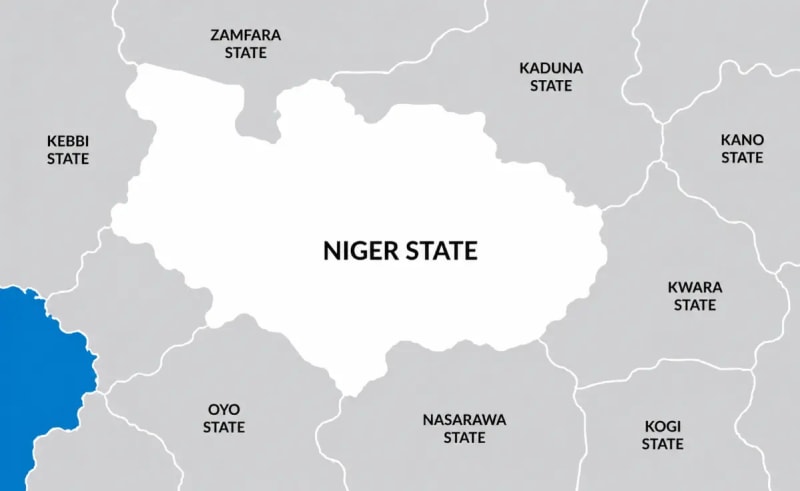
During a high level stakeholder forum in Nigeria, environmental advocates, policymakers, and industry leaders converged to address the escalating plastic waste crisis across Africa. The consensus was clear: without immediate and coordinated action, the environmental and public health toll of plastic pollution will worsen. Participants highlighted the need for a national roadmap with measurable targets, stronger cross sector partnerships, and practical strategies to convert plastic waste into economic value. The discussions underscored that Africa’s plastic waste problem is not just an environmental issue but a missed opportunity for job creation and sustainable development.
Why Public Health Officials Are Concerned
Plastic waste poses a multifaceted threat to public health. In Nigeria and other African nations, improperly managed plastic waste clogs drainage systems, leading to flooding and the spread of waterborne diseases like cholera and dysentery. Open burning of plastic releases toxic fumes, contributing to respiratory illnesses and long term health risks such as cancer. Microplastics, which contaminate water sources and food chains, are an emerging concern, with studies linking them to inflammation, cellular damage, and potential endocrine disruption. Public health officials warn that without intervention, these risks will disproportionately affect vulnerable populations, including children and low income communities.
Who May Be Affected
The plastic waste crisis impacts nearly every segment of society, but some groups face heightened risks. Urban residents, particularly those in densely populated areas like Lagos, Nairobi, and Cairo, are exposed to higher levels of plastic pollution due to inadequate waste management infrastructure. Informal waste pickers, who often work in hazardous conditions without protective gear, are at risk of injuries and exposure to toxins. Coastal communities face threats to marine life and fisheries, which are vital sources of food and income. Additionally, future generations may inherit a degraded environment with long term health consequences if current trends continue.
Government and Stakeholder Response
Stakeholders at the forum outlined a three pronged approach to tackling the crisis. First, they called for the development of a clear national roadmap with measurable targets for plastic waste reduction, recycling, and economic repurposing. Second, they emphasized the need for stronger public private partnerships to fund and scale local innovations, such as plastic to fuel technologies and upcycling initiatives. Third, they urged governments to enforce existing environmental regulations and incentivize businesses to adopt circular economy models. The African Union and regional bodies like the Economic Community of West African States (ECOWAS) have also been encouraged to harmonize policies to create a unified front against plastic pollution.
Prevention and Safety Guidance
While systemic change is essential, individuals and communities can take steps to mitigate the impact of plastic waste. Public health experts recommend the following:
- Reduce single use plastics: Opt for reusable bags, bottles, and containers to minimize plastic consumption.
- Participate in community clean ups: Organize or join local efforts to remove plastic waste from streets, beaches, and waterways.
- Support recycling programs: Separate recyclable plastics at home and advocate for accessible recycling facilities in your area.
- Educate others: Raise awareness about the health and environmental risks of plastic pollution, particularly in schools and community centers.
- Advocate for policy change: Engage with local leaders to push for stronger waste management policies and enforcement.
What Readers Should Know
The plastic waste crisis in Africa is not insurmountable, but it requires collective action at all levels. While governments and businesses bear significant responsibility, individuals can contribute to solutions by adopting sustainable habits and demanding accountability. The proposed roadmap offers a glimmer of hope, but its success depends on political will, funding, and community engagement. For now, the message from stakeholders is clear: the time to act is now, before the crisis spirals further out of control.
Key Takeaways
- Plastic waste in Africa is a public health crisis, contributing to disease, environmental degradation, and economic losses.
- Stakeholders are calling for a national roadmap with measurable targets to convert plastic waste into wealth and jobs through innovation and partnerships.
- Individuals can help by reducing plastic use, supporting recycling, and advocating for stronger policies.
Frequently Asked Questions
Why is plastic waste a major concern in Africa?
Plastic waste in Africa poses significant public health risks, including waterborne diseases, respiratory illnesses from burning plastic, and microplastic contamination in food and water. It also clogs drainage systems, leading to flooding, and harms marine life, which affects food security.
What are the proposed solutions to Africa’s plastic waste crisis?
Stakeholders propose a national roadmap with measurable targets, stronger public private partnerships, enforcement of environmental regulations, and incentives for businesses to adopt circular economy models. Local innovations, such as plastic to fuel technologies, are also being explored.
How can individuals help reduce plastic waste?
Individuals can reduce single use plastics, participate in community clean ups, support recycling programs, educate others about the risks of plastic pollution, and advocate for stronger waste management policies.
What role do governments play in addressing plastic waste?
Governments are responsible for creating and enforcing policies, setting measurable targets for waste reduction, funding recycling infrastructure, and fostering partnerships between businesses, communities, and international organizations.
Medical Review: MedSense Editorial Board














DISCUSSION (0)
POST A COMMENT