
What Happened
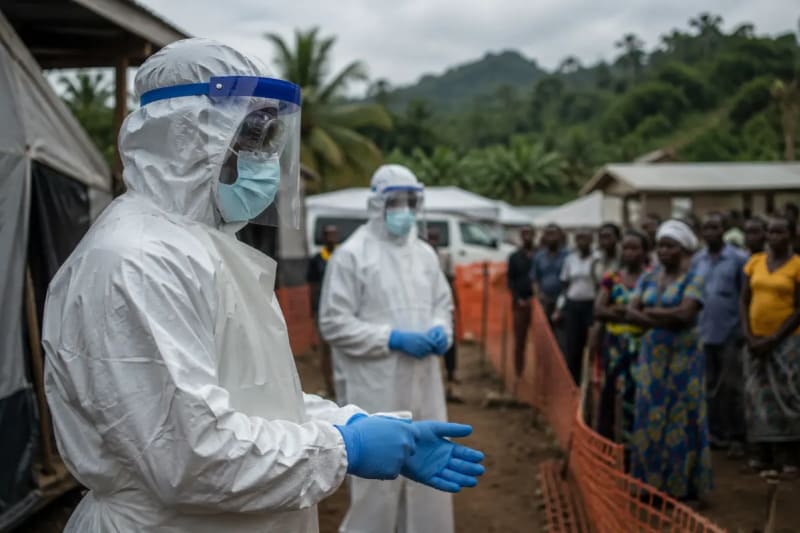
President Bola Tinubu approved a 10 billion naira emergency allocation to strengthen Nigeria’s defenses against Ebola. The decision follows reports of new Ebola cases in several African countries, including confirmed outbreaks in the Democratic Republic of Congo and Uganda. The funding will support critical preparedness measures such as enhanced border screening, expansion of isolation facilities, and procurement of personal protective equipment for healthcare workers.
Why Public Health Officials Are Concerned
Ebola virus disease is one of the most lethal pathogens known to medicine, with case fatality rates ranging from 25 to 90 percent depending on the strain and healthcare response. The virus spreads through direct contact with bodily fluids of infected individuals or contaminated surfaces, making healthcare settings and households particularly vulnerable. Nigeria’s experience with the 2014 Ebola outbreak, which claimed seven lives before being contained, underscored the importance of rapid response and robust surveillance systems.
Public health officials are particularly worried about the potential for undetected cases to enter Nigeria through land and air travel. The country’s large population, frequent cross border movement, and overstretched healthcare system create conditions that could facilitate rapid transmission if the virus is introduced. Additionally, misinformation and public distrust of health authorities, which surfaced during the COVID 19 pandemic, could hinder containment efforts.
Symptoms or Risk Factors
Ebola typically begins with sudden onset of fever, fatigue, muscle pain, headache, and sore throat. As the disease progresses, patients may develop vomiting, diarrhea, rash, impaired kidney and liver function, and in some cases, internal and external bleeding. Symptoms usually appear between 2 to 21 days after exposure, with an average incubation period of 8 to 10 days.
High risk groups include healthcare workers, family members caring for infected patients, and individuals handling the bodies of deceased Ebola victims. Travelers returning from affected regions and those in close contact with wildlife, particularly fruit bats and primates, are also at elevated risk.
Who May Be Affected
The entire Nigerian population is potentially at risk, but certain groups face higher vulnerability. Healthcare workers on the frontlines of disease detection and treatment are at greatest risk of exposure. Urban populations in densely populated cities like Lagos, Kano, and Port Harcourt could see rapid transmission due to close living conditions and high mobility. Rural communities with limited access to healthcare facilities may experience delayed diagnosis and higher fatality rates.
Children, the elderly, and individuals with underlying health conditions such as HIV, diabetes, or malnutrition are more likely to develop severe disease if infected. The economic impact could be substantial, with potential disruptions to trade, travel, and daily commerce if containment measures are implemented.
Government Response
The Nigerian government has activated its national emergency response plan, which includes coordination between the Nigeria Centre for Disease Control, Federal Ministry of Health, and state level health authorities. Key components of the response include:
- Enhanced surveillance at all international airports, seaports, and land borders
- Training of healthcare workers in infection prevention and control measures
- Expansion of laboratory testing capacity for rapid diagnosis
- Public awareness campaigns to educate communities about symptoms and prevention
- Stockpiling of personal protective equipment and medical supplies
- Activation of isolation centers in major cities
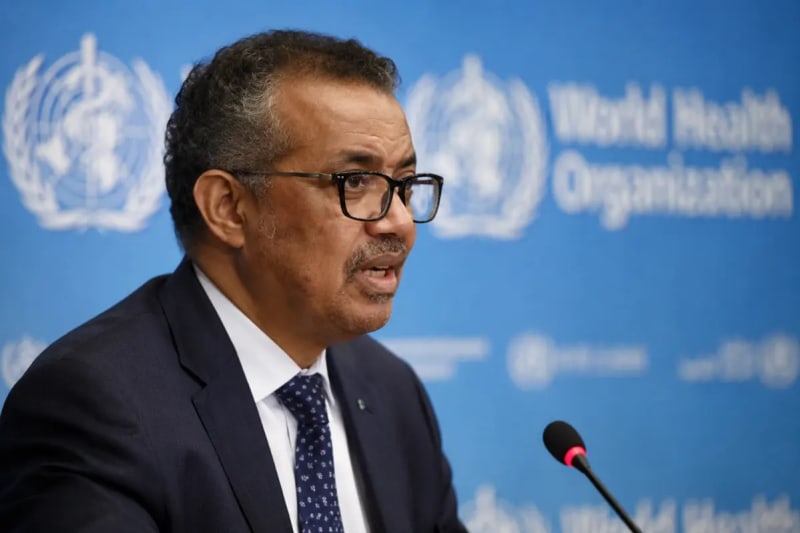
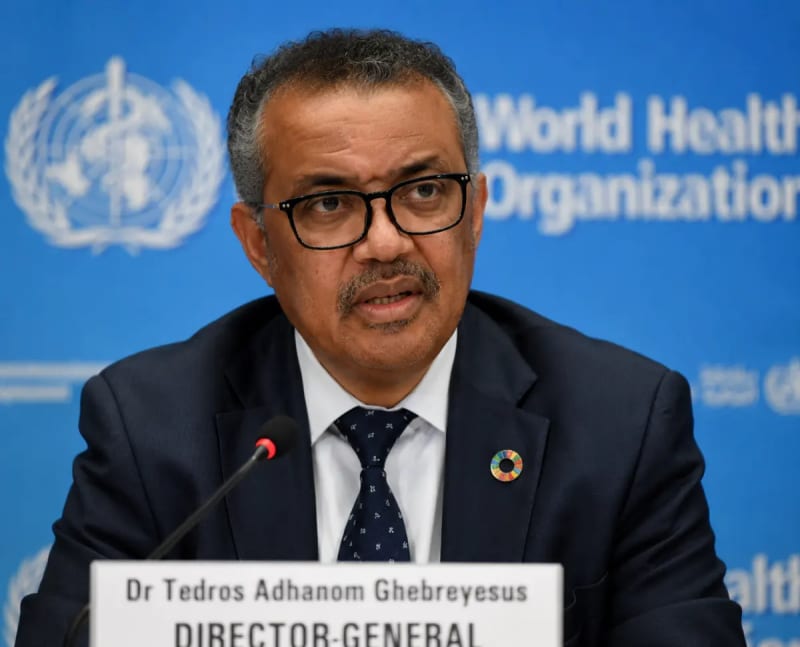
The World Health Organization has praised Nigeria’s proactive approach, noting that the country’s experience with previous outbreaks positions it well to respond effectively. WHO representatives have offered technical support and are monitoring the regional situation closely.
Prevention and Safety Guidance
While the risk of Ebola in Nigeria remains low, public health officials urge citizens to take basic precautions:
- Avoid contact with blood and bodily fluids of people who are sick
- Do not handle items that may have come in contact with an infected person’s blood or bodily fluids
- Wash hands frequently with soap and water or use alcohol based hand sanitizer
- Avoid contact with bats, monkeys, chimpanzees, gorillas, and other wildlife that may carry the virus
- Seek medical care immediately if you develop fever, fatigue, or other Ebola symptoms, especially if you have traveled to affected areas
- Healthcare workers should follow strict infection control protocols, including wearing appropriate personal protective equipment
What Readers Should Know
Nigeria’s emergency funding represents a critical investment in preventing a potential public health crisis. While the immediate threat remains contained, the situation requires ongoing vigilance from both authorities and the public. Citizens should stay informed through official sources such as the Nigeria Centre for Disease Control and avoid spreading unverified information that could cause unnecessary panic.
For travelers, monitoring travel advisories from health authorities and practicing good hygiene can reduce risk. Healthcare providers should maintain high index of suspicion for Ebola in patients presenting with compatible symptoms, particularly those with recent travel history to affected regions.
The coming weeks will be crucial in determining whether Nigeria’s preparedness measures are sufficient to prevent local transmission. Public cooperation with health authorities and adherence to prevention guidelines will play a vital role in keeping the country Ebola free.
Key Takeaways
- Nigeria has approved a $6.2 million emergency fund to strengthen Ebola preparedness following confirmed cases in neighboring African countries
- Ebola is a highly lethal virus with case fatality rates up to 90 percent, requiring rapid response and robust surveillance to prevent outbreaks
- Symptoms include fever, fatigue, vomiting, diarrhea, and in severe cases, internal and external bleeding, with an incubation period of 2 to 21 days
- High risk groups include healthcare workers, family caregivers, and individuals in contact with wildlife or infected persons
- The government has activated enhanced surveillance, healthcare worker training, and public awareness campaigns as part of its response plan
- Basic prevention measures include hand hygiene, avoiding contact with bodily fluids, and seeking medical care for compatible symptoms
Frequently Asked Questions
What is Ebola virus disease?
Ebola virus disease is a severe, often fatal illness caused by the Ebola virus. It spreads through direct contact with bodily fluids of infected individuals or contaminated surfaces. The disease typically begins with fever, fatigue, and muscle pain, progressing to vomiting, diarrhea, and in some cases, bleeding.
How does Ebola spread?
Ebola spreads through direct contact with blood, secretions, organs, or other bodily fluids of infected people, or with surfaces and materials contaminated with these fluids. It can also spread through contact with infected animals such as fruit bats, chimpanzees, and gorillas.
What are the early symptoms of Ebola?
Early symptoms include sudden onset of fever, fatigue, muscle pain, headache, and sore throat. These are followed by vomiting, diarrhea, rash, and in some cases, internal and external bleeding. Symptoms typically appear 2 to 21 days after exposure.
Who is most at risk of Ebola infection?
Healthcare workers, family members caring for infected patients, and individuals handling the bodies of deceased Ebola victims are at highest risk. Travelers to affected regions and those in contact with wildlife that may carry the virus are also at elevated risk.
How can I protect myself from Ebola?
Protective measures include avoiding contact with blood and bodily fluids of sick individuals, not handling contaminated items, washing hands frequently, avoiding contact with wildlife that may carry the virus, and seeking medical care immediately if symptoms develop.
Is there a vaccine for Ebola?
Yes, vaccines for Ebola have been developed and used in outbreak settings. The Ervebo vaccine has been approved for use in several countries and has shown effectiveness in preventing Ebola virus disease. Vaccination campaigns are typically targeted at high risk groups during outbreaks.
What should I do if I suspect someone has Ebola?
If you suspect someone has Ebola, avoid direct contact with the person and immediately notify local health authorities. Do not attempt to transport the individual yourself. Healthcare workers should follow strict infection control protocols when caring for suspected cases.
Medical Review: MedSense Editorial Board











DISCUSSION (0)
POST A COMMENT