What Happened
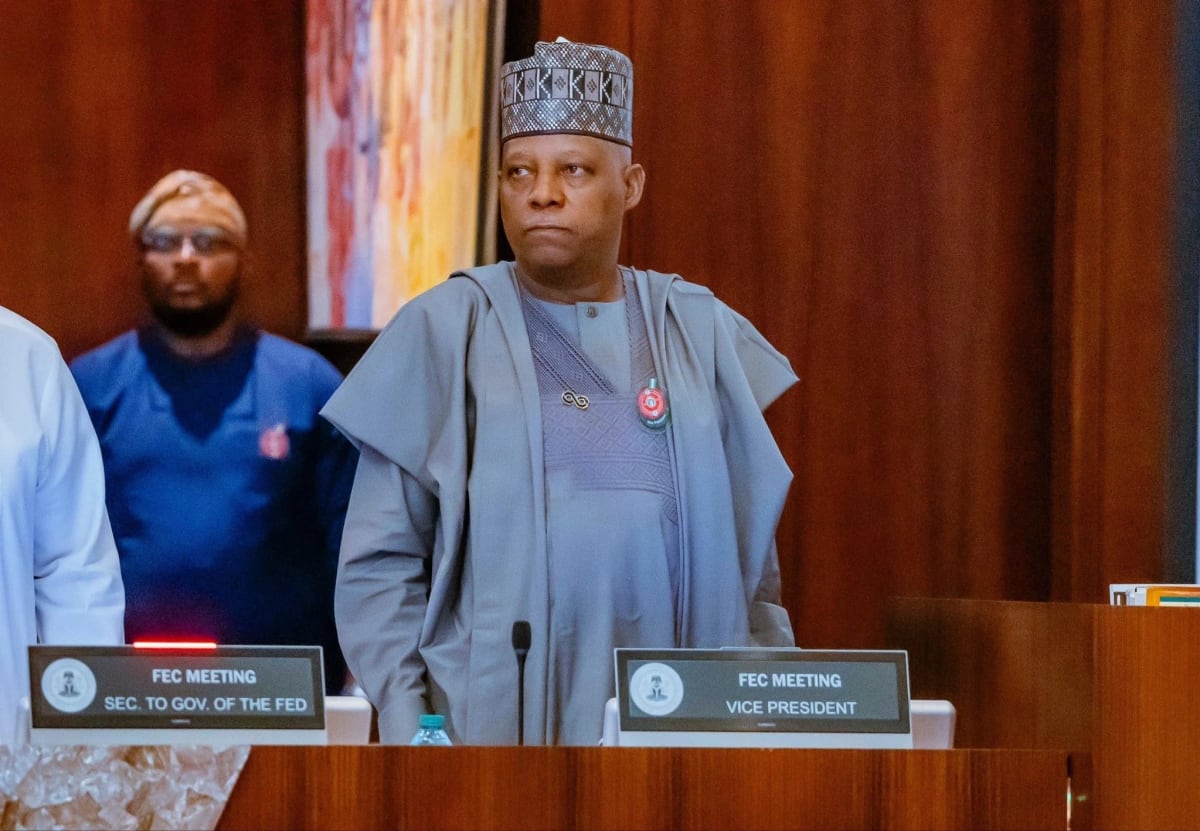
The National Economic Council (NEC) approved N83.21 billion to launch an Anticipatory Action Task Force aimed at mitigating the impact of flooding and other climate driven disasters across Nigeria. The decision was announced following the Council’s 158th meeting, presided over by Vice President Kashim Shettima. The task force is expected to focus on early warning systems, emergency preparedness, and rapid response mechanisms to protect lives and livelihoods.
However, reports indicate that the approved funding reflects a 50% cut to the original prevention budget. While the exact reasons for the reduction remain unclear, public health advocates warn that underfunding prevention efforts could undermine long term resilience, particularly in high risk states like Cross River, Kogi, and Bayelsa, where flooding has become an annual menace.
Why Public Health Officials Are Concerned
Flooding is a multifaceted public health threat. Beyond immediate drowning risks, stagnant water becomes a breeding ground for waterborne diseases such as cholera, typhoid, and leptospirosis. The 2022 floods, which affected 33 of Nigeria’s 36 states, displaced over 1.4 million people and contaminated water sources for millions more. The World Health Organization (WHO) has repeatedly flagged flooding as a catalyst for disease outbreaks, particularly in regions with weak sanitation infrastructure.
Climate scientists also warn that Nigeria’s flooding crisis is worsening due to a combination of heavier rainfall, poor urban planning, and deforestation. The Nigerian Meteorological Agency (NiMet) has predicted above average rainfall for 2024, heightening the urgency for preemptive action. Without adequate funding for prevention, emergency responses risk becoming reactive rather than strategic, straining already overburdened healthcare systems.
Who May Be Affected
The most vulnerable populations include:
- Rural communities: Often located in flood prone areas with limited access to healthcare or emergency services.
- Urban slum dwellers: Informal settlements in cities like Lagos and Port Harcourt face severe flooding due to poor drainage and unregulated construction.
- Children and the elderly: Higher susceptibility to waterborne illnesses and displacement related stress.
- Farmers and fishermen: Crop destruction and river pollution threaten food security and livelihoods.
Cross River State, mentioned in the NEC’s announcement, has been particularly hard hit in recent years, with entire villages submerged and critical infrastructure damaged. Similar patterns are observed in the Niger Delta, where oil spills compound flooding’s environmental and health impacts.
Government Response and Coordination Challenges
The Anticipatory Action Task Force is expected to work closely with the National Emergency Management Agency (NEMA), state governments, and international partners like the United Nations Office for the Coordination of Humanitarian Affairs (OCHA). However, past efforts have been hampered by bureaucratic delays, poor inter agency coordination, and mismanagement of funds. Transparency in disbursing the N83.21 billion will be critical to ensuring the money reaches frontline responders and affected communities.
Vice President Shettima’s office has not yet released a detailed breakdown of how the funds will be allocated, but priorities are likely to include:
- Early warning systems, including SMS alerts and community radio broadcasts.
- Pre positioning of relief materials such as food, clean water, and medical supplies.
- Training for local responders in search and rescue, first aid, and disease surveillance.
- Infrastructure repairs to damaged roads, bridges, and healthcare facilities.
Prevention and Safety Guidance
While government action is essential, individuals and communities can take steps to reduce risks:
- Stay informed: Monitor weather updates from NiMet and local authorities. Sign up for emergency alerts if available.
- Prepare an emergency kit: Include clean water, non perishable food, medications, flashlights, and important documents in waterproof containers.
- Avoid floodwaters: Never walk or drive through flooded areas. Just six inches of moving water can knock a person down, and two feet can sweep away a vehicle.
- Practice hygiene: Boil or treat water if contamination is suspected. Wash hands frequently to prevent disease spread.
- Elevate valuables: Move essential items to higher ground if flooding is predicted.
- Community planning: Identify safe evacuation routes and designate meeting points for families.
What Readers Should Know
The approval of the N83.21 billion fund is a welcome development, but its impact will depend on execution. Public health experts stress that flooding is not an isolated event but a recurring crisis that demands sustained investment in infrastructure, early warning systems, and community education. Nigerians in high risk areas should remain vigilant, particularly as the rainy season intensifies.
For those in flood prone regions, now is the time to prepare. Simple measures, such as clearing drainage channels and securing property, can save lives. Meanwhile, civil society groups and media outlets must hold authorities accountable for the transparent and efficient use of the allocated funds. The stakes are too high for half measures.
Key Takeaways
- Nigeria’s National Economic Council has approved N83.21 billion ($55 million) to establish an Anticipatory Action Task Force for flood and climate disaster mitigation.
- Flooding poses severe public health risks, including waterborne diseases, displacement, and infrastructure collapse, particularly in rural and urban slum communities.
- The task force’s success will depend on rapid deployment, transparency, and coordination with state agencies and international partners.
- Individuals can reduce risks by staying informed, preparing emergency kits, avoiding floodwaters, and practicing hygiene during and after flooding events.
- Long term resilience requires sustained investment in infrastructure, early warning systems, and community education to move beyond reactive emergency responses.
Frequently Asked Questions
Why is flooding a public health concern in Nigeria?
Flooding contaminates water sources, spreads waterborne diseases like cholera and typhoid, displaces communities, and damages healthcare infrastructure. Stagnant water also creates breeding grounds for mosquitoes, increasing malaria risks. The 2022 floods alone displaced over 1.4 million people and disrupted access to clean water for millions.
How will the N83.21 billion be used?
While full details are pending, the funds are expected to support early warning systems, pre positioning of relief materials, training for local responders, and repairs to critical infrastructure. The task force will likely prioritize high risk states and coordinate with NEMA and international partners.
What can individuals do to prepare for flooding?
Stay informed through weather updates, prepare an emergency kit with essentials, avoid floodwaters, practice hygiene to prevent disease, and elevate valuables. Communities should identify evacuation routes and designate meeting points for families.
Which areas of Nigeria are most at risk?
High risk states include Cross River, Kogi, Bayelsa, Rivers, and Delta, as well as urban slums in Lagos and Port Harcourt. The Niger Delta region faces compounded risks due to oil spills and poor drainage systems.
Why was the prevention fund reportedly cut by 50%?
The reasons for the reduction have not been officially explained. Public health advocates warn that underfunding prevention could lead to higher long term costs, as reactive emergency responses are often less effective and more expensive than proactive measures.
Medical Review: MedSense Editorial Board
























DISCUSSION (0)
POST A COMMENT