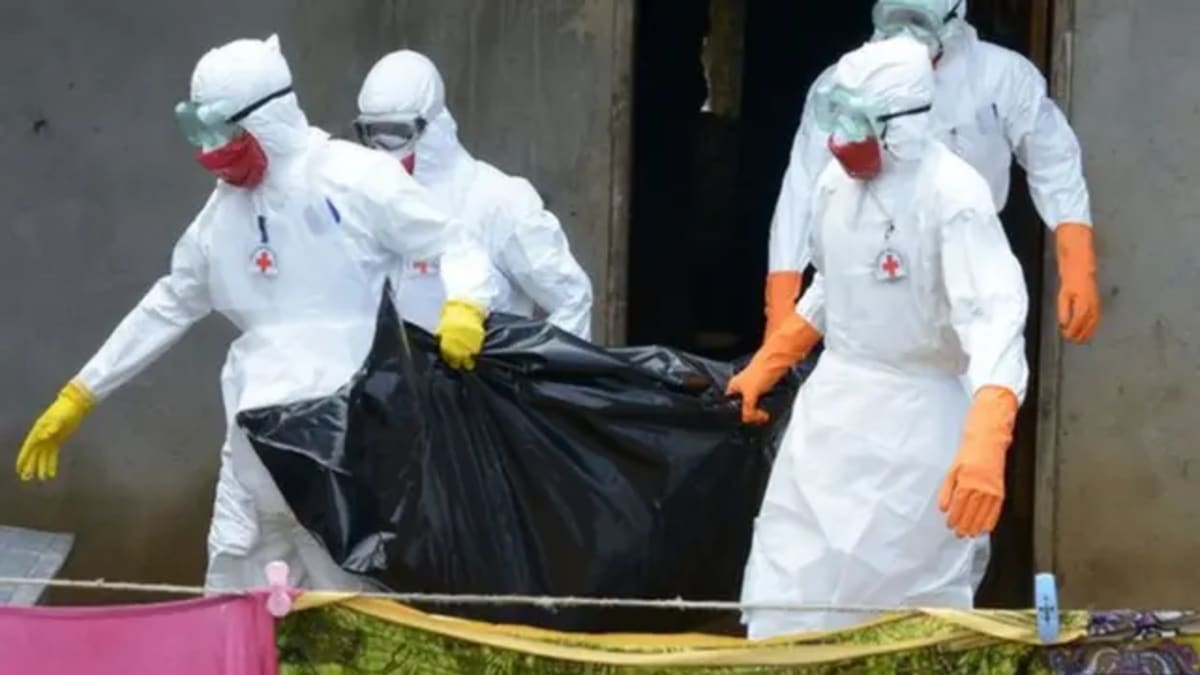
Nigeria has placed its entire public health infrastructure on high alert following growing concerns over a potential Ebola outbreak. The Federal Government announced on Tuesday that Emergency Operations Centres in every state have been activated and are now fully operational, signaling a proactive stance against the deadly viral disease. With Ebola resurfacing in neighboring regions and global travel patterns increasing cross border risks, health officials are emphasizing vigilance, rapid response, and community awareness as critical tools in preventing a national crisis. The move comes as part of a broader strategy to safeguard public health and ensure Nigeria remains prepared for emerging infectious threats.
What Happened
The Nigerian government has activated Emergency Operations Centres across all 36 states and the Federal Capital Territory in response to heightened concerns over Ebola. The decision, announced by Dr. Iziaq Salako, Minister of State for Health and Social Welfare, reflects a coordinated effort to strengthen disease surveillance, case detection, and emergency response capabilities. While no confirmed cases have been reported in Nigeria, the activation serves as a preemptive measure to prevent the virus from gaining a foothold in the country.
Why Public Health Officials Are Concerned
Ebola virus disease is one of the most lethal pathogens known to medicine, with fatality rates ranging from 25% to 90% depending on the outbreak and healthcare response. The disease spreads through direct contact with bodily fluids of infected individuals or contaminated surfaces, making early detection and isolation critical to containment. Recent reports of Ebola cases in Central and East Africa have raised alarms among Nigerian health authorities, particularly given the country’s high population density, frequent regional travel, and history of successfully combating the virus during the 2014 West Africa outbreak.
Symptoms or Risk Factors
Ebola typically presents with sudden onset of fever, fatigue, muscle pain, headache, and sore throat, often followed by vomiting, diarrhea, rash, and impaired kidney and liver function. In severe cases, internal and external bleeding may occur. The incubation period ranges from 2 to 21 days, during which an infected person may not show symptoms but can still transmit the virus. Healthcare workers, family members caring for sick individuals, and those handling deceased bodies are at highest risk of exposure.
Who May Be Affected
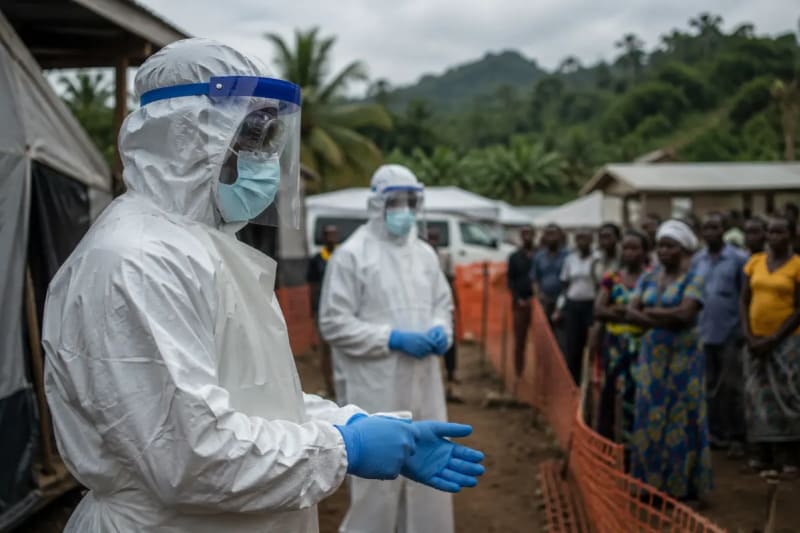
While the general population remains at low risk, certain groups face elevated vulnerability. These include frontline healthcare workers, laboratory personnel, travelers returning from Ebola affected regions, and communities with poor access to sanitation and healthcare. Nigeria’s large urban centers, such as Lagos and Abuja, are particularly sensitive due to high mobility and population density, which could accelerate transmission if the virus were introduced.
Government or WHO Response
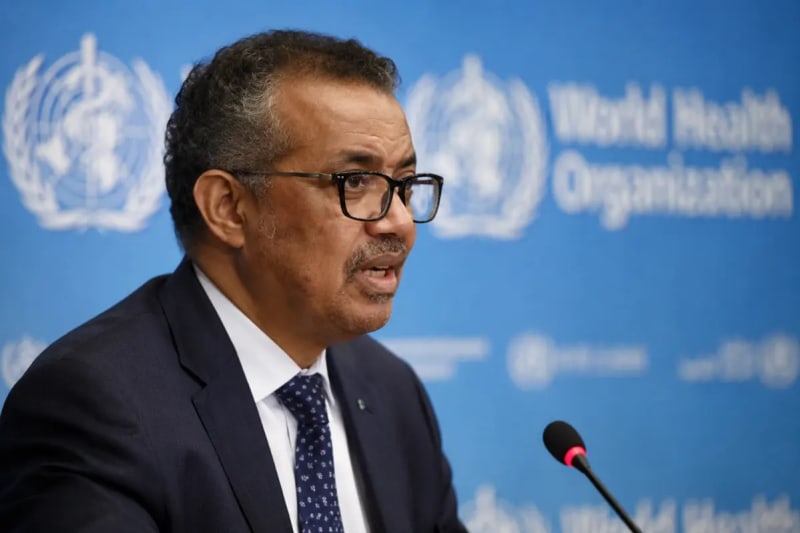
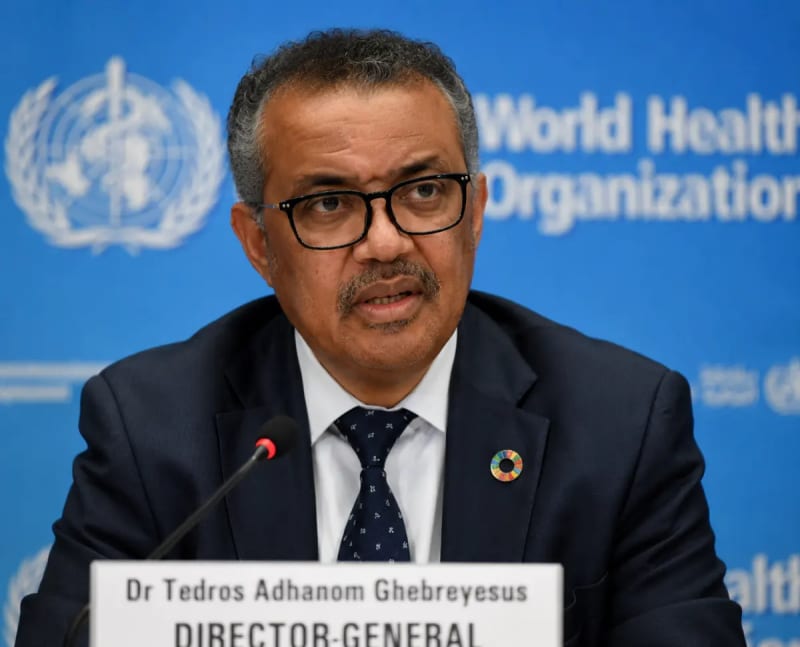
The Nigerian government’s activation of Emergency Operations Centres aligns with global best practices for outbreak preparedness. These centers serve as command hubs for coordinating surveillance, laboratory testing, contact tracing, risk communication, and logistics. The World Health Organization has previously commended Nigeria’s response to infectious disease threats, including its successful containment of Ebola in 2014 and polio eradication efforts. The WHO continues to monitor the regional situation and provides technical support to countries at risk.
Prevention and Safety Guidance
Public health officials urge Nigerians to adopt preventive measures to reduce the risk of Ebola transmission. These include:
- Regular handwashing with soap and water or use of alcohol based hand sanitizers.
- Avoiding direct contact with blood, bodily fluids, or tissues of infected individuals or animals.
- Refraining from handling bushmeat or consuming raw or undercooked animal products.
- Seeking immediate medical attention if symptoms develop, especially after travel to affected areas.
- Healthcare facilities are advised to implement standard infection prevention and control measures, including the use of personal protective equipment and safe burial practices.
What Readers Should Know
Nigeria’s proactive stance demonstrates a commitment to preventing another public health emergency. While the risk of an Ebola outbreak remains low, preparedness is key to ensuring rapid containment if the virus emerges. Citizens are encouraged to stay informed through official sources, avoid misinformation, and report any suspected cases to local health authorities. The government’s swift action serves as a reminder that vigilance and early intervention are the cornerstones of effective disease control.
Key Takeaways
- Nigeria has activated Emergency Operations Centres nationwide to prevent and respond to potential Ebola outbreaks.
- Ebola is a highly lethal virus with symptoms including fever, fatigue, vomiting, and in severe cases, internal bleeding.
- Healthcare workers and travelers from affected regions are at higher risk of exposure.
- Preventive measures include hand hygiene, avoiding contact with bodily fluids, and safe food handling practices.
- The government’s response aligns with global best practices and reflects lessons learned from past outbreaks.
Frequently Asked Questions
What is Ebola and how does it spread?
Ebola is a severe, often fatal viral disease that spreads through direct contact with the blood, secretions, organs, or other bodily fluids of infected people, as well as with surfaces and materials contaminated with these fluids. It does not spread through the air or water.
Has Nigeria had Ebola cases before?
Yes, Nigeria experienced an Ebola outbreak in 2014 when a traveler from Liberia introduced the virus. The country successfully contained the outbreak with only 20 confirmed cases and 8 deaths, thanks to rapid response and effective public health measures.
What should I do if I suspect someone has Ebola?
Avoid direct contact with the person and immediately notify local health authorities or call the Nigeria Centre for Disease Control hotline. Do not attempt to transport or care for the individual without proper protective equipment.
Are there vaccines or treatments for Ebola?
Yes, there are two licensed vaccines for Ebola, including Ervebo, which was used during recent outbreaks in the Democratic Republic of Congo. Several experimental treatments, such as monoclonal antibodies, have also shown promise in reducing mortality when administered early.
How can I stay updated on Ebola developments in Nigeria?
Follow official sources such as the Nigeria Centre for Disease Control, the Federal Ministry of Health, and the World Health Organization. Avoid relying on unverified social media posts or rumors.
Medical Review: MedSense Editorial Board











DISCUSSION (0)
POST A COMMENT