
What Happened
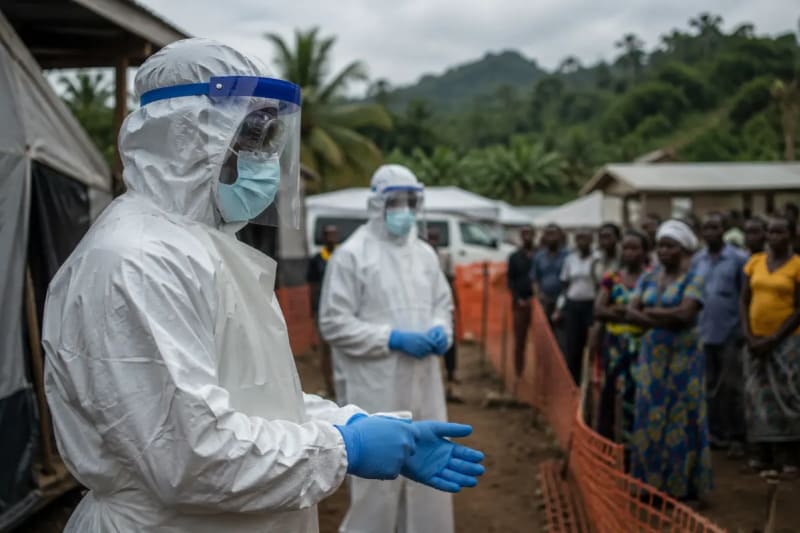
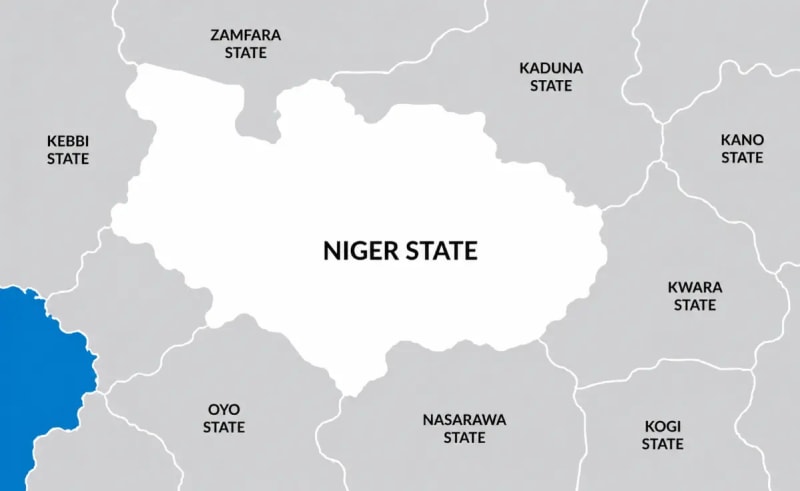
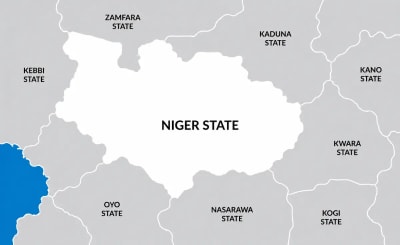
Niger State’s Ministry of Health confirmed three new polio cases in Mariga and Magama Local Government Areas, marking a rare but alarming resurgence of a disease once on the brink of global eradication. Simultaneously, diphtheria cases have emerged in Bida, Chanchaga, and Suleja, adding to the state’s growing infectious disease burden. Health officials have responded by deploying rapid response teams, expanding surveillance networks, and launching targeted vaccination campaigns in affected and high risk communities.
Why Public Health Officials Are Concerned
Polio and diphtheria are both vaccine preventable diseases, yet their reappearance suggests critical weaknesses in routine immunization programs. Polio, a highly contagious viral infection that can cause irreversible paralysis, was nearly eliminated in Nigeria following decades of intensive vaccination efforts. The recent cases in Niger State, however, indicate that pockets of unvaccinated children remain, creating opportunities for the virus to circulate. Diphtheria, a bacterial infection that can lead to severe respiratory complications and death, has similarly resurged in Nigeria in recent years, with outbreaks reported in multiple states. Both diseases thrive in settings where vaccination rates fall below the threshold needed for herd immunity.
Symptoms or Risk Factors
Polio: Early symptoms include fever, fatigue, headache, vomiting, and stiffness in the neck and limbs. In severe cases, the virus can invade the nervous system, leading to paralysis within hours. Children under five are at highest risk, particularly those who are unvaccinated or living in areas with poor sanitation.
Diphtheria: The disease typically begins with a sore throat, low grade fever, and swollen glands in the neck. A thick, gray membrane may form in the throat, obstructing breathing and swallowing. Complications can include heart failure, nerve damage, and death, especially in unvaccinated individuals. Infants, young children, and adults with weakened immune systems are most vulnerable.
Who May Be Affected
The outbreaks disproportionately impact children under five, who are most susceptible to severe outcomes from both polio and diphtheria. However, adolescents and adults who missed routine vaccinations or live in crowded, unsanitary conditions are also at risk. Communities with low immunization coverage, limited healthcare access, or ongoing displacement due to conflict or economic hardship face the greatest threat. Health officials emphasize that the outbreaks could spread rapidly if vaccination gaps are not urgently addressed.
Government or WHO Response
Niger State’s health authorities, in collaboration with the Nigeria Centre for Disease Control and Prevention (NCDC) and international partners such as the World Health Organization (WHO) and UNICEF, have ramped up response efforts. Key measures include:
- Expanding disease surveillance to detect and report new cases promptly.
- Conducting targeted vaccination campaigns in affected and high risk areas.
- Mobilizing community health workers to educate families on the importance of vaccination and early symptom recognition.
- Strengthening infection control practices in healthcare facilities to prevent nosocomial transmission.
- Coordinating with neighboring states to monitor cross border movement and prevent further spread.
The WHO has reiterated its support for Nigeria’s polio eradication efforts, noting that the country remains at risk of outbreaks until vaccination coverage reaches at least 95% in every community. For diphtheria, the NCDC has urged states to prioritize vaccination and ensure the availability of antitoxins and antibiotics in healthcare facilities.
Prevention and Safety Guidance
The most effective way to prevent polio and diphtheria is through vaccination. Health authorities recommend the following steps:
- Vaccination: Ensure children receive all recommended doses of the polio vaccine (oral or injectable) and the diphtheria, tetanus, and pertussis (DPT) vaccine. Catch up vaccination campaigns are available for those who missed doses.
- Hygiene: Practice good hand hygiene, especially after using the toilet and before eating. Polio spreads through contaminated water or food, while diphtheria spreads through respiratory droplets or direct contact with infected individuals.
- Isolation: Individuals with symptoms of diphtheria should isolate immediately and seek medical care. Early treatment with antitoxins and antibiotics can prevent severe complications.
- Community Awareness: Report suspected cases to local health authorities. Community leaders and religious figures are encouraged to support vaccination efforts and dispel myths about vaccines.
What Readers Should Know
These outbreaks serve as a stark reminder of the fragility of public health gains, particularly in regions where vaccination coverage has stagnated or declined. While Nigeria was certified wild polio free in 2020, the recent cases underscore the ongoing risk of vaccine derived polio outbreaks in areas with low immunization rates. For diphtheria, the country has faced recurrent outbreaks since 2022, with thousands of cases and hundreds of deaths reported. The situation in Niger State highlights the urgent need for sustained investment in routine immunization, disease surveillance, and healthcare infrastructure to protect vulnerable populations from preventable diseases.
Parents and caregivers are urged to verify their children’s vaccination status and seek medical advice if doses have been missed. Health facilities across Niger State are offering free vaccination services, and community health workers are available to provide guidance. In the face of these outbreaks, collective action, from individuals, communities, and governments, is essential to prevent further loss of life and safeguard public health.
Key Takeaways
- Niger State has confirmed three new polio cases and multiple diphtheria infections, triggering an urgent public health response.
- Both diseases are vaccine preventable, but their resurgence points to critical gaps in immunization coverage and healthcare access.
- Children under five are at highest risk, though unvaccinated adolescents and adults are also vulnerable, particularly in crowded or unsanitary conditions.
- Health authorities are scaling up surveillance, vaccination campaigns, and community education to contain the outbreaks and prevent wider spread.
- Vaccination remains the most effective prevention tool, alongside good hygiene practices and prompt medical care for suspected cases.
Frequently Asked Questions
What are the symptoms of polio and diphtheria?
Polio symptoms include fever, fatigue, headache, vomiting, and stiffness in the neck and limbs. In severe cases, it can cause paralysis. Diphtheria typically presents with a sore throat, low grade fever, swollen glands, and a thick gray membrane in the throat that can obstruct breathing.
How can I protect my family from these diseases?
The best protection is vaccination. Ensure your children receive all recommended doses of the polio and DPT vaccines. Practice good hand hygiene, avoid contact with infected individuals, and seek medical care immediately if symptoms appear.
Are vaccines for polio and diphtheria safe?
Yes. Vaccines for polio and diphtheria have been rigorously tested and are proven to be safe and effective. They are a critical tool in preventing outbreaks and saving lives.
What should I do if I suspect someone has diphtheria?
Isolate the individual immediately and seek medical care. Early treatment with antitoxins and antibiotics can prevent severe complications. Report the case to local health authorities to help contain the spread.
Why are these diseases resurfacing in Nigeria?
The resurgence is largely due to gaps in vaccination coverage, which have left communities vulnerable to outbreaks. Factors such as misinformation about vaccines, healthcare access barriers, and displacement due to conflict or economic hardship have contributed to these gaps.
Medical Review: MedSense Editorial Board












DISCUSSION (0)
POST A COMMENT