
What Happened
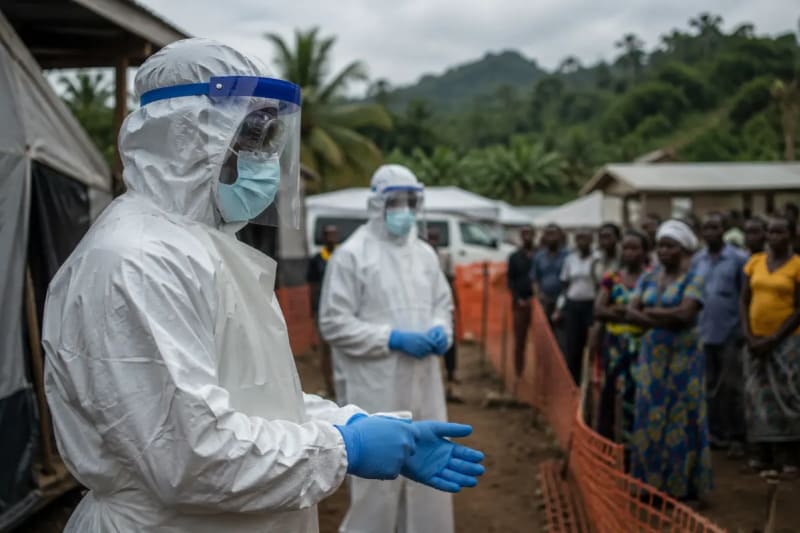
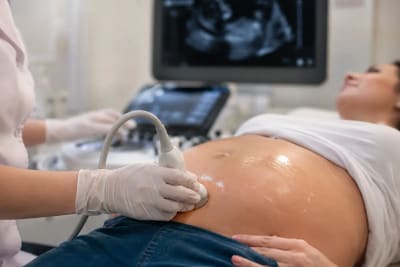
The Niger Delta Development Commission (NDDC) has donated a range of medical equipment to the Model Primary Health Care Centre in Orogbum Community, Port Harcourt Local Government Area of Rivers State. The equipment, though not fully itemized in public statements, is expected to include essential diagnostic and treatment devices such as blood pressure monitors, weighing scales, sterilization units, delivery kits, and basic laboratory tools. These resources are critical for supporting routine antenatal care, child immunization, infectious disease management, and emergency stabilization in primary care settings.
Why Public Health Officials Are Concerned
The Niger Delta region has long struggled with healthcare disparities, characterized by under resourced facilities, limited skilled personnel, and high rates of preventable diseases. According to the Nigeria Demographic and Health Survey, primary health centres in rural and peri urban areas often lack basic equipment, forcing patients to travel long distances for care or forgo treatment altogether. This gap contributes to elevated maternal and infant mortality rates, delayed disease detection, and poor health outcomes. The NDDC’s donation is a direct response to these systemic challenges, aiming to improve service delivery at the community level where the majority of Nigerians seek care.
Who May Be Affected
The primary beneficiaries of this initiative are the estimated 20,000 residents of Orogbum and surrounding communities who rely on the Model Primary Health Care Centre for routine and emergency care. The facility serves a predominantly low income population, including pregnant women, children under five, and elderly individuals with chronic conditions. By equipping the centre with functional medical tools, the NDDC is helping to reduce barriers to care, particularly for vulnerable groups who may lack the means to access private or tertiary facilities.
Government and Institutional Response
The NDDC stated that the donation is part of its broader mandate to enhance social infrastructure and human development in the Niger Delta. In a public statement, the Commission emphasized its commitment to improving healthcare access as a cornerstone of regional development. While no specific funding figures were disclosed, the initiative aligns with national health policies aimed at revitalizing primary healthcare under the Basic Health Care Provision Fund. Local health authorities in Rivers State have welcomed the support, noting that such partnerships are essential for sustaining service delivery in resource constrained settings.
Prevention and Safety Guidance
For residents of Orogbum and neighboring communities, the upgraded health centre offers an opportunity to access timely and reliable care. Public health experts recommend that community members take advantage of the improved services by:
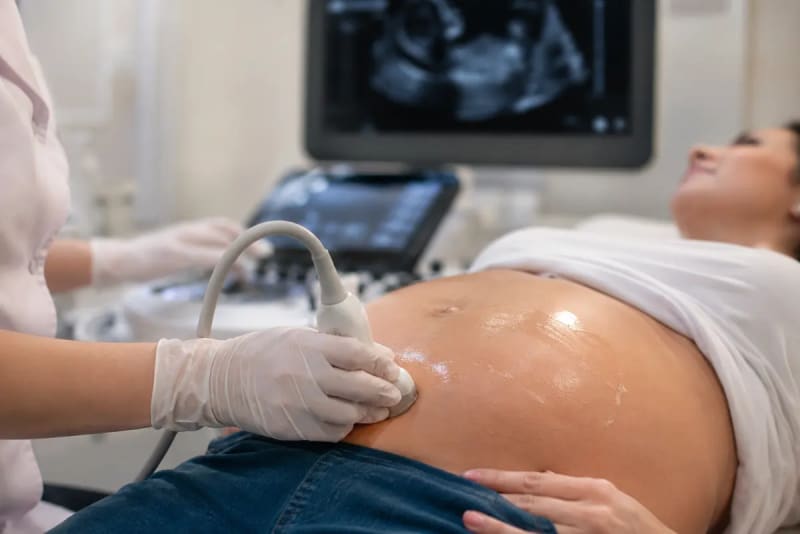
- Scheduling regular antenatal visits for pregnant women to monitor fetal and maternal health.
- Ensuring children receive all recommended vaccinations on schedule.
- Seeking early medical attention for symptoms of common illnesses such as malaria, respiratory infections, and diarrheal diseases.
- Participating in community health education programs often conducted at primary care centres.
What Readers Should Know
This donation highlights the critical role of targeted infrastructure investments in closing healthcare gaps. While equipment is a vital first step, sustained impact will depend on ongoing maintenance, staff training, and supply chain support. Residents are encouraged to engage with local health committees to ensure the new resources are used effectively and transparently. For those outside the Niger Delta, the initiative serves as a model of how development agencies can partner with communities to strengthen primary healthcare systems and improve population health outcomes.
Key Takeaways
- The NDDC has donated essential medical equipment to a primary health centre in Port Harcourt to improve healthcare access in the Niger Delta.
- The initiative targets underserved communities with high rates of preventable diseases and limited access to diagnostic and treatment tools.
- Sustained impact will require ongoing support, including staff training, equipment maintenance, and community engagement.
Frequently Asked Questions
What types of medical equipment were donated?
While the full list was not publicly disclosed, typical donations to primary health centres include blood pressure monitors, weighing scales, sterilization equipment, delivery kits, and basic laboratory tools for testing.
How will this donation improve healthcare in Orogbum?
The new equipment will enable the health centre to provide better antenatal care, child immunization, infectious disease management, and emergency stabilization, reducing the need for patients to travel long distances for basic care.
Is this part of a larger healthcare initiative in the Niger Delta?
Yes, the NDDC has stated that this donation is part of its broader efforts to strengthen healthcare infrastructure and improve access to quality care across the Niger Delta region.
What challenges might the health centre face after receiving the equipment?
Potential challenges include ensuring proper maintenance of the equipment, training staff to use new devices, and securing a steady supply of consumables such as test kits and medications.
Medical Review: MedSense Editorial Board











DISCUSSION (0)
POST A COMMENT