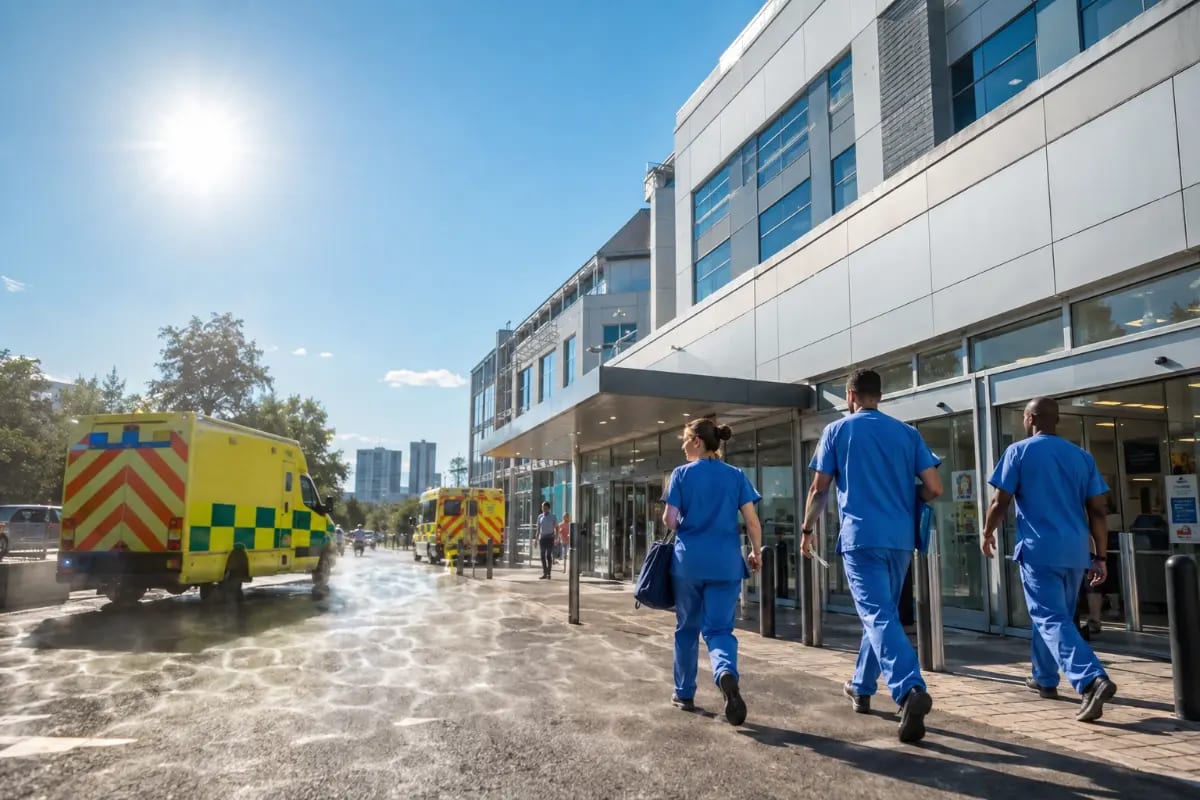
The NHS must adopt annual heatwave preparedness plans similar to winter strategies, UK Health Secretary Yvette Cooper has urged. The call follows a surge in A&E visits linked to extreme heat, equipment failures in hospitals, and testimonies from ambulance workers describing dangerous working conditions. With the UK already matching its record for 30°C days and heat related deaths nearly doubling this year, experts warn 2026 could see the highest heat associated fatalities on record.
What To Know
The UK Health Secretary has demanded the NHS implement annual heatwave preparedness plans after hospitals reported a sharp rise in emergency admissions and equipment failures during this summer's extreme temperatures.
Yvette Cooper told LBC Radio that A&E departments were experiencing patient surges typically seen only during winter. She highlighted the need for better prevention measures to protect elderly and vulnerable populations, as well as improved hospital discharge processes to manage capacity.
The warning comes as the UK matches its 1995 record of 34 days reaching 30°C or higher this year, with forecasts suggesting this could be surpassed next week. Yellow heat warnings are already in effect across several regions.
Why This Matters
Heatwaves are no longer exceptional events but a recurring public health challenge. The UK Health Security Agency reported an estimated 2,877 heat related deaths during May and June alone, nearly double last year's total. Experts warn 2026 could break records for heat associated fatalities, surpassing 2022 levels when monitoring began.
Chronic conditions like heart, kidney and respiratory diseases become significantly more dangerous during extreme heat. Hospitals have reported equipment failures including scanners and IT systems, while staff struggle in older facilities lacking proper cooling.
Frontline Challenges
Ambulance workers have described working conditions as "vile" during recent heatwaves. Union testimonies reveal crews operating in vehicles with faulty or absent air conditioning, often without adequate water or toilet access. One Birmingham technician reported performing 40 minute CPR sessions in extreme heat, calling the experience "ten times harder" than normal conditions.
Unison ambulance national officer Sharan Bandesha stated: "Ambulance services have well established plans for winter. It's increasingly clear they're needed for summer too." The union reports crews queuing for hours outside hospitals to hand over patients in stifling temperatures, wearing the same uniforms designed for winter conditions.
Public Health Response
Cooper emphasized the need for both immediate response measures and long term prevention strategies. This includes ensuring hospitals can handle increased patient volumes while maintaining safe discharge processes. The health secretary also stressed community vigilance, urging people to check on elderly and vulnerable neighbors during heatwaves.
The UKHSA's preliminary assessment suggests current trends could make 2026 the deadliest year for heat related mortality since records began. With climate projections indicating more frequent and intense heatwaves, health officials warn that current response systems are inadequate for future demands.
Key Takeaways
- NHS faces winter level patient surges during heatwaves, with A&E admissions and equipment failures straining services
- Heat related deaths nearly doubled this year, with 2026 potentially setting new records for heat associated fatalities
- Ambulance crews report dangerous working conditions including faulty air conditioning and prolonged patient handover delays in extreme heat
Frequently Asked Questions
What are the main health risks during heatwaves?
Heatwaves primarily increase risks for dehydration, heatstroke, and complications from chronic conditions like heart, kidney and respiratory diseases. Elderly and vulnerable populations are most affected.
How can I help vulnerable people during extreme heat?
Check on elderly neighbors, ensure they have access to cool spaces and hydration. Watch for signs of heat exhaustion including dizziness, nausea, or confusion. Seek medical help if symptoms worsen.
What changes is the NHS being asked to make?
The health secretary wants annual heatwave preparedness plans including surge capacity management, equipment maintenance protocols, and improved discharge processes to handle increased patient volumes during extreme heat.
Published by O. Ayodeji | Review by MedSense Editorial Board





















DISCUSSION (0)
POST A COMMENT