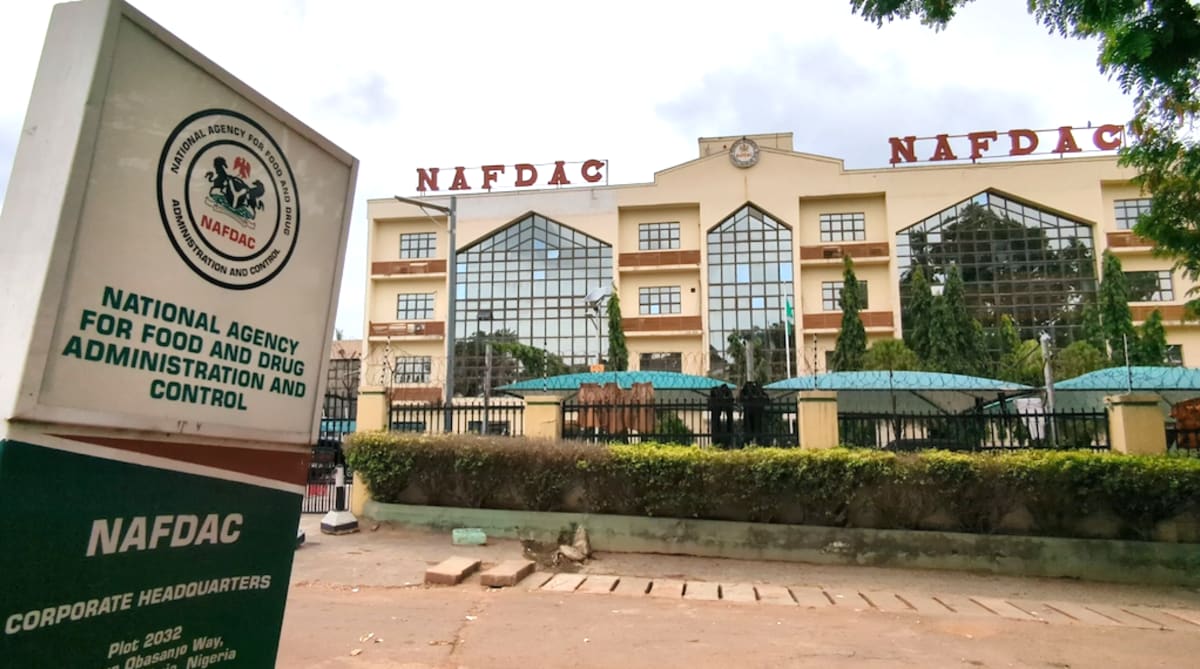
Nigerian health authorities have raised alarms over the possible circulation of banned alcoholic energy drinks in local markets, following a major seizure by Ghanaian regulators. The National Agency for Food and Drug Administration and Control (NAFDAC) issued a public alert this week, confirming that approximately 140 boxes of these prohibited products were confiscated during enforcement operations in Ghana. While the drinks were intercepted before reaching Nigerian consumers, officials warn that similar products may already be slipping through porous borders or being sold through unregulated channels. The alert comes amid growing global concern over the health risks posed by alcoholic energy drinks, which combine stimulants like caffeine with depressants such as alcohol. Public health experts have long warned that these combinations can mask intoxication, leading to dangerous levels of alcohol consumption, impaired judgment, and increased risk of accidents or alcohol poisoning. With Nigeria’s large youth population and rising energy drink consumption, the potential for harm is particularly acute.
What Happened
The National Agency for Food and Drug Administration and Control (NAFDAC) issued a public alert on its official website, notifying Nigerians about the seizure of 140 boxes of banned alcoholic energy drinks by Ghanaian authorities. The products, which combine alcohol with high levels of caffeine and other stimulants, were intercepted during routine regulatory enforcement. NAFDAC’s alert suggests that while the specific batch was seized in Ghana, there is a risk that similar products may be entering Nigerian markets through informal trade routes or unregistered vendors.
Why Public Health Officials Are Concerned
Alcoholic energy drinks pose a unique and well documented public health threat. The combination of alcohol, a central nervous system depressant, with caffeine and other stimulants creates a dangerous physiological conflict. Caffeine can mask the sedative effects of alcohol, leading consumers to underestimate their level of intoxication. This increases the likelihood of excessive alcohol consumption, impaired coordination, risky behaviors, and acute alcohol poisoning.
Studies have shown that individuals who consume alcoholic energy drinks are more likely to engage in hazardous activities, such as drunk driving or unprotected sex, compared to those who consume alcohol alone. The World Health Organization (WHO) and several national health agencies, including the U.S. Food and Drug Administration (FDA), have previously banned or restricted the sale of pre mixed alcoholic energy drinks due to these risks. The European Union and several African nations have also implemented strict regulations or outright bans on such products.
Who May Be Affected
While alcoholic energy drinks appeal to a broad demographic, young adults and adolescents are particularly vulnerable. Nigeria’s youth population, which accounts for a significant portion of the country’s energy drink consumers, faces heightened risks due to limited awareness of the dangers and a tendency toward experimentation. Additionally, individuals who frequent nightlife venues, students, and those in high pressure work environments may be more likely to consume these products, often in an attempt to stay alert while drinking.
Consumers who purchase beverages from unregulated markets, street vendors, or online platforms without proper verification are at greater risk of encountering counterfeit or banned products. NAFDAC’s alert underscores the importance of purchasing only registered and properly labeled drinks from authorized retailers.
Government Response
NAFDAC has not yet confirmed the presence of the seized products in Nigeria but is actively monitoring the situation. The agency has urged importers, distributors, and retailers to comply with existing regulations, which prohibit the sale of unregistered or banned food and beverage products. NAFDAC also called on the public to report any suspicious products or vendors to its enforcement teams through its toll free number or mobile reporting platform.
In Ghana, the Food and Drugs Authority (FDA) has intensified border surveillance and market inspections to prevent the re entry of the banned drinks. Both countries are part of regional efforts to harmonize food and drug regulations under the Economic Community of West African States (ECOWAS), though enforcement remains a challenge due to cross border smuggling and weak regulatory coordination in some areas.
Prevention and Safety Guidance
Consumers can take several steps to protect themselves from the risks associated with alcoholic energy drinks:
- Avoid pre mixed alcoholic energy drinks: Opt for separate consumption of alcohol and energy drinks, if at all, and be mindful of the risks of combining them.
- Check product registration: Purchase only beverages that display a valid NAFDAC registration number on the label. This number can be verified on NAFDAC’s official website or via its mobile app.
- Buy from authorized retailers: Avoid purchasing drinks from street vendors, unregistered online sellers, or informal markets where product authenticity cannot be guaranteed.
- Read labels carefully: Be wary of products with unusually high caffeine content, unfamiliar brand names, or labels that do not clearly list ingredients and alcohol percentage.
- Report suspicious products: If you encounter a product that appears to be unregistered or banned, report it to NAFDAC immediately via its toll free line (0800 1 NAFDAC) or through the agency’s mobile reporting platform.
- Educate vulnerable groups: Parents, educators, and community leaders should raise awareness among young adults and adolescents about the dangers of mixing alcohol with energy drinks.
What Readers Should Know
The circulation of banned alcoholic energy drinks is not just a regulatory issue but a significant public health concern. The risks associated with these products are well established, and their presence in markets, whether through smuggling or weak enforcement, underscores the need for stronger cross border cooperation and consumer vigilance. While NAFDAC’s alert is a critical first step, sustained public awareness and strict enforcement will be essential to preventing harm.
For now, consumers are advised to treat energy drinks and alcohol as separate entities. Mixing them, whether intentionally or inadvertently, can have serious and unpredictable consequences. Staying informed, verifying product authenticity, and reporting suspicious activity are simple but effective ways to protect yourself and your community.
Key Takeaways
- NAFDAC has alerted Nigerians to the potential circulation of banned alcoholic energy drinks following a seizure of 140 boxes in Ghana.
- Alcoholic energy drinks combine stimulants and depressants, masking intoxication and increasing risks of alcohol poisoning, accidents, and risky behaviors.
- Young adults and consumers purchasing from unregulated sources are at higher risk of encountering these banned products.
- NAFDAC urges the public to buy only registered products from authorized retailers and report suspicious drinks immediately.
- Avoid mixing alcohol and energy drinks, and always verify product registration to stay safe.
Frequently Asked Questions
What are alcoholic energy drinks, and why are they dangerous?
Alcoholic energy drinks are beverages that combine alcohol with high levels of caffeine and other stimulants. The danger lies in the conflicting effects of these substances: alcohol is a depressant that slows brain activity, while caffeine is a stimulant that increases alertness. This combination can mask the feeling of intoxication, leading individuals to consume more alcohol than they realize, increasing the risk of alcohol poisoning, accidents, and impaired judgment.
How can I tell if an energy drink or alcoholic beverage is registered and safe to consume?
Registered products in Nigeria must display a valid NAFDAC registration number on the label. You can verify this number on NAFDAC’s official website or through its mobile app. Additionally, check for clear ingredient lists, manufacturer details, and proper labeling. Avoid products with vague or missing information, or those sold by unregistered vendors.
What should I do if I suspect a product is unregistered or banned?
If you encounter a product that appears to be unregistered, counterfeit, or banned, do not consume it. Report the product and the vendor to NAFDAC immediately via its toll free line (0800 1 NAFDAC) or through the agency’s mobile reporting platform. Providing details such as the product name, batch number, and location of purchase can help authorities take swift action.
Are there safe alternatives to alcoholic energy drinks?
Yes. If you choose to consume alcohol, do so separately from energy drinks. Opt for standard alcoholic beverages with clear labeling and known alcohol content. If you need an energy boost, consider non alcoholic energy drinks or natural alternatives like water, herbal teas, or fruit juices. Always prioritize products that are registered and sold by authorized retailers.
Why are young adults particularly at risk from these products?
Young adults are often the target market for energy drinks and may be more likely to experiment with mixing them with alcohol. They may also have less experience with alcohol, making them more susceptible to misjudging their level of intoxication. Additionally, peer pressure and social settings, such as parties or nightlife venues, can increase the likelihood of consuming these risky combinations.
Medical Review: MedSense Editorial Board
























DISCUSSION (0)
POST A COMMENT