What Happened
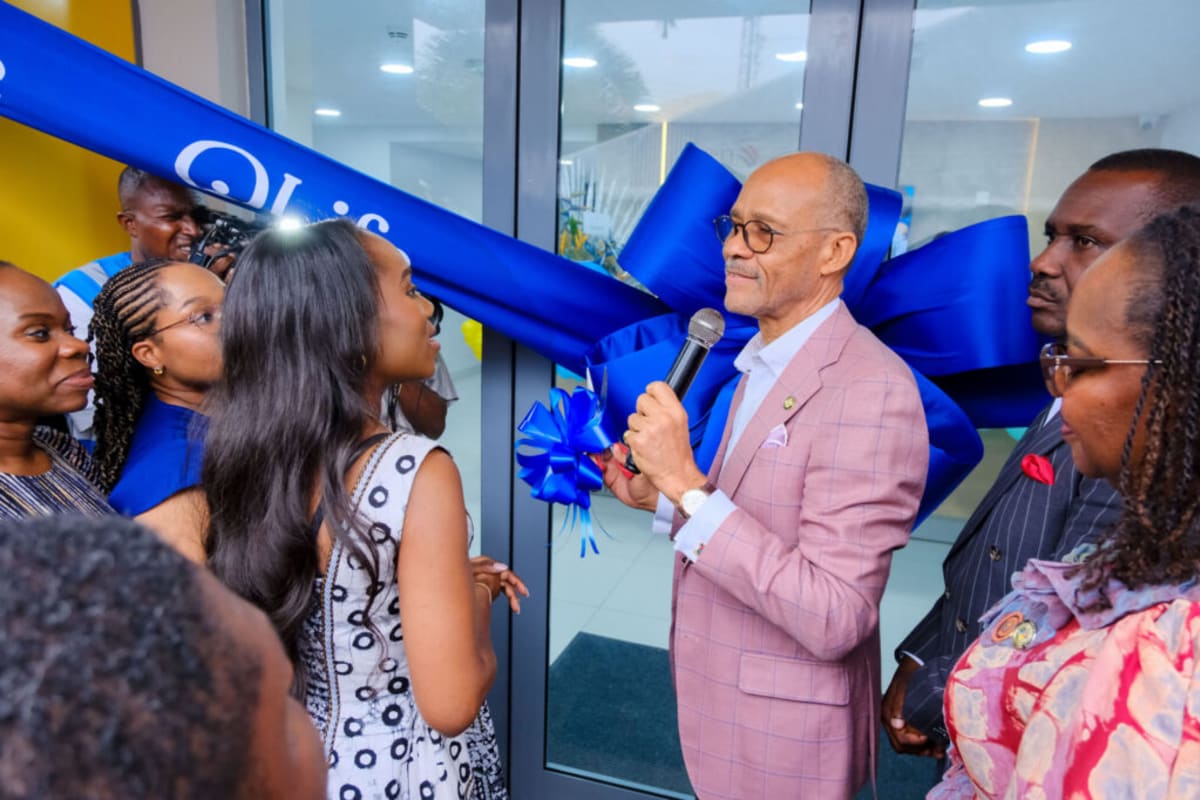
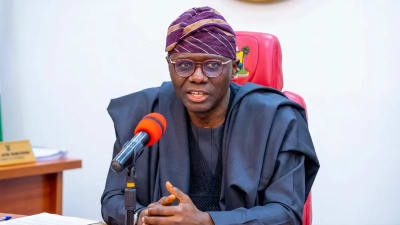
During a recent health sector review, Lagos State Commissioner for Health Akin Abayomi disclosed that the state currently falls short of the World Health Organization’s recommended ratio of family physicians to population. While global benchmarks suggest one family doctor per 1,000 to 2,000 people, Lagos, with an estimated population exceeding 20 million, would need approximately 30,000 family physicians to meet even the most conservative targets. The revelation underscores a systemic challenge in Nigeria’s healthcare workforce, where primary care remains underprioritized compared to specialized and tertiary services.
Why Public Health Officials Are Concerned
The shortage of family doctors carries far reaching implications for Lagos’s healthcare system. Family physicians serve as the first point of contact for patients, managing chronic conditions, providing preventive care, and reducing the burden on hospitals. Without adequate numbers, residents, particularly in underserved communities, face longer wait times, delayed diagnoses, and increased reliance on emergency services for non urgent care. The deficit also exacerbates health disparities, as low income populations, who depend heavily on public primary care clinics, bear the brunt of the shortage. Public health experts warn that without intervention, the gap could hinder progress toward universal health coverage, a key target of Nigeria’s National Health Act.
Who May Be Affected
The impact of the shortage is felt most acutely in Lagos’s densely populated and economically disadvantaged areas, where access to private healthcare is limited. Vulnerable groups, including children, the elderly, and individuals with chronic illnesses such as diabetes and hypertension, are at heightened risk of delayed or inadequate care. Healthcare workers in public facilities are also affected, as understaffing leads to burnout and reduced quality of service. Additionally, medical students and early career doctors may be deterred from entering family medicine due to limited training opportunities, competitive salaries in other specialties, and the perception of primary care as less prestigious.
Government Response and Policy Context
The Lagos State government has acknowledged the shortage as a critical barrier to healthcare delivery and has begun exploring strategies to address it. Efforts include expanding medical education through partnerships with universities and teaching hospitals, incentivizing family medicine training with scholarships and loan forgiveness programs, and improving working conditions in public primary care centers. However, systemic challenges persist, including funding constraints, brain drain of healthcare professionals to higher paying markets abroad, and the need for broader health sector reforms. The state’s Health Sector Reform Law, enacted in 2022, aims to strengthen primary care, but implementation remains uneven.
Prevention and Safety Guidance
While systemic solutions are needed, residents can take steps to navigate the current healthcare landscape. Patients are encouraged to:
- Register with a primary care provider early to establish continuity of care, even if wait times are long.
- Utilize community health centers and public clinics for routine check ups and preventive services.
- Leverage telemedicine platforms, where available, for non emergency consultations to reduce pressure on in person services.
- Advocate for improved healthcare access by engaging with local health committees and community leaders.
What Readers Should Know
The shortage of family doctors in Lagos is not an isolated issue but reflects broader challenges in Nigeria’s healthcare system, including workforce distribution, medical education, and health financing. Addressing the gap will require sustained investment in primary care, policy reforms to retain medical talent, and public private partnerships to expand service delivery. For residents, awareness of available resources and proactive health management can help mitigate the impact of the shortage. As Lagos continues to grow, the urgency of building a robust primary care workforce has never been clearer, both for the city’s health security and its economic future.
Key Takeaways
- Lagos State requires an additional 30,000 family physicians to meet global healthcare standards, exposing a critical gap in primary care access.
- The shortage disproportionately affects low income populations, children, the elderly, and individuals with chronic conditions, exacerbating health inequities.
- Government efforts to address the deficit include expanding medical education, incentivizing family medicine training, and improving working conditions in public clinics.
- Residents can navigate the shortage by registering with primary care providers early, utilizing community health centers, and exploring telemedicine options.
- Systemic solutions, such as health sector reforms and workforce retention policies, are essential to closing the gap and achieving universal health coverage.
Frequently Asked Questions
Why does Lagos need 30,000 more family doctors?
Lagos has a population of over 20 million people, but it currently falls far short of the World Health Organization’s recommended ratio of one family doctor per 1,000 to 2,000 residents. To meet even the most conservative global standards, the state would need approximately 30,000 additional family physicians to ensure adequate primary care access for all residents.
How does the shortage of family doctors affect healthcare in Lagos?
The shortage leads to longer wait times, delayed diagnoses, and increased pressure on emergency services for non urgent care. It also worsens health disparities, as underserved communities, who rely on public primary care clinics, face greater barriers to accessing timely and quality healthcare.
What is the Lagos State government doing to address the shortage?
The government is exploring several strategies, including expanding medical education through partnerships with universities, offering scholarships and loan forgiveness programs to incentivize family medicine training, and improving working conditions in public primary care centers. However, challenges such as funding constraints and brain drain persist.
What can residents do to manage their healthcare despite the shortage?
Residents can register with a primary care provider early, use community health centers for routine check ups, and explore telemedicine options for non emergency consultations. Advocating for improved healthcare access through local health committees can also help drive change.
Is this shortage unique to Lagos, or is it a national issue?
While Lagos’s shortage is particularly acute due to its large population, the issue reflects broader challenges in Nigeria’s healthcare system, including uneven workforce distribution, limited investment in primary care, and the migration of medical professionals to higher paying markets abroad.
Medical Review: MedSense Editorial Board














DISCUSSION (0)
POST A COMMENT