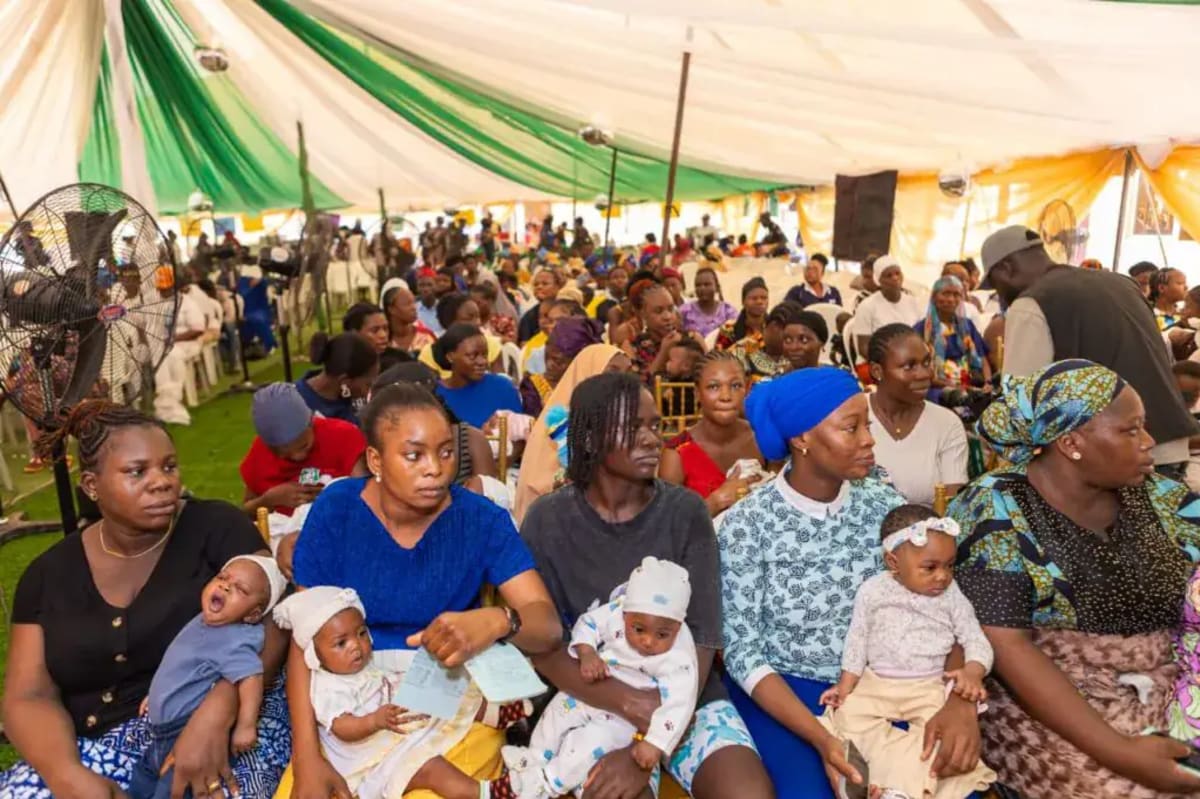
Lagos State, in partnership with UNICEF, has launched a large scale campaign to address malnutrition among three million children under five. The initiative aims to improve nutrition access, reduce stunting, and enhance child survival rates through community based interventions, health education, and policy support. With malnutrition remaining a critical public health challenge in Nigeria, this effort aligns with global targets to reduce child undernutrition by 2030.
What We Know
The Lagos State government and UNICEF have announced a joint campaign targeting three million children under five to combat malnutrition. The initiative will focus on high burden areas, particularly urban slums and underserved communities, where malnutrition rates remain persistently high.
Malnutrition, including stunting, wasting, and micronutrient deficiencies, affects nearly one in three Nigerian children under five, according to the 2021 Nigeria Demographic and Health Survey. Lagos, despite its economic status, faces significant disparities in child nutrition, with pockets of severe undernutrition in low income neighborhoods.
Why This Matters
Child malnutrition has long term consequences for physical and cognitive development, perpetuating cycles of poverty and limiting economic potential. The World Health Organization estimates that malnutrition contributes to nearly half of all child deaths globally, making interventions like this critical for improving survival rates.
Lagos State Commissioner for Health, Prof. Akin Abayomi, emphasized the urgency of the campaign, stating that addressing malnutrition is not just a health priority but a social and economic imperative. The initiative aligns with Nigeria’s commitment to the United Nations Sustainable Development Goal 2, which aims to end hunger and improve nutrition by 2030.
Response Efforts
The campaign will deploy community health workers to conduct screenings, distribute nutritional supplements, and provide counseling on infant and young child feeding practices. UNICEF will support training, supply chain logistics, and monitoring to ensure program effectiveness.
In addition to direct interventions, the initiative will strengthen local health systems by integrating nutrition services into primary healthcare centers. This includes expanding access to ready to use therapeutic foods for children with severe acute malnutrition and promoting exclusive breastfeeding.
UNICEF Nigeria Representative, Cristian Munduate, highlighted the importance of multisectoral collaboration, noting that sustainable progress requires engagement from government, civil society, and private sector partners. The campaign will also leverage digital tools for real time data collection and impact tracking.
Public Health Impact
If successful, the initiative could serve as a model for other Nigerian states grappling with similar challenges. Nigeria accounts for one third of global child malnutrition cases, with the highest burden in the northern regions. However, urban malnutrition in states like Lagos is often overlooked despite its growing prevalence.
Experts warn that without sustained investment in nutrition, Nigeria risks falling short of its child survival targets. The Lagos campaign represents a critical step toward closing the gap, though long term success will depend on funding continuity, policy enforcement, and community engagement.
What's Next
The campaign will roll out in phases, beginning with high priority local government areas in Lagos. Health officials will conduct baseline assessments to measure current malnutrition rates and set targets for reduction. Results will be reviewed quarterly to adjust strategies as needed.
UNICEF has called for increased domestic funding to scale up nutrition programs nationwide, urging state governments to prioritize child health in budget allocations. The Lagos initiative may also inform national policy discussions on malnutrition prevention ahead of the 2025 World Health Assembly.
Key Takeaways
- Lagos State and UNICEF are targeting three million children under five in a new malnutrition campaign, focusing on high burden urban areas.
- The initiative includes screenings, nutritional supplements, and health education to reduce stunting and improve child survival rates.
- Success could provide a model for other Nigerian states, but long term impact depends on sustained funding and policy support.
Frequently Asked Questions
Why is malnutrition a major concern in Lagos?
Despite Lagos' economic status, malnutrition persists in low income communities, affecting child development and increasing mortality risks.
What interventions will the campaign use?
The campaign will provide screenings, nutritional supplements, breastfeeding support, and ready to use therapeutic foods for severe cases.
How will the campaign measure success?
Baseline assessments will track malnutrition rates, with quarterly reviews to adjust strategies and ensure progress toward reduction targets.
Published by O. Ayodeji John | Review by MedSense Editorial Board
























DISCUSSION (0)
POST A COMMENT