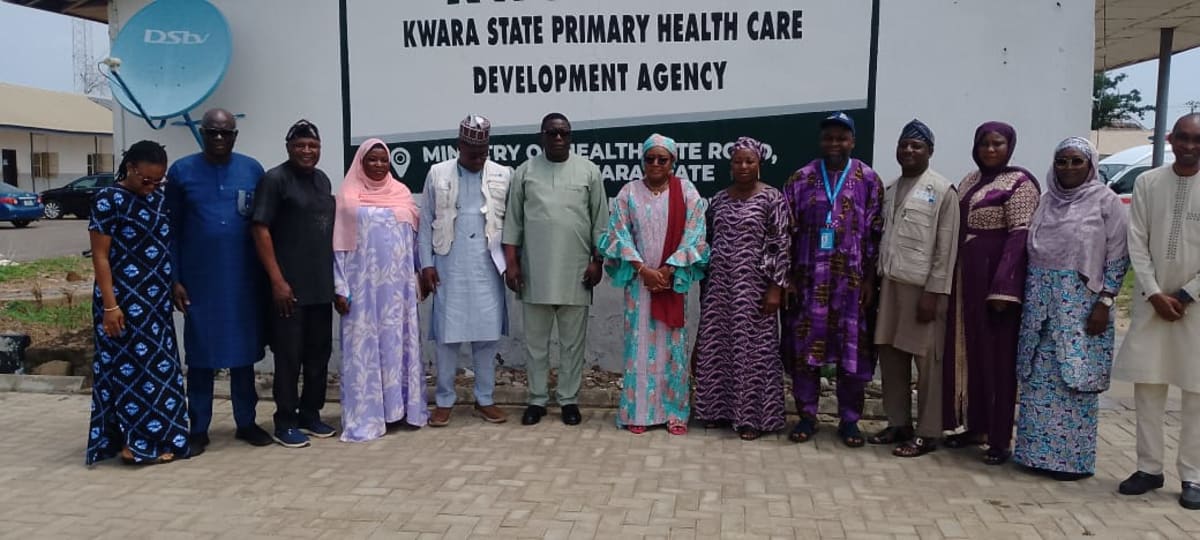
In a bold move to tackle preventable deaths among women and children, Kwara State in North Central Nigeria has unveiled plans to deliver free healthcare services to 1.2 million pregnant women and children during its 2026 Maternal, Newborn, and Child Health (MNCH) Week. The initiative, set to roll out across all primary healthcare facilities in the state, reflects a growing recognition of the urgent need to improve access to essential health services in underserved regions. With maternal and child mortality rates remaining stubbornly high in parts of Nigeria, this program could serve as a critical lifeline for families who might otherwise forgo care due to financial barriers.
What Happened
Kwara State officials have announced a large scale public health campaign aimed at providing free maternal, newborn, and child health services to 1.2 million individuals. The program, scheduled for 2026, will focus on delivering essential care, including antenatal services, immunizations, nutrition support, and child health screenings, through the state’s network of primary healthcare centers. The initiative is part of a broader effort to reduce preventable deaths and improve health outcomes for vulnerable populations.
Why Public Health Officials Are Concerned
Nigeria continues to grapple with some of the highest maternal and child mortality rates in the world. According to the World Health Organization, Nigeria accounts for nearly 20% of global maternal deaths, with many of these tragedies occurring in rural and low income communities. Financial constraints, limited access to healthcare facilities, and cultural barriers often prevent women and children from receiving timely medical attention. Programs like Kwara’s MNCH Week are designed to bridge this gap by removing cost as a barrier to care, particularly in regions where healthcare infrastructure remains underdeveloped.
Who May Be Affected
The initiative targets two of the most vulnerable groups in public health: pregnant women and children under five. These populations are particularly susceptible to complications from preventable conditions such as malnutrition, vaccine preventable diseases, and pregnancy related complications. By focusing on primary healthcare facilities, the program aims to reach families in rural and semi urban areas who may have limited access to hospitals or specialized care. The 1.2 million figure represents a significant portion of Kwara’s population, signaling a major push to improve health equity across the state.
Government Response and Program Goals
While specific details on funding and implementation are still emerging, the Kwara State government has framed the MNCH Week as a cornerstone of its health sector strategy. The program aligns with Nigeria’s national health policies, which prioritize universal health coverage and the reduction of maternal and child mortality. Similar initiatives in other Nigerian states have shown promise, with some reporting measurable declines in preventable deaths following targeted interventions. However, the success of such programs often hinges on sustained funding, community engagement, and the ability to maintain service quality across hundreds of facilities.
Prevention and Safety Guidance
For families in Kwara State, the upcoming MNCH Week presents an opportunity to access critical health services at no cost. Pregnant women are encouraged to take advantage of antenatal care, which can help detect and manage complications early. Parents should ensure their children receive recommended vaccinations and nutritional screenings, as these interventions can prevent life threatening illnesses. Health officials also advise communities to spread awareness about the program, particularly in areas where misinformation or distrust of medical services may exist.
What Readers Should Know
This initiative is more than a one week event; it represents a long term commitment to improving health outcomes in Kwara State. While the program’s scale is ambitious, its success will depend on effective execution, community participation, and continued government support. For families who have struggled to afford healthcare, the 2026 MNCH Week could be a turning point. However, public health experts caution that sustained progress will require ongoing investment in healthcare infrastructure, workforce training, and public education to ensure lasting impact.
Key Takeaways
- Kwara State plans to provide free healthcare to 1.2 million pregnant women and children during its 2026 MNCH Week.
- The program aims to reduce preventable maternal and child deaths by removing financial barriers to essential services.
- Success will depend on community engagement, sustained funding, and effective implementation across primary healthcare facilities.
- Families are encouraged to utilize free antenatal care, vaccinations, and nutritional screenings offered during the initiative.
Frequently Asked Questions
What services will be offered during Kwara’s 2026 MNCH Week?
The program will provide free antenatal care, immunizations, child health screenings, nutrition support, and other essential maternal and child health services at primary healthcare facilities.
Who qualifies for the free healthcare services?
The initiative targets pregnant women and children under five in Kwara State. Services will be available at no cost to all eligible individuals during the designated week.
Why is this program important for Nigeria?
Nigeria has one of the highest maternal and child mortality rates globally. Programs like this aim to reduce preventable deaths by improving access to healthcare, particularly in underserved communities.
How can families prepare for the 2026 MNCH Week?
Families should stay informed about the program’s dates and locations. Pregnant women and parents of young children are encouraged to visit their nearest primary healthcare center to access the free services.
Medical Review: MedSense Editorial Board
























DISCUSSION (0)
POST A COMMENT