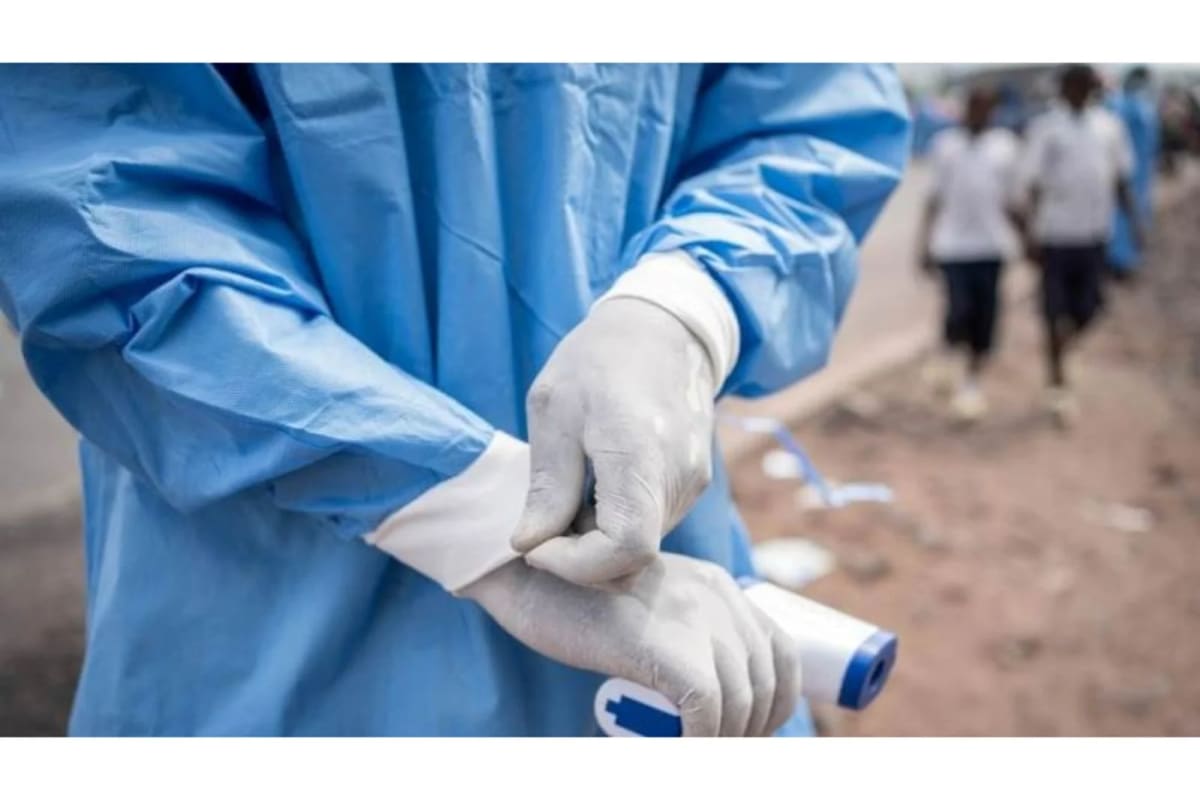
Kenya’s Ministry of Health has allayed fears of an Ebola outbreak after laboratory tests confirmed a suspected case in Kiambu County was negative for the deadly virus. The announcement, made on Tuesday, followed a rapid activation of emergency protocols and nationwide surveillance, underscoring the country’s preparedness amid ongoing regional health threats. While the immediate scare has passed, health officials are emphasizing the need for continued vigilance as neighboring countries grapple with confirmed cases of the disease. The suspected case, detected at AAR Hospital in Kiambu, triggered a swift response from health authorities, who isolated the patient and collected samples for urgent analysis. The Ministry’s statement reassured the public that all necessary precautions were taken, including contact tracing and monitoring of potential exposures. With Ebola remaining a persistent threat in parts of East and Central Africa, Kenya’s proactive measures serve as a critical reminder of the importance of early detection and containment in preventing wider transmission.
What Happened
Kenya’s Ministry of Health announced on Tuesday that a suspected Ebola Virus Disease case reported in Kiambu County had tested negative following laboratory analysis. The case, initially flagged at AAR Hospital, prompted an immediate activation of the country’s emergency response protocols, including sample collection, patient isolation, and contact tracing. The Ministry’s statement confirmed that the results ruled out Ebola, bringing relief to public health officials and the local community.
Why Public Health Officials Are Concerned
While the suspected case was ultimately negative, the incident highlights the ongoing risk of Ebola transmission in the region. Neighboring countries, including Uganda and the Democratic Republic of Congo, have reported active outbreaks in recent years, with sporadic cases crossing borders. Ebola is a highly contagious and often fatal disease, characterized by severe fever, internal bleeding, and organ failure. Its potential to spread rapidly through direct contact with bodily fluids makes early detection and containment critical to preventing larger outbreaks.
Kenya’s health authorities have maintained a state of heightened alert due to its proximity to affected regions and its role as a regional transit hub. The Ministry’s rapid response to the Kiambu case demonstrates the country’s commitment to preventing the virus from gaining a foothold, but it also underscores the need for sustained investment in surveillance, laboratory capacity, and healthcare worker training.
Symptoms or Risk Factors
Ebola Virus Disease typically presents with a sudden onset of symptoms, including high fever, severe headache, muscle pain, fatigue, and weakness. As the disease progresses, patients may experience vomiting, diarrhea, impaired kidney and liver function, and in some cases, internal and external bleeding. The virus spreads through direct contact with the blood, secretions, organs, or other bodily fluids of infected individuals, as well as through contaminated surfaces and materials.
Healthcare workers, family members caring for sick individuals, and those handling the bodies of deceased patients are at the highest risk of infection. Travelers to or from regions with active Ebola outbreaks should remain vigilant and report any symptoms to health authorities immediately.
Who May Be Affected
The suspected case in Kiambu primarily raised concerns for healthcare workers, patients, and visitors at AAR Hospital, as well as the patient’s close contacts. While the negative test results have mitigated immediate risks, the broader population remains vulnerable due to the persistent threat of imported cases. Kenya’s porous borders and high volume of cross border movement increase the likelihood of undetected cases entering the country, particularly in areas with limited healthcare infrastructure.
Public health officials are particularly focused on border communities, urban centers with high population density, and regions with weaker health systems. These areas are prioritized for surveillance and preparedness efforts to ensure rapid detection and response in the event of a confirmed case.
Government or WHO Response
The Ministry of Health’s response to the suspected case in Kiambu was swift and coordinated, reflecting Kenya’s experience in managing infectious disease threats. Upon notification of the case, health authorities activated the National Public Health Emergency Operations Center, which oversees disease surveillance, laboratory testing, and contact tracing. Samples were sent to the Kenya Medical Research Institute for analysis, and results were returned within hours, demonstrating the country’s improved diagnostic capabilities.
The World Health Organization has previously commended Kenya’s preparedness for Ebola, citing its robust surveillance systems and rapid response mechanisms. However, the WHO has also emphasized the need for continued support in strengthening laboratory networks, training healthcare workers, and ensuring adequate stockpiles of personal protective equipment and medical supplies. In the wake of the Kiambu incident, the Ministry has reiterated its commitment to maintaining these systems and collaborating with international partners to mitigate future risks.
Prevention and Safety Guidance
While the risk of Ebola in Kenya remains low following the negative test results, public health officials are urging the public to remain vigilant and adhere to preventive measures. Key recommendations include:
- Avoid direct contact with bodily fluids: Refrain from touching blood, saliva, urine, or other bodily fluids of individuals who are sick or have recently traveled to Ebola affected regions.
- Practice hand hygiene: Wash hands frequently with soap and water or use alcohol based hand sanitizers, especially after visiting healthcare facilities or handling potentially contaminated materials.
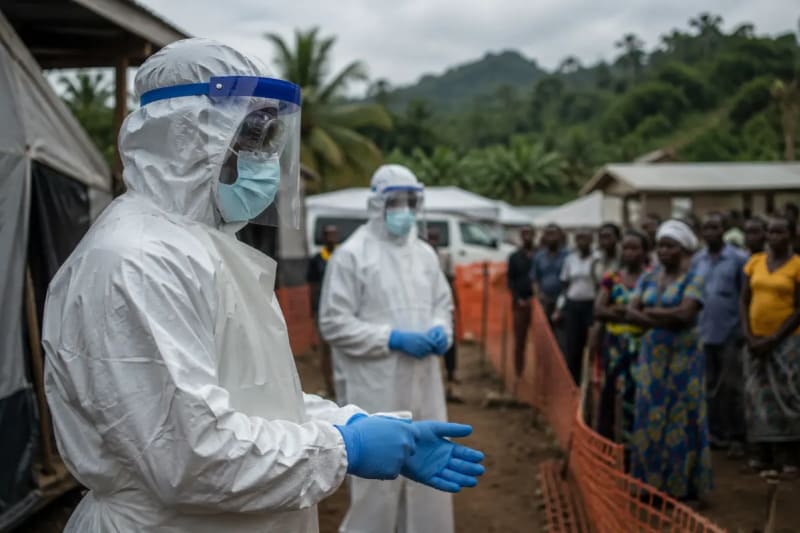
- Use personal protective equipment: Healthcare workers should wear gloves, masks, gowns, and other protective gear when caring for patients with suspected or confirmed Ebola.
- Report symptoms immediately: Individuals experiencing fever, headache, muscle pain, or other Ebola like symptoms should seek medical attention promptly and inform healthcare providers of any recent travel history.
- Safe burial practices: Communities should avoid traditional burial practices that involve direct contact with the deceased, as Ebola can remain transmissible after death.
What Readers Should Know
The resolution of the suspected Ebola case in Kiambu is a reminder of the importance of robust public health systems in detecting and containing infectious diseases. While the negative test results are reassuring, the incident serves as a call to action for continued investment in disease surveillance, laboratory capacity, and healthcare worker training. For the general public, the key takeaway is the importance of staying informed, following preventive measures, and reporting any suspicious symptoms to health authorities.
Kenya’s ability to swiftly rule out Ebola in this instance reflects years of preparation and collaboration with international partners. However, the threat of imported cases remains a reality, particularly as regional outbreaks persist. By maintaining vigilance and adhering to public health guidelines, individuals and communities can play a critical role in preventing the spread of Ebola and other infectious diseases.
Key Takeaways
- Kenya’s Ministry of Health confirmed that a suspected Ebola case in Kiambu County tested negative, easing public health concerns.
- The incident triggered a rapid response, including patient isolation, contact tracing, and laboratory analysis, demonstrating Kenya’s preparedness for infectious disease threats.
- While the immediate risk has passed, health officials are urging continued vigilance due to ongoing Ebola outbreaks in neighboring countries.
- Preventive measures, such as avoiding contact with bodily fluids, practicing hand hygiene, and reporting symptoms early, are critical to reducing transmission risks.
- The case highlights the importance of sustained investment in disease surveillance, laboratory capacity, and healthcare worker training to prevent future outbreaks.
Frequently Asked Questions
What is Ebola Virus Disease, and how does it spread?
Ebola Virus Disease is a severe, often fatal illness caused by the Ebola virus. It spreads through direct contact with the blood, secretions, organs, or other bodily fluids of infected individuals, as well as through contaminated surfaces and materials. Healthcare workers and family members caring for sick individuals are at the highest risk of infection.
What are the symptoms of Ebola?
Symptoms of Ebola typically include sudden onset of high fever, severe headache, muscle pain, fatigue, and weakness. As the disease progresses, patients may experience vomiting, diarrhea, impaired kidney and liver function, and in some cases, internal and external bleeding.
How can I protect myself from Ebola?
To protect yourself from Ebola, avoid direct contact with bodily fluids of sick individuals, practice frequent hand hygiene, and use personal protective equipment if you are a healthcare worker. If you experience symptoms such as fever, headache, or muscle pain, seek medical attention immediately and inform healthcare providers of any recent travel history.
Why is Kenya at risk for Ebola?
Kenya is at risk for Ebola due to its proximity to countries with active outbreaks, such as Uganda and the Democratic Republic of Congo. The country’s porous borders and high volume of cross border movement increase the likelihood of undetected cases entering the country. However, Kenya’s robust surveillance systems and rapid response mechanisms help mitigate these risks.
What should I do if I suspect someone has Ebola?
If you suspect someone has Ebola, avoid direct contact with the individual and immediately notify local health authorities or healthcare providers. Do not attempt to care for the person yourself, as this increases the risk of transmission. Follow the guidance of public health officials for testing, isolation, and contact tracing.
Medical Review: MedSense Editorial Board











DISCUSSION (0)
POST A COMMENT