
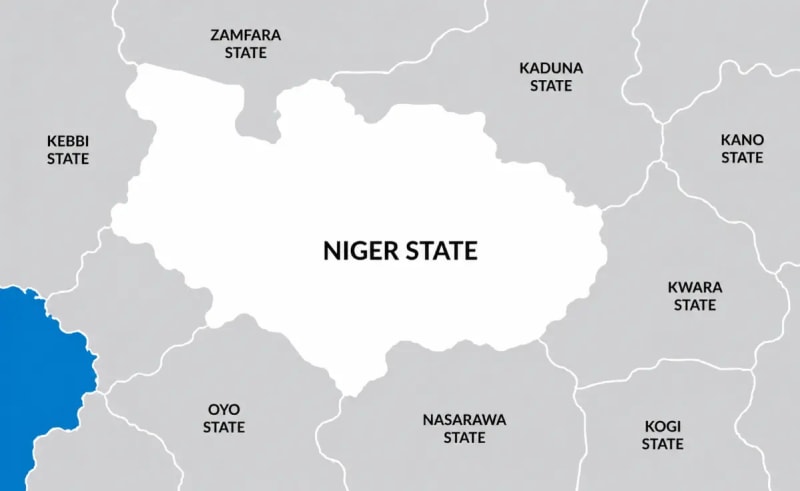
Kano State has become the latest frontline in Nigeria’s escalating battle against substance abuse after the National Drug Law Enforcement Agency NDLEA raided multiple illicit drug hubs across the city. The operation, conducted by the Kano Strategic Command, led to the arrest of 73 suspects and the recovery of a substantial cache of illegal drugs. The crackdown comes as health authorities express growing concern over the rising tide of addiction in northern Nigeria, where drug abuse has increasingly strained public health systems and community safety. The raids, carried out over recent days, targeted known hotspots where narcotics are sold and consumed. While the NDLEA has not disclosed the exact types or quantities of drugs seized, officials described the operation as a critical step in disrupting supply chains that fuel addiction and crime. The arrests highlight the agency’s intensified efforts to curb drug trafficking in a region where substance abuse has been linked to rising rates of mental health disorders, youth unemployment, and violent crime.
What Happened
The National Drug Law Enforcement Agency NDLEA in Kano State executed a series of coordinated raids on notorious drug dens, resulting in the arrest of 73 individuals. The operation, led by the Kano Strategic Command, targeted locations known for the sale and distribution of illicit substances. While the agency has not released a detailed inventory of the seized drugs, the scale of the arrests suggests a significant disruption to local drug networks.
The raids were conducted following intelligence reports and community complaints about the proliferation of drug hubs in residential and commercial areas. The NDLEA has emphasized that such operations are part of a broader strategy to dismantle drug trafficking syndicates and reduce the availability of narcotics in high risk communities.
Why Public Health Officials Are Concerned
Substance abuse has emerged as a pressing public health crisis in northern Nigeria, with Kano serving as a major transit and consumption hub for illicit drugs. Health experts warn that the region’s youth population is particularly vulnerable, with drug use increasingly linked to mental health disorders, school dropout rates, and involvement in criminal activities. The United Nations Office on Drugs and Crime UNODC has previously highlighted northern Nigeria as a hotspot for drug trafficking, with cannabis, tramadol, and codeine among the most commonly abused substances.
The social and economic consequences of drug abuse in Kano are profound. Families bear the brunt of addiction, with rising cases of domestic violence, financial instability, and neglect of dependents. Healthcare facilities, already stretched thin, report an uptick in drug related emergencies, including overdoses and psychiatric admissions. Public health advocates stress that without sustained intervention, the cycle of addiction and crime will continue to erode community well being.
Who May Be Affected
The impact of drug abuse in Kano extends beyond the individuals arrested in the raids. Key groups at risk include:
- Youth and adolescents: School aged children and young adults are increasingly exposed to illicit drugs, with peer pressure and unemployment cited as major contributing factors.
- Families of addicts: Relatives often face emotional, financial, and social burdens, including stigma and the challenge of accessing treatment for loved ones.
- Healthcare workers: Hospitals and clinics in Kano are seeing a rise in drug related cases, from overdoses to mental health crises, straining already limited resources.
- Law enforcement and social services: Agencies like the NDLEA and local NGOs are overwhelmed by the scale of the problem, requiring more funding and support to sustain anti drug initiatives.
Government and Agency Response
The NDLEA has framed the raids as part of a larger, multi agency effort to combat drug trafficking and abuse in Nigeria. The agency’s Kano Strategic Command has pledged to intensify surveillance and intelligence gathering to identify and dismantle drug networks. In a statement, NDLEA spokesperson Sadiq Maigatari reiterated the agency’s commitment to protecting communities from the scourge of illicit drugs, urging the public to report suspicious activities.
At the federal level, the Nigerian government has introduced policies aimed at curbing drug abuse, including the National Drug Control Master Plan. However, critics argue that implementation has been slow, with gaps in funding, rehabilitation services, and public awareness campaigns. The NDLEA’s recent operations in Kano underscore the urgency of addressing these shortcomings to prevent further escalation of the crisis.
Prevention and Safety Guidance
Public health experts emphasize that combating drug abuse requires a multi faceted approach, combining law enforcement with education, treatment, and community engagement. Key strategies include:
- Community awareness: Schools, religious institutions, and local leaders can play a pivotal role in educating young people about the dangers of drug use. Programs that focus on life skills, peer resistance, and mental health support have shown promise in reducing substance abuse.
- Access to treatment: Nigeria’s healthcare system must expand access to addiction treatment and mental health services, particularly in underserved regions like Kano. This includes training healthcare workers to identify and manage drug related disorders.
- Parental and caregiver involvement: Families are often the first line of defense against drug abuse. Open communication, monitoring of children’s activities, and early intervention can help prevent experimentation and addiction.
- Reporting and collaboration: The public is encouraged to report drug related activities to law enforcement or anonymous hotlines. Collaboration between communities, NGOs, and government agencies is critical to disrupting drug networks and supporting recovery efforts.
What Readers Should Know
The NDLEA’s raids in Kano are a stark reminder of the pervasive nature of drug abuse in Nigeria and the urgent need for comprehensive solutions. While law enforcement plays a crucial role in disrupting supply chains, long term success depends on addressing the root causes of addiction, including poverty, unemployment, and lack of access to education and healthcare.
For residents of Kano and other high risk areas, staying informed about the signs of drug abuse and available resources is essential. Early intervention can save lives, and community solidarity can help break the stigma associated with addiction. As the NDLEA continues its operations, public support and engagement will be vital in turning the tide against substance abuse in northern Nigeria.
Key Takeaways
- The NDLEA arrested 73 suspects in Kano during raids on illicit drug dens, signaling a crackdown on substance abuse in northern Nigeria.
- Drug abuse in Kano is linked to rising mental health disorders, youth unemployment, and crime, posing a significant public health challenge.
- Prevention requires a combination of law enforcement, education, treatment access, and community engagement to address both supply and demand.
- Families, healthcare workers, and law enforcement agencies are all affected by the drug crisis and need more support to combat it effectively.
Frequently Asked Questions
What types of drugs are commonly abused in Kano?
While the NDLEA has not specified the drugs seized in these raids, northern Nigeria has seen high rates of abuse involving cannabis, tramadol, codeine, and other prescription opioids. The UNODC has also reported the presence of harder substances like cocaine and methamphetamine in the region.
How can communities help prevent drug abuse?
Communities can play a critical role by educating youth about the risks of drug use, supporting local treatment programs, and reporting suspicious activities to law enforcement. Religious and traditional leaders can also use their platforms to promote drug free lifestyles.
What should I do if I suspect a family member is using drugs?
Approach the situation with empathy and concern rather than judgment. Encourage open communication and seek professional help from healthcare providers or addiction specialists. Early intervention can prevent the escalation of drug use into addiction.
Are there treatment options available for drug addiction in Kano?
Treatment options in Kano are limited but growing. The NDLEA and some NGOs offer rehabilitation services, while public hospitals provide medical support for drug related health issues. However, access remains a challenge, and more resources are needed to meet demand.
Medical Review: MedSense Editorial Board















DISCUSSION (0)
POST A COMMENT