
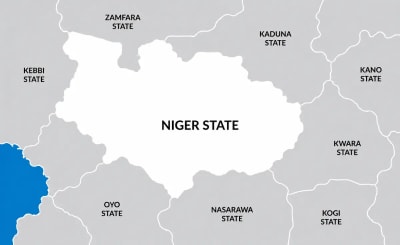
In a setback to Nigeria’s efforts to strengthen primary healthcare, a recently renovated primary health center in Kaduna State is now at risk of collapse due to severe erosion. The Narayi Primary Health Care Centre, which serves thousands of residents in the Narayi community, has suffered extensive structural damage, threatening the continuity of routine immunization programs and maternal health services. Public health officials warn that the disruption could reverse years of progress in reducing preventable child and maternal deaths in the region. The damage comes just months after the facility underwent significant upgrades as part of a nationwide initiative to revitalize primary healthcare infrastructure. With erosion undermining its foundation, the center’s ability to safely store vaccines, conduct deliveries, and provide essential medical care is now in question. Local health workers report that immunization sessions have already been suspended in some areas, leaving children vulnerable to vaccine preventable diseases like measles and polio.
What Happened
The Narayi Primary Health Care Centre in Kaduna State, one of Nigeria’s flagship revitalized health facilities, has sustained severe damage due to soil erosion. Heavy rains and poor drainage systems have eroded the foundation of the building, causing cracks in walls, sinking floors, and exposing electrical wiring. The damage is so extensive that parts of the facility are now deemed unsafe for use, forcing health workers to relocate critical services to temporary structures or neighboring centers.
Why Public Health Officials Are Concerned
Primary healthcare centers like Narayi are the backbone of Nigeria’s public health system, particularly in rural and underserved communities. They serve as the first point of contact for maternal and child health services, including antenatal care, skilled birth attendance, and routine immunization. The disruption of services at Narayi not only affects the immediate community but also risks creating gaps in vaccination coverage, which could lead to outbreaks of preventable diseases.
According to the World Health Organization, Nigeria accounts for a significant portion of global under five mortality, with vaccine preventable diseases contributing to nearly 30% of these deaths. The erosion induced closure of a key health facility like Narayi could exacerbate these challenges, particularly in a state where healthcare access remains uneven.
Who May Be Affected
The Narayi community, home to an estimated 20,000 residents, relies heavily on the primary health center for essential medical services. The most vulnerable groups include:
- Children under five who require routine immunizations for diseases such as measles, polio, and diphtheria.
- Pregnant women who depend on the center for antenatal care, skilled delivery, and postnatal services.
- Patients with chronic conditions, such as hypertension and diabetes, who receive ongoing care at the facility.
- Elderly residents who rely on the center for basic health screenings and medication.
Government Response
Local health authorities in Kaduna State have acknowledged the severity of the situation and are working to assess the full extent of the damage. The state’s Primary Health Care Development Agency has dispatched a team of engineers to evaluate the structural integrity of the building and determine whether repairs are feasible or if a complete reconstruction is necessary. In the interim, health workers have been instructed to redirect patients to nearby facilities, though these centers are already operating at or beyond capacity.
The Kaduna State government has also called for urgent support from federal agencies, including the National Primary Health Care Development Agency, to address the immediate needs of the community. However, no official timeline has been provided for the restoration of services at Narayi.
Prevention and Safety Guidance
While the immediate focus is on restoring services at Narayi, the incident highlights broader vulnerabilities in Nigeria’s healthcare infrastructure. Public health experts emphasize the need for:
- Improved site selection and construction standards: Health facilities should be built on stable terrain with proper drainage systems to prevent erosion related damage.
- Regular maintenance and monitoring: Routine inspections of health infrastructure can help identify and address potential hazards before they escalate.
- Community engagement: Local residents should be educated on the importance of reporting early signs of structural damage to health authorities.
- Contingency planning: Health systems should have backup plans in place to ensure continuity of care during emergencies, such as relocating services to temporary or mobile facilities.
What Readers Should Know
For residents of Narayi and surrounding communities, the disruption of services at the primary health center is a critical issue that requires immediate attention. Parents are advised to:
- Monitor announcements from local health authorities regarding the relocation of immunization services.
- Ensure children receive missed vaccines as soon as services resume to maintain protection against preventable diseases.
- Seek antenatal care and delivery services at alternative facilities, even if it requires traveling farther distances.
For policymakers and health advocates, the situation at Narayi serves as a stark reminder of the fragility of healthcare infrastructure in many parts of Nigeria. While investments in revitalizing primary health centers are commendable, they must be accompanied by measures to ensure long term sustainability and resilience against environmental and structural challenges.
Key Takeaways
- A recently renovated primary health center in Kaduna State is at risk of collapse due to severe erosion, disrupting immunization and maternal health services for thousands of residents.
- The damage threatens to reverse progress in reducing preventable child and maternal deaths, particularly in a region where healthcare access is already limited.
- Public health experts emphasize the need for improved construction standards, regular maintenance, and contingency planning to prevent similar incidents in the future.
Frequently Asked Questions
What services are currently unavailable at the Narayi Primary Health Care Centre?
Routine immunization, antenatal care, skilled birth attendance, and some chronic disease management services have been disrupted due to structural damage. Health workers are redirecting patients to nearby facilities where possible.
How long will it take to repair the health center?
No official timeline has been provided. Local authorities are assessing the damage to determine whether repairs or a complete reconstruction is needed.
What should parents do if their children missed vaccinations?
Parents should stay informed through local health announcements and ensure their children receive missed vaccines as soon as services resume. Delayed vaccinations can leave children vulnerable to preventable diseases.
Are there alternative health facilities nearby?
Yes, but nearby facilities are already operating at or beyond capacity. Patients may need to travel farther distances to access care, which could pose challenges for vulnerable groups.
What can be done to prevent similar incidents in the future?
Public health experts recommend improving site selection and construction standards, implementing regular maintenance and monitoring, and developing contingency plans to ensure continuity of care during emergencies.
Medical Review: MedSense Editorial Board












DISCUSSION (0)
POST A COMMENT