What Happened
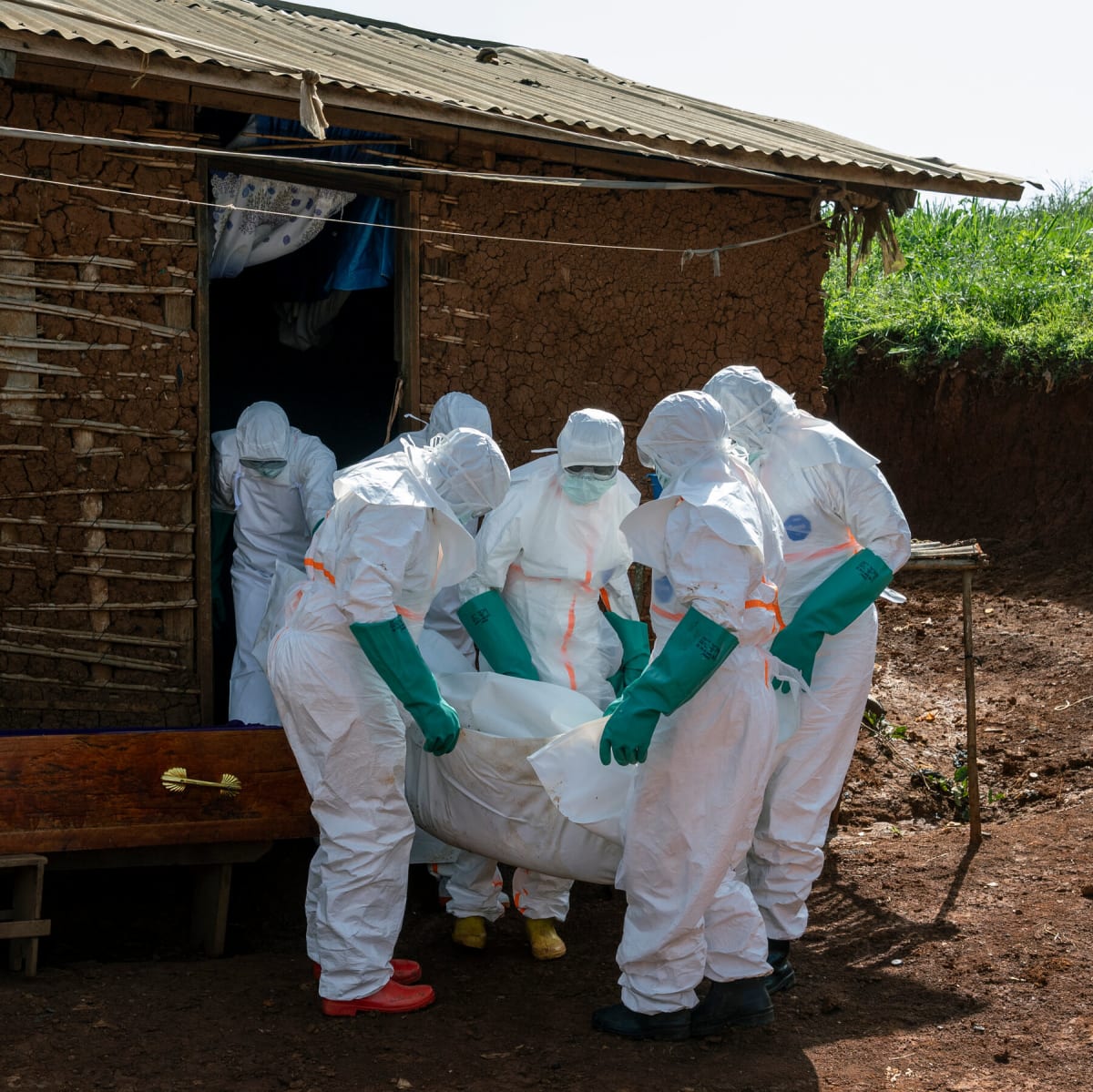
In the gold rich hills of eastern Congo, artisanal mining has long provided income for communities with few alternatives. But as miners dig deeper into the earth, they are also digging pathways for Ebola. The virus, which resurfaced in the region in 2021, has found fertile ground in mining camps where sanitation is poor, healthcare is scarce, and movement between sites is constant. Recent epidemiological data suggests that mining hotspots are now among the primary drivers of new infections, with transmission chains tracing back to informal settlements near excavation sites.
Why Public Health Officials Are Concerned
Ebola thrives in environments where people are in close contact and medical oversight is minimal. Mining camps in Congo fit this description perfectly. Workers often sleep in crowded, makeshift shelters, share tools and water sources, and travel frequently between sites, behaviors that facilitate viral spread. Compounding the problem, many miners avoid formal healthcare due to fear of quarantine, stigma, or disruption of their livelihoods. This reluctance to seek early treatment allows the virus to circulate undetected, increasing the risk of larger outbreaks.
The situation is further complicated by ongoing conflict in the region. Armed groups control many mining areas, making it difficult for health workers to access communities or conduct contact tracing. In some cases, violence has forced the suspension of vaccination campaigns and surveillance efforts, leaving gaps in the response that the virus is quick to exploit.
Symptoms or Risk Factors
Ebola virus disease is a severe, often fatal illness with an average case fatality rate of around 50%. Early symptoms include sudden fever, fatigue, muscle pain, headache, and sore throat. These are followed by vomiting, diarrhea, rash, impaired kidney and liver function, and in some cases, internal and external bleeding. The virus spreads through direct contact with bodily fluids of infected people or contaminated surfaces.
In the context of mining, risk factors include:
- Close physical contact in crowded living or working conditions.
- Limited access to clean water and sanitation, increasing exposure to contaminated fluids.
- Delayed medical care due to fear, misinformation, or logistical barriers.
- Frequent travel between mining sites, which can carry the virus to new areas.
Who May Be Affected
The outbreak disproportionately impacts:
- Artisanal miners: Those working in informal gold mines, often in hazardous conditions with no protective equipment.
- Local traders and smugglers: Individuals who move between mining sites and urban centers, potentially carrying the virus across regions.
- Healthcare workers: Frontline responders at higher risk due to exposure to infected patients, especially in under resourced clinics.
- Families and communities: Close contacts of infected individuals, particularly in areas with limited healthcare infrastructure.
Government or WHO Response
The World Health Organization and Congolese health authorities have ramped up efforts to contain the outbreak, but challenges remain. Vaccination campaigns using the Ervebo vaccine have targeted high risk groups, including miners and healthcare workers. However, vaccine hesitancy and logistical hurdles have limited coverage in some areas. Mobile clinics and community health workers are being deployed to mining zones to improve early detection and treatment, but security concerns often delay these interventions.
In response to the mining driven spread, authorities have also begun engaging with local leaders and mining cooperatives to promote safer practices. These include:
- Encouraging miners to report symptoms early and seek care without fear of reprisal.
- Distributing hygiene kits, including soap, chlorine, and protective gear, to reduce transmission risks.
- Establishing isolation zones near mining sites to separate suspected cases from the general population.
Prevention and Safety Guidance
For individuals in or near mining areas, public health experts recommend the following precautions:
- Avoid direct contact with bodily fluids: Use gloves and protective clothing when caring for sick individuals or handling potentially contaminated materials.
- Practice hand hygiene: Wash hands frequently with soap and clean water, or use alcohol based hand sanitizer.
- Isolate sick individuals: If someone shows symptoms of Ebola, isolate them immediately and alert health authorities.
- Get vaccinated: If eligible, receive the Ervebo vaccine, which has been shown to be highly effective in preventing Ebola.
- Stay informed: Follow updates from trusted sources like the WHO or Congolese Ministry of Health to avoid misinformation.
What Readers Should Know
This outbreak is a stark reminder of how economic activities, conflict, and public health intersect in fragile regions. While mining provides critical income for thousands of Congolese families, it also creates conditions that allow deadly diseases to flourish. The international community’s response, balancing humanitarian aid with security and economic stability, will be crucial in determining whether this outbreak can be contained or risks spreading further.
For those outside the region, the situation underscores the importance of global health preparedness. Ebola does not respect borders, and outbreaks in remote areas can quickly become international concerns. Supporting organizations like the WHO, Médecins Sans Frontières, and local health initiatives can help strengthen the response and save lives.
Key Takeaways
- Illegal gold mining in eastern Congo is fueling the spread of Ebola by creating environments where the virus can transmit easily.
- Crowded living conditions, poor sanitation, and frequent movement between mining sites increase the risk of outbreaks.
- Public health responses are hampered by conflict, vaccine hesitancy, and logistical challenges in accessing remote areas.
- Prevention measures, including vaccination, hygiene practices, and early reporting of symptoms, are critical to containing the virus.
- The outbreak highlights the need for integrated approaches that address both economic livelihoods and disease control in fragile regions.
Frequently Asked Questions
Why is gold mining linked to Ebola outbreaks in Congo?
Gold mining in eastern Congo often occurs in remote, informal settlements where sanitation is poor, healthcare is limited, and people move frequently between sites. These conditions create ideal opportunities for Ebola to spread through direct contact with bodily fluids or contaminated surfaces.
What are the early symptoms of Ebola?
Early symptoms include sudden fever, fatigue, muscle pain, headache, and sore throat. As the disease progresses, it can cause vomiting, diarrhea, rash, impaired organ function, and in some cases, internal or external bleeding.
How effective is the Ebola vaccine?
The Ervebo vaccine has been shown to be highly effective in preventing Ebola when administered to high risk groups, including healthcare workers and contacts of confirmed cases. However, vaccine coverage in mining areas remains limited due to logistical and security challenges.
What can miners do to protect themselves from Ebola?
Miners should practice good hand hygiene, avoid direct contact with sick individuals, use protective gear when possible, and report symptoms immediately. Vaccination is also strongly recommended for those in high risk areas.
How is the international community responding to the outbreak?
The WHO and partner organizations are supporting vaccination campaigns, deploying mobile clinics, and working with local leaders to improve disease surveillance and prevention. However, ongoing conflict and security concerns continue to hinder these efforts.
Medical Review: MedSense Editorial Board
























DISCUSSION (0)
POST A COMMENT