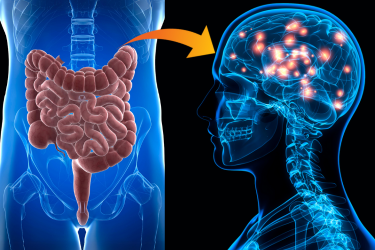
Researchers have uncovered evidence that alterations in the gut microbiome may serve as an early indicator of Parkinson’s disease, emerging decades before the first tremors or mobility issues appear. The findings, published in leading medical journals, suggest that the digestive system could hold the key to detecting this neurodegenerative disorder at its earliest stages.
What Happened
Scientists analyzing long term health data have identified distinct shifts in gut bacteria composition in individuals who later developed Parkinson’s disease. These microbial changes, detectable through stool samples, occurred years, sometimes decades, before the onset of classic neurological symptoms such as tremors, rigidity, or balance problems.
Why Public Health Officials Are Concerned
Parkinson’s disease is typically diagnosed after significant neurodegeneration has already occurred, limiting treatment options to symptom management rather than disease modification. The discovery of gut based biomarkers could transform early detection, potentially allowing for interventions that slow or halt progression before irreversible damage sets in. Public health experts emphasize the need for further validation of these biomarkers to ensure reliability in clinical settings.
Symptoms or Risk Factors
While Parkinson’s is primarily associated with motor symptoms like shaking, stiffness, and slow movement, the disease also involves non motor symptoms that may appear earlier, including:
- Chronic constipation or other digestive issues
- Loss of smell
- Sleep disturbances, particularly REM sleep behavior disorder
- Mood changes such as depression or anxiety
Researchers note that these symptoms often precede motor dysfunction by years, aligning with the timeline of gut microbiome alterations.
Who May Be Affected
Individuals with a family history of Parkinson’s, those exposed to certain environmental toxins, or people experiencing early non motor symptoms are among those who may benefit from gut microbiome screening. The research suggests that gut based biomarkers could be particularly useful for identifying high risk groups, including older adults and individuals with a genetic predisposition to the disease.
Government or WHO Response
The World Health Organization (WHO) has not yet issued specific guidelines on gut microbiome testing for Parkinson’s risk assessment, but the organization acknowledges the growing body of evidence linking gut health to neurological conditions. The National Institutes of Health (NIH) in the United States has funded multiple studies exploring the gut brain axis in Parkinson’s, signaling increased institutional interest in this area of research. Regulatory agencies are also monitoring developments to assess the feasibility of integrating microbiome based diagnostics into clinical practice.
Prevention and Safety Guidance
While no definitive prevention strategies exist for Parkinson’s, maintaining overall gut health may play a role in reducing risk. Experts recommend:
- Consuming a fiber rich diet with probiotics and prebiotics
- Avoiding excessive use of antibiotics, which can disrupt gut microbiota
- Managing chronic digestive conditions such as irritable bowel syndrome (IBS)
- Monitoring and addressing early non motor symptoms with a healthcare provider
Researchers caution that microbiome testing for Parkinson’s risk is not yet a standard clinical tool but may become more accessible as evidence accumulates.
What Readers Should Know
This research represents a paradigm shift in how we understand Parkinson’s disease, moving from a brain centric view to one that recognizes the gut as an early warning system. While the findings are promising, they are not yet ready for widespread clinical application. Individuals concerned about their risk should consult a neurologist or gastroenterologist for personalized guidance. The potential for early detection offers hope for more effective management and treatment strategies in the future.
Key Takeaways
- Gut microbiome changes may precede Parkinson’s disease diagnosis by years, offering a potential early detection method.
- Non motor symptoms like digestive issues and loss of smell often appear before motor symptoms, aligning with gut based biomarker timelines.
- Maintaining gut health through diet and lifestyle may play a role in reducing Parkinson’s risk, though definitive prevention strategies remain unproven.
- Microbiome testing for Parkinson’s risk is not yet standard clinical practice but is an active area of research with growing institutional support.
Frequently Asked Questions
Can gut microbiome testing currently diagnose Parkinson’s disease?
No. While research shows distinct gut microbiome patterns in individuals who later develop Parkinson’s, these findings are not yet validated for clinical use. Gut microbiome testing is not a standard diagnostic tool for Parkinson’s disease.
What are the early signs of Parkinson’s disease that may relate to gut health?
Early non motor symptoms often include chronic constipation, loss of smell, sleep disturbances such as REM sleep behavior disorder, and mood changes like depression or anxiety. These symptoms may appear years before motor dysfunction.
How can I improve my gut health to potentially reduce Parkinson’s risk?
Maintaining a balanced diet rich in fiber, probiotics, and prebiotics may support gut health. Avoiding unnecessary antibiotic use and managing chronic digestive conditions can also help. However, no diet or lifestyle change has been proven to prevent Parkinson’s disease.
Who should consider microbiome testing for Parkinson’s risk?
Currently, microbiome testing for Parkinson’s risk is not recommended for the general population. Individuals with a family history of Parkinson’s, those experiencing early non motor symptoms, or people with a genetic predisposition may discuss personalized risk assessment with a healthcare provider.
What is the gut brain axis, and how does it relate to Parkinson’s disease?
The gut brain axis refers to the bidirectional communication between the gastrointestinal tract and the central nervous system. Research suggests that disruptions in gut microbiota may influence neurological health, potentially contributing to the development of Parkinson’s disease.
Medical Review: MedSense Editorial Board




DISCUSSION (0)
POST A COMMENT