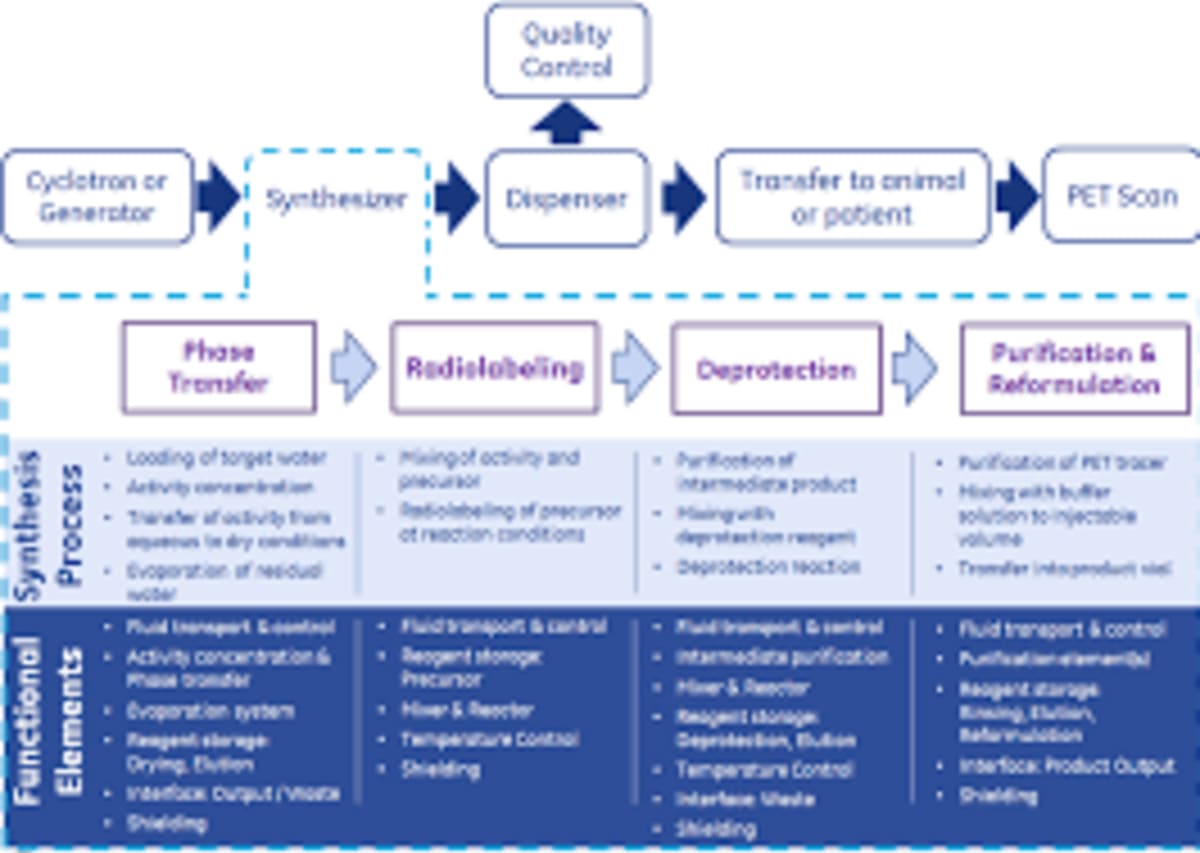
Africa is poised to overcome decades of reliance on imported medical diagnostics with the continent’s first local production of PET (Positron Emission Tomography) tracers. The breakthrough, developed through a collaboration between African researchers and international nuclear medicine experts, eliminates critical supply chain bottlenecks that have delayed life saving scans for cancer and neurological disorders.
By producing tracers on site, hospitals can now offer PET scans within days instead of weeks, reducing costs by up to 70% compared to imported alternatives. This shift not only improves patient outcomes but also strengthens healthcare resilience across the continent, where access to advanced diagnostics has long been uneven.
What Happened
The new production process, pioneered by a team of nuclear medicine specialists in South Africa and supported by international research institutions, marks the first time PET tracers are being manufactured locally in Africa. Previously, hospitals depended on imported tracers, which arrived weeks late due to logistical hurdles and incurred exorbitant costs. The local production model leverages existing nuclear medicine infrastructure, ensuring a steady supply of tracers for PET scans.
Why Public Health Officials Are Concerned
Delayed access to PET scans has far reaching consequences for patient care and public health systems. In many African countries, only a handful of hospitals, primarily in urban centers, have PET scan capabilities. Rural populations are often left without access, forcing patients to travel long distances or forgo critical diagnostics altogether. The new production process directly addresses these disparities by decentralizing tracer availability.
According to the International Atomic Energy Agency (IAEA), Africa has fewer than 50 PET scanners serving a population of over 1.3 billion, compared to thousands in Europe and North America. The scarcity of tracers has exacerbated these gaps, leaving clinicians without the tools to detect cancers early or monitor neurological conditions like Alzheimer’s and Parkinson’s disease.
Symptoms or Risk Factors
PET scans are critical for diagnosing and monitoring conditions where early detection is vital:
- Cancer: Tumors in organs such as the brain, lungs, or breasts often go undetected until late stages without PET imaging. Early diagnosis can improve survival rates by up to 40%, according to the World Health Organization (WHO).
- Neurological Disorders: Conditions like epilepsy, Alzheimer’s disease, and Parkinson’s require precise imaging to guide treatment. Misdiagnosis or delayed diagnosis can lead to irreversible cognitive decline or ineffective therapies.
- Cardiovascular Diseases: PET scans help assess blood flow and tissue viability in heart disease, reducing the need for invasive procedures.
Who May Be Affected
The impact of this breakthrough extends across multiple demographics and healthcare settings:
- Cancer Patients: Individuals awaiting PET scans for tumor detection or treatment monitoring will benefit from faster, more affordable diagnostics. Late stage cancer diagnoses, which are common due to delayed imaging, often require aggressive and costly interventions.
- Neurology Patients: Patients with suspected neurodegenerative diseases or treatment resistant epilepsy will gain access to accurate imaging, improving treatment outcomes and quality of life.
- Rural Communities: Residents in underserved regions, where PET scan facilities are scarce, will see reduced travel burdens and shorter wait times for critical diagnostics.
- Healthcare Systems: Overburdened public and private hospitals will experience reduced strain from late stage patient referrals, allowing resources to be allocated more efficiently.
Government or WHO Response
The World Health Organization (WHO) has emphasized the need for localized production of medical isotopes and tracers to strengthen health system resilience. In a 2023 report, the WHO highlighted Africa’s dependence on imported medical isotopes as a critical vulnerability, particularly during global supply chain disruptions.
Several African governments are already integrating the new tracer production model into national health strategies. South Africa’s Department of Health, for example, has partnered with local nuclear medicine facilities to expand PET scan access in public hospitals. The IAEA has also provided technical support to other countries, including Nigeria and Kenya, to replicate the model.
Prevention and Safety Guidance
While the new production process addresses supply chain issues, patients and healthcare providers must take proactive steps to maximize its benefits:
- For Patients:
- Discuss with your doctor whether a PET scan is necessary for your diagnosis. Early detection of cancer or neurological disorders can significantly improve outcomes.
- Ask your healthcare provider if local tracer production is available in your region to reduce wait times and costs.
- Advocate for expanded PET scan access in your community, particularly if you live in a rural or underserved area.
- For Healthcare Providers:
- Partner with local tracer production facilities to streamline patient referrals and reduce diagnostic delays.
- Educate clinical staff on the benefits of PET imaging and the new production process to optimize patient care.
- Collaborate with policymakers to advocate for subsidies or insurance coverage for PET scans, ensuring affordability for low income patients.
- For Policymakers:
- Invest in infrastructure to expand PET scan facilities beyond urban centers, prioritizing rural and underserved regions.
- Support local tracer production initiatives through funding and regulatory frameworks to ensure sustainability.
- Integrate PET imaging into national cancer and neurological disorder control programs to improve early detection and treatment.
What Readers Should Know
This breakthrough represents a paradigm shift in Africa’s healthcare landscape. By producing PET tracers locally, the continent is reducing its dependence on imported medical solutions, cutting costs, and improving access to advanced diagnostics. However, the success of this innovation hinges on coordinated action from patients, healthcare providers, and policymakers.
Patients should proactively seek information about PET scan availability in their region and advocate for expanded access. Healthcare providers must leverage the new production model to improve diagnostic timelines and patient outcomes. Policymakers play a crucial role in ensuring that these advancements are integrated into national health strategies, with a focus on equity and sustainability.
The model also offers a blueprint for other regions facing similar challenges. Countries in Latin America and Southeast Asia, where tracer shortages and high costs limit access to PET imaging, could adapt this approach to strengthen their healthcare systems.
Key Takeaways
- Africa’s first local PET tracer production cuts scan wait times from weeks to days and reduces costs by up to 70%, improving access to critical diagnostics for cancer and neurological disorders.
- Only a handful of African countries have PET scan facilities, leaving millions without access to advanced imaging. Local tracer production addresses this disparity by decentralizing supply.
- Early detection through PET scans can improve cancer survival rates by up to 40% and enable accurate diagnosis of neurological disorders, reducing misdiagnosis and treatment delays.
- Governments and international organizations like the WHO and IAEA are supporting the expansion of local tracer production to strengthen healthcare resilience across Africa.
- Patients, healthcare providers, and policymakers must collaborate to ensure the new production model reaches underserved communities and maximizes its impact.
Frequently Asked Questions
How does local PET tracer production reduce costs compared to imported tracers?
Local production eliminates the high costs associated with importing tracers, which include shipping, handling, and regulatory compliance fees. By manufacturing tracers on site, hospitals can reduce expenses by up to 70%, making PET scans more affordable for patients and healthcare systems.
Which African countries currently have local PET tracer production facilities?
South Africa is the first country in Africa to implement local PET tracer production, with facilities operational in major hospitals. Other countries, including Nigeria and Kenya, are in the process of adopting similar models with support from international organizations like the IAEA.
What conditions can PET scans diagnose or monitor?
PET scans are used to diagnose and monitor a range of conditions, including cancers (such as brain, lung, and breast tumors), neurological disorders (like Alzheimer’s, Parkinson’s, and epilepsy), and cardiovascular diseases. They provide detailed images of metabolic activity, enabling early detection and precise treatment planning.
How can patients in rural areas access PET scans with the new production model?
The new production model aims to decentralize tracer availability, allowing hospitals in rural and underserved regions to offer PET scans. Patients should ask their local healthcare providers about the availability of PET imaging and advocate for expanded access in their communities.
What role do international organizations play in supporting local tracer production in Africa?
The International Atomic Energy Agency (IAEA) and the World Health Organization (WHO) provide technical support, funding, and expertise to help African countries establish local tracer production. These organizations also advocate for policy changes to integrate PET imaging into national health strategies.
Medical Review: MedSense Editorial Board








DISCUSSION (0)
POST A COMMENT