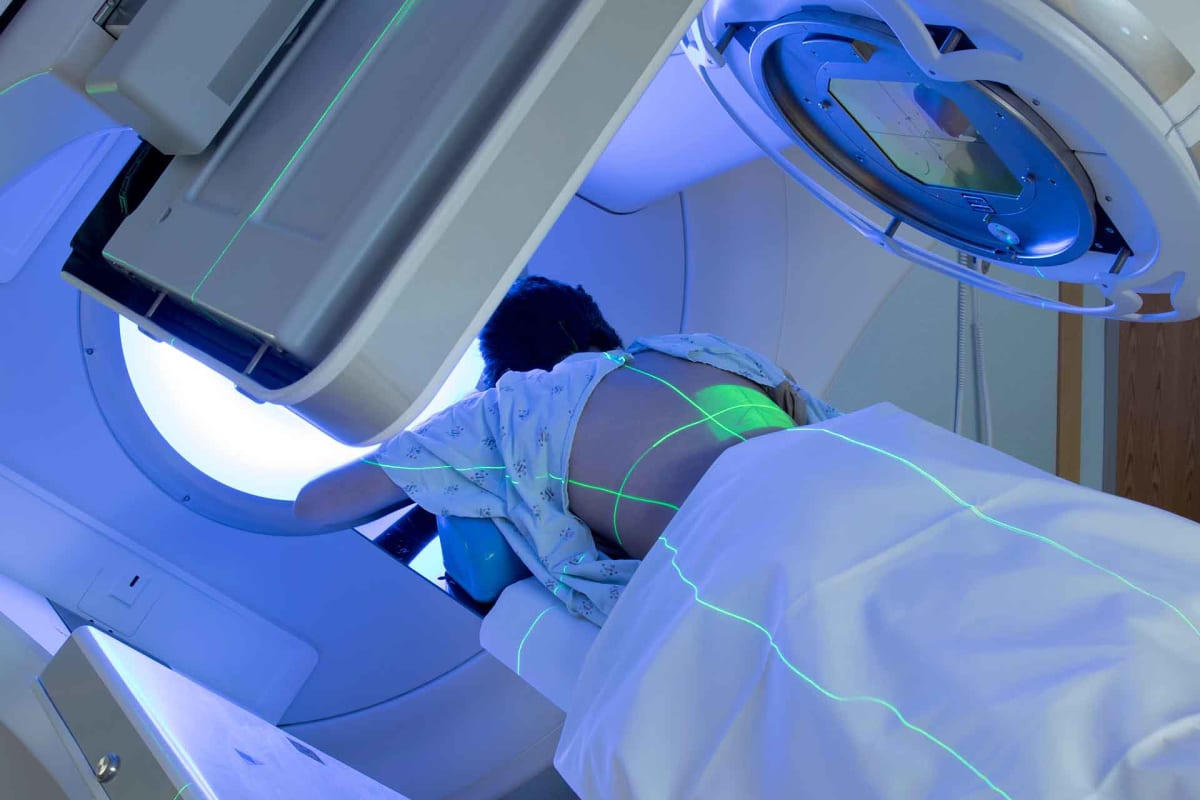
Patients with oropharyngeal cancer considering proton therapy may face a higher risk of severe dry mouth compared to those receiving photon therapy, according to a study published in a leading medical journal. The research, led by Steven J. Frank and colleagues, found that intensity modulated proton therapy (IMPT) was associated with a significantly increased risk of grade 3 xerostomia, a condition that can severely impair oral function and quality of life.
What Happened
Researchers analyzed outcomes from patients undergoing radiation therapy for oropharyngeal cancer, comparing those treated with intensity modulated proton therapy (IMPT) to those receiving intensity modulated radiation therapy (IMRT). The study, published in a top tier medical journal, revealed that patients treated with IMPT had a higher incidence of grade 3 xerostomia, a severe form of dry mouth that can make oral nutrition impossible. According to the Common Toxicity Criteria for Adverse Events (CTCAE), grade 3 xerostomia is characterized by an inability to eat or drink adequately, the need for tube feeding or total parenteral nutrition, and an unstimulated salivary flow rate below 0.1 mL per minute.
Why Public Health Officials Are Concerned
Public health experts and oncologists are raising concerns about the implications of these findings, particularly as proton therapy is often marketed as a more precise and gentler alternative to photon therapy. The study challenges this assumption, suggesting that proton therapy may not always deliver the expected benefits in terms of reducing side effects. For patients already facing the physical and emotional toll of throat cancer, the added risk of severe dry mouth could further compromise their quality of life, leading to malnutrition, depression, and long term complications.
Symptoms or Risk Factors
Grade 3 xerostomia, as defined by the CTCAE, presents with the following symptoms and complications:
- Inability to consume food or liquids orally due to extreme dryness
- Requirement for artificial nutrition, such as tube feeding or total parenteral nutrition
- Significantly reduced salivary flow, measuring less than 0.1 mL per minute
- Persistent discomfort, pain, or difficulty speaking and swallowing
Who May Be Affected
This study primarily affects patients diagnosed with oropharyngeal cancer who are considering radiation therapy as part of their treatment plan. The findings are particularly relevant for those who may be weighing the benefits of proton therapy against its potential risks. Additionally, healthcare providers, including oncologists and radiation therapists, should take note of these findings to ensure patients are fully informed about the risks associated with different treatment options.
Government or WHO Response
As of the publication of this study, there has been no official response from government health agencies or the World Health Organization regarding the findings. However, the medical community is expected to review the study's conclusions and consider whether additional guidelines or recommendations are needed to inform treatment decisions for oropharyngeal cancer patients.
Prevention and Safety Guidance
Patients and healthcare providers should consider the following steps to mitigate the risk of severe dry mouth during radiation therapy:
- Engage in detailed discussions with oncologists about the risks and benefits of IMPT versus IMRT before making treatment decisions.
- Request baseline salivary flow testing to assess oral function prior to treatment and monitor for changes during therapy.
- Explore supportive care options, such as artificial saliva substitutes, oral moisturizers, or preventive measures like acupuncture, to manage dry mouth symptoms.
- Consider participating in clinical trials that focus on developing salivary gland sparing radiation techniques or advanced proton therapy protocols.
What Readers Should Know
Patients with oropharyngeal cancer should approach their treatment decisions with caution and ensure they are fully informed about the potential risks of severe dry mouth. While proton therapy may offer advantages in certain cases, the findings of this study suggest that it may not always be the safer option. Patients should advocate for themselves by asking their medical team about the risks of grade 3 xerostomia and exploring all available supportive care options to protect their quality of life during and after treatment.
Key Takeaways
- Proton therapy (IMPT) for oropharyngeal cancer may increase the risk of severe dry mouth (grade 3 xerostomia) compared to photon therapy (IMRT).
- Grade 3 xerostomia can lead to significant complications, including the inability to eat or drink orally, requiring artificial nutrition.
- Patients should discuss the risks and benefits of IMPT and IMRT with their oncologists before making treatment decisions.
- Supportive care options, such as artificial saliva substitutes and oral moisturizers, can help manage dry mouth symptoms during treatment.
- Further research is needed to confirm these findings and develop strategies to reduce the risk of severe dry mouth in radiation therapy.
Frequently Asked Questions
What is the difference between proton therapy and photon therapy for throat cancer?
Proton therapy uses charged particles to deliver radiation, while photon therapy uses X rays. Proton therapy is often marketed as more precise, potentially sparing healthy tissue, but the study suggests it may carry a higher risk of severe dry mouth for oropharyngeal cancer patients.
What is grade 3 xerostomia, and how is it treated?
Grade 3 xerostomia is a severe form of dry mouth that can make oral nutrition impossible. It may require tube feeding or total parenteral nutrition. Treatment focuses on managing symptoms with artificial saliva substitutes, oral moisturizers, and other supportive care measures.
Should I avoid proton therapy for throat cancer based on this study?
Not necessarily. The study highlights a potential risk, but treatment decisions should be individualized. Discuss the risks and benefits with your oncologist to determine the best option for your specific case.
Are there any preventive measures to reduce the risk of severe dry mouth during radiation therapy?
Patients can explore supportive care options like artificial saliva substitutes, oral moisturizers, and acupuncture. Additionally, participating in clinical trials that focus on salivary gland sparing techniques may provide further protection.
What should I ask my oncologist about radiation therapy for throat cancer?
Ask about the risks and benefits of proton therapy versus photon therapy, the likelihood of developing severe dry mouth, and available supportive care options. Request baseline salivary flow testing and ongoing monitoring during treatment.
Medical Review: MedSense Editorial Board






DISCUSSION (0)
POST A COMMENT