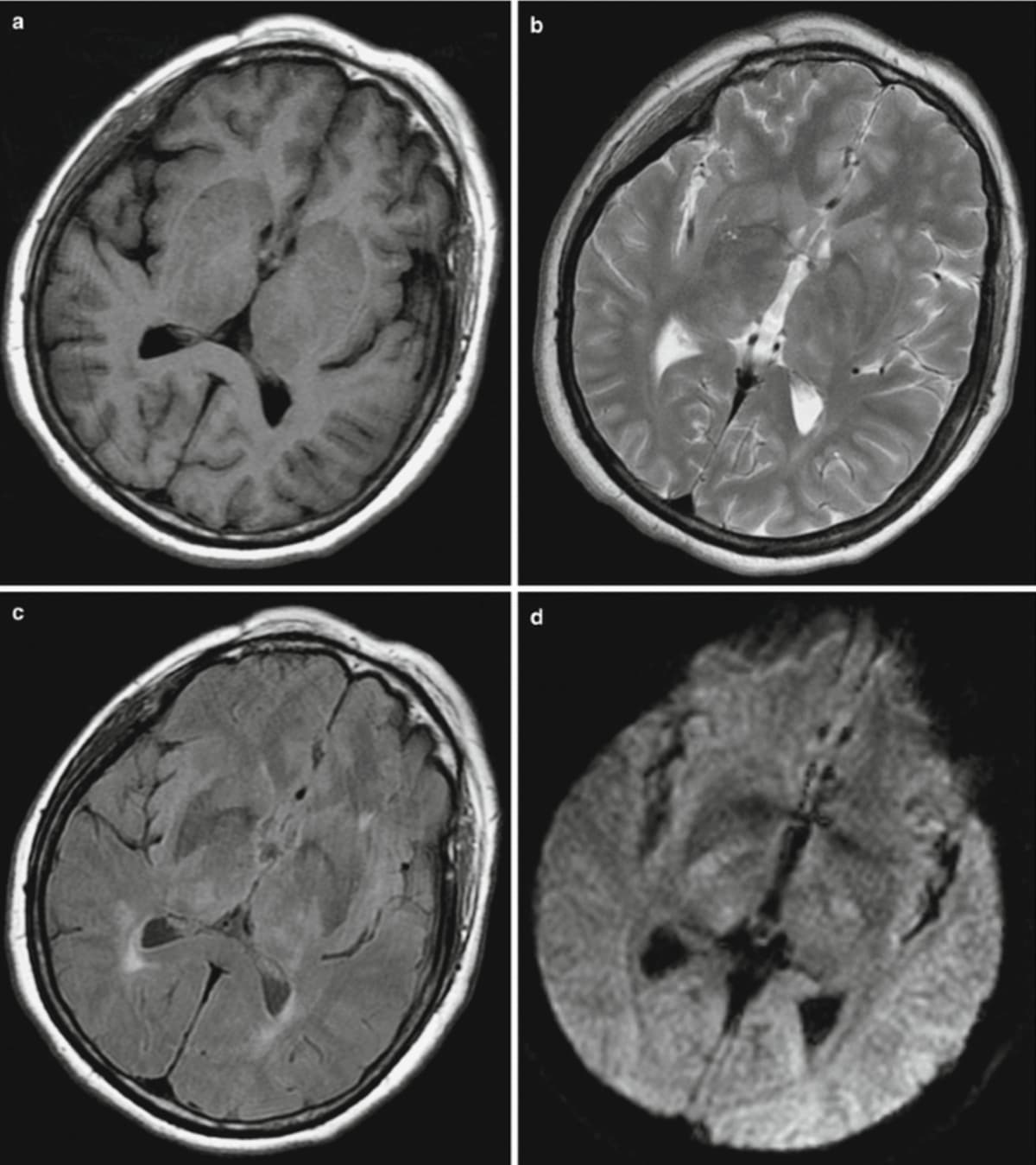
Encephalitis, a severe inflammation of the brain, is surging worldwide, driven by climate shifts, travel and gaps in medical detection. While often overlooked or misdiagnosed, the condition can lead to permanent disability or death if treatment is delayed. Public health officials are calling for faster recognition of symptoms, improved diagnostic tools and immediate intervention to curb the growing threat.
What Happened
Encephalitis cases are increasing globally, fueled by rising temperatures that expand the range of mosquito borne viruses such as West Nile and Japanese encephalitis. At the same time, autoimmune forms of the disease, triggered by the body’s own antibodies, are being identified more frequently. Many hospitals still struggle to distinguish between infectious and autoimmune causes, leading to delayed or incorrect treatment.
Why Public Health Officials Are Concerned
Public health agencies are alarmed by the dual drivers of encephalitis: environmental changes and diagnostic limitations. The World Health Organization (WHO) has flagged encephalitis as a growing concern, particularly in regions experiencing warmer climates and increased travel. Autoimmune encephalitis, once considered rare, is now recognized as a major contributor to brain inflammation cases, complicating treatment decisions.
Symptoms or Risk Factors
Encephalitis often begins with flu like symptoms, including fever, headache and fatigue. As the condition progresses, patients may experience confusion, seizures, personality changes or difficulty speaking. Severe cases can lead to coma or death. Autoimmune encephalitis may present with psychiatric symptoms, movement disorders or memory loss, which can be mistaken for psychiatric illness.
Who May Be Affected
The disease does not discriminate by age or geography. Children, older adults and immunocompromised individuals are at higher risk from viral encephalitis, while autoimmune forms can strike otherwise healthy adults. Travelers to regions with mosquito borne viruses and individuals with a history of autoimmune disorders are particularly vulnerable.
Government or WHO Response
The WHO has included encephalitis in its list of priority diseases for research and preparedness. National health agencies, including the U.S. Centers for Disease Control and Prevention (CDC), are updating guidelines to improve early detection and treatment. Efforts are underway to expand access to advanced diagnostic tools, such as nucleic acid testing and autoantibody panels, in underserved regions.
Prevention and Safety Guidance
Prevention strategies focus on reducing exposure to mosquito borne viruses and improving clinical awareness. The CDC recommends using insect repellent, wearing long sleeves and pants in high risk areas, and eliminating standing water where mosquitoes breed. For autoimmune encephalitis, early recognition of symptoms and prompt referral to specialists are critical. Clinicians are urged to consider encephalitis in patients with unexplained neurological symptoms, especially those with recent infections or autoimmune conditions.
What Readers Should Know
Encephalitis is a medical emergency that requires immediate attention. If you or someone you know develops sudden fever, confusion, seizures or changes in behavior, seek emergency care without delay. Advocate for thorough testing, including cerebrospinal fluid analysis and advanced imaging, to ensure accurate diagnosis. Public awareness and advocacy for better diagnostic tools can help reduce the burden of this preventable but often overlooked condition.
Key Takeaways
- Encephalitis cases are rising due to climate change, travel and diagnostic gaps.
- Symptoms include fever, confusion, seizures and personality changes.
- Autoimmune encephalitis is increasingly recognized as a major cause of brain inflammation.
- Early diagnosis and treatment are critical to prevent permanent damage or death.
- Prevention includes mosquito control and prompt medical evaluation for neurological symptoms.
Frequently Asked Questions
What is encephalitis and what causes it?
Encephalitis is inflammation of the brain, often caused by viral infections such as herpes simplex virus or mosquito borne viruses like West Nile. Autoimmune encephalitis occurs when the body’s immune system mistakenly attacks brain tissue.
What are the early signs of encephalitis?
Early symptoms often resemble the flu, including fever, headache and fatigue. As the condition progresses, patients may experience confusion, seizures, personality changes or difficulty speaking.
How is encephalitis diagnosed?
Diagnosis typically involves cerebrospinal fluid analysis, nucleic acid testing for viruses and autoantibody panels to identify immune system attacks on the brain. MRI and EEG may also be used to rule out other conditions.
Can encephalitis be prevented?
Prevention focuses on reducing mosquito exposure through repellent use, protective clothing and eliminating standing water. Prompt medical evaluation for neurological symptoms can also help prevent severe outcomes.
What treatments are available for encephalitis?
Treatment depends on the cause. Antiviral medications are used for viral encephalitis, while autoimmune forms may require immunotherapy such as steroids or intravenous immunoglobulin (IVIG). Early intervention is critical.
Medical Review: MedSense Editorial Board








DISCUSSION (0)
POST A COMMENT