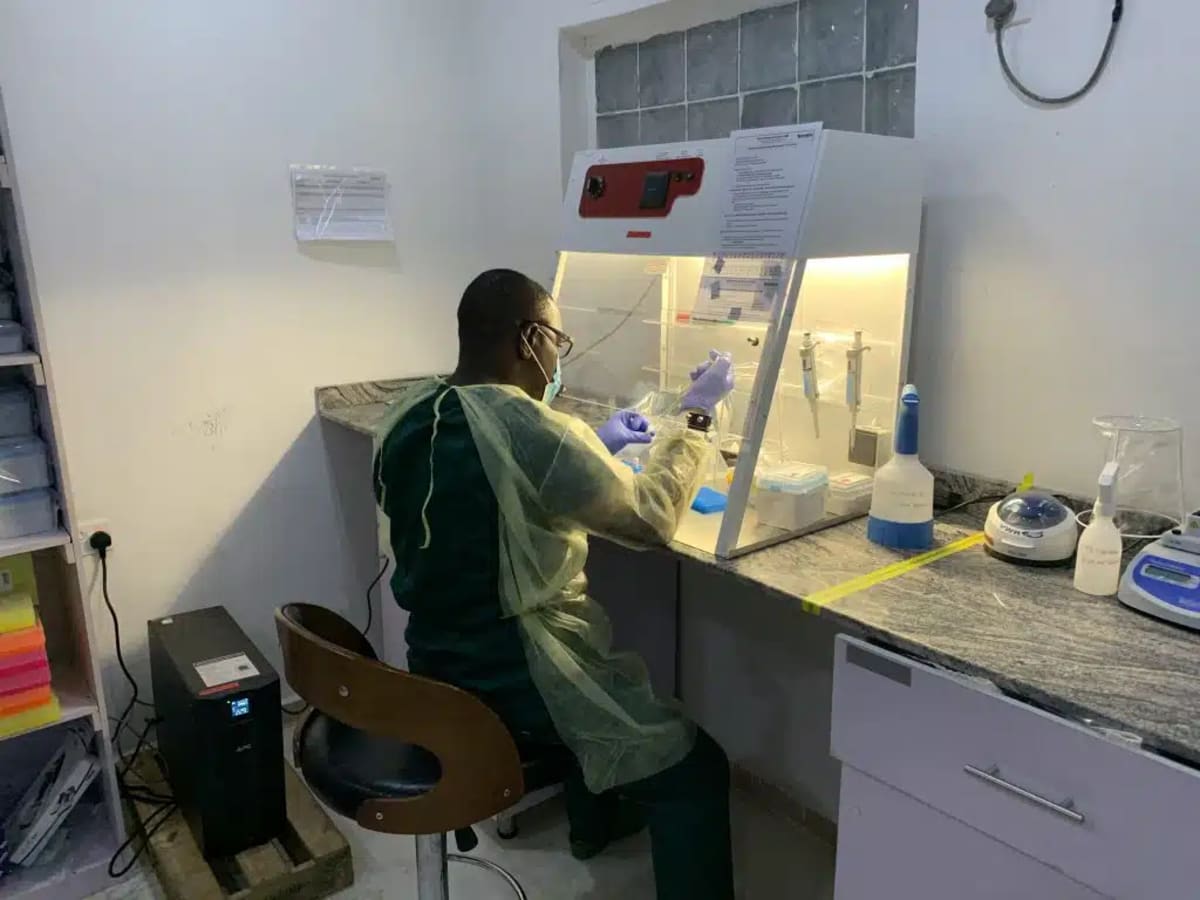
For decades, Lassa fever has claimed thousands of lives across West Africa with no targeted treatment available. That changed this week with the publication of a randomized clinical trial showing that the antiviral drug favipiravir can cut death rates in half for patients with the deadly hemorrhagic disease.
Conducted by researchers at the Bernhard Nocht Institute for Tropical Medicine and the University Medical Center Hamburg Eppendorf, the study published in Nature Medicine represents the first scientifically validated therapy for Lassa fever, a disease that infects an estimated 300,000 people annually and kills up to 15% of hospitalized patients.
What Happened
The trial enrolled 140 patients with confirmed Lassa fever across multiple West African treatment centers. Participants were randomly assigned to receive either favipiravir or standard supportive care, which until now was the only available treatment option. The results showed a statistically significant reduction in mortality among those receiving favipiravir, with the drug demonstrating rapid viral clearance in treated patients.
Why Public Health Officials Are Concerned
Despite its promise, Lassa fever remains a major public health threat in West Africa, where outbreaks often overwhelm local healthcare systems. The disease spreads primarily through contact with infected multimammate rats, which contaminate food and living spaces. In 2023 alone, Nigeria, Sierra Leone, and Liberia reported over 1,000 confirmed cases and hundreds of deaths. The World Health Organization has designated Lassa fever as a priority pathogen due to its epidemic potential and the absence of effective countermeasures.
Symptoms or Risk Factors
Lassa fever typically begins with flu like symptoms such as fever, headache, and muscle pain, which often mimic malaria or other common infections. This diagnostic challenge delays treatment and worsens outcomes. Severe cases can progress to hemorrhagic complications, organ failure, and death. High risk groups include people living in rural areas with poor rodent control, those consuming contaminated food or water, and individuals in close contact with infected persons or bodily fluids.
Who May Be Affected
While Lassa fever is endemic to West Africa, travelers and healthcare workers returning from the region are also at risk. The disease poses a particular threat to communities with limited access to healthcare, where delayed diagnosis and supportive care alone are often insufficient. Pregnant women and individuals with weakened immune systems face higher risks of severe complications.
Government or WHO Response
The World Health Organization has been monitoring Lassa fever outbreaks closely and supports efforts to expand diagnostic capacity and outbreak response in endemic countries. The organization has not yet issued formal recommendations for favipiravir use, pending further data and regulatory approvals. National health ministries in Nigeria, Sierra Leone, and Liberia are evaluating the trial results to inform their treatment protocols.
Prevention and Safety Guidance
Until favipiravir becomes widely available, prevention remains the most effective strategy against Lassa fever. Public health experts recommend eliminating rodent habitats by storing food in sealed containers, maintaining clean living environments, and practicing safe food handling. Travelers to endemic regions should avoid contact with rodents and use protective gear when handling potentially contaminated materials. Early medical consultation is critical for anyone experiencing persistent fever, vomiting, or bleeding.
What Readers Should Know
This trial marks a turning point in the fight against Lassa fever, offering the first evidence based treatment option for a disease that has long lacked targeted therapies. While challenges remain in scaling up production and distribution, the results provide hope for millions at risk. Readers should stay informed about local health advisories, support efforts to improve healthcare infrastructure in endemic regions, and advocate for equitable access to new treatments as they become available.
Key Takeaways
- Favipiravir is the first drug shown to reduce Lassa fever mortality by 50% in a randomized clinical trial.
- The disease infects an estimated 300,000 people annually in West Africa, with a case fatality rate of up to 15% in hospitalized patients.
- Prevention remains critical, including rodent control, safe food handling, and early medical care for symptomatic individuals.
- Health authorities are evaluating the trial results to inform treatment protocols and outbreak response strategies.
- Equitable access to favipiravir will be essential to ensure the drug reaches high risk communities in resource limited settings.
Frequently Asked Questions
What is Lassa fever and how is it transmitted?
Lassa fever is a viral hemorrhagic illness caused by the Lassa virus, primarily transmitted to humans through contact with infected multimammate rats. The disease can also spread through direct contact with infected bodily fluids or contaminated materials.
How effective is favipiravir in treating Lassa fever?
In the clinical trial, favipiravir reduced mortality by 50% compared to standard supportive care alone. The drug also demonstrated rapid viral clearance in treated patients, suggesting potential benefits for reducing transmission and severe complications.
Is favipiravir currently available for treatment?
The drug is not yet widely available for Lassa fever treatment. The trial results are being evaluated by health authorities and regulatory bodies, and further data is needed before formal recommendations can be issued.
What are the early symptoms of Lassa fever?
Early symptoms include fever, headache, muscle pain, sore throat, and general weakness. These symptoms often resemble malaria or other common infections, which can delay diagnosis and treatment.
How can I protect myself from Lassa fever?
Prevention strategies include eliminating rodent habitats, storing food in sealed containers, practicing safe food handling, and avoiding contact with potentially contaminated materials. Travelers to endemic regions should use protective gear and seek early medical care if symptoms develop.
Medical Review: MedSense Editorial Board








DISCUSSION (0)
POST A COMMENT