What Happened
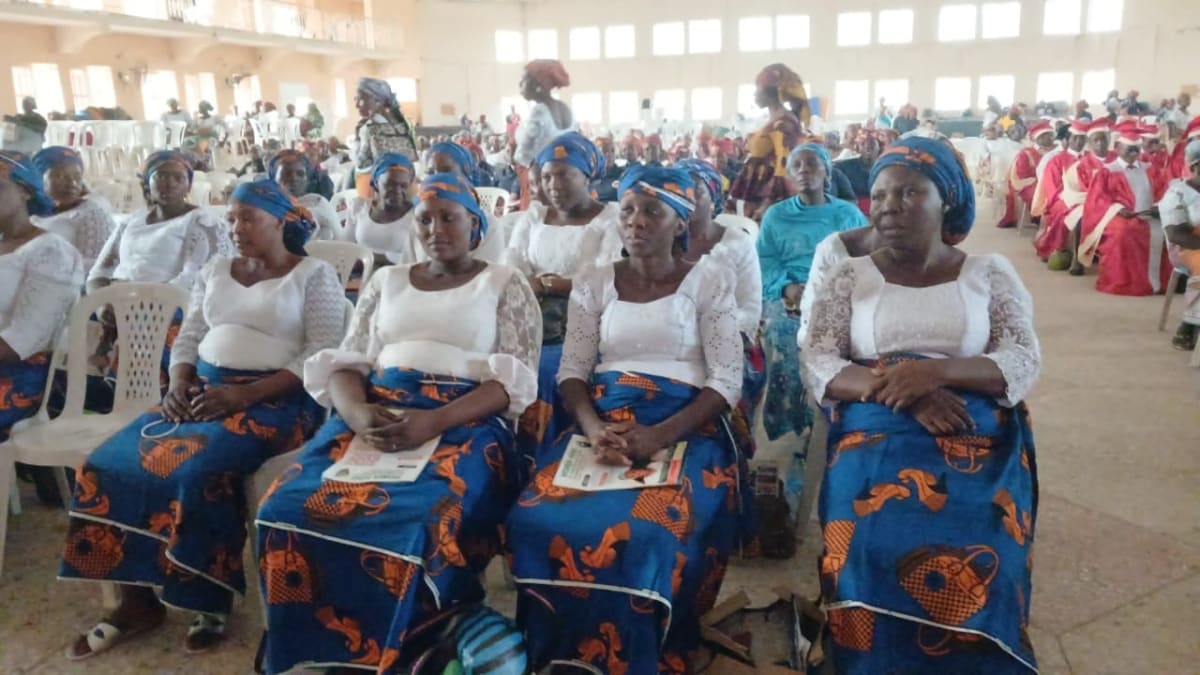
The annual women's convention of the Evangelical Church Winning All, held at the Christian Association of Nigeria Centre in Gombe, became a platform for transformative health education. Over 500 women from diverse backgrounds participated in sessions focused on sexual and reproductive health rights, the prevention of communicable diseases, and maternal healthcare. The program also placed special emphasis on cervical cancer, a disease that claims thousands of lives in Nigeria each year due to late detection and limited access to screening.
The initiative drew support from the Johns Hopkins Program for International Education in Gynecology and Obstetrics, a globally recognized leader in women's health training. While the original article did not specify the exact role of Johns Hopkins, such collaborations typically involve technical guidance, training for local health workers, and the development of culturally appropriate educational materials. This partnership underscores the importance of combining local outreach with evidence based medical expertise.
Why Public Health Officials Are Concerned
Cervical cancer remains a pressing public health challenge in Nigeria, where an estimated 12,000 new cases are diagnosed annually, and nearly 8,000 women die from the disease each year. The World Health Organization identifies Nigeria as one of the countries with the highest cervical cancer burden in Africa, driven by factors such as low screening rates, limited access to vaccination, and persistent myths about the disease. In Gombe State, where healthcare infrastructure faces additional strain from regional instability, community based interventions like this one play a crucial role in bridging the gap.
Reproductive health education is equally critical. Nigeria continues to grapple with high maternal mortality rates, with the northeastern region experiencing some of the worst outcomes. According to the 2018 Nigeria Demographic and Health Survey, only about 57% of women in the region receive antenatal care from skilled providers, and just 28% deliver in health facilities. Programs that empower women with knowledge about their bodies, rights, and available services can help shift these statistics.
Who May Be Affected
This initiative directly benefits women of reproductive age in Gombe State, particularly those in rural and underserved communities where health literacy is often low. Cervical cancer disproportionately affects women in their 30s to 50s, making early education and screening vital for this demographic. The program also indirectly supports families and communities, as healthier women are better able to care for their children, contribute to household stability, and participate in economic activities.
Healthcare workers in the region may also see long term benefits. By increasing demand for screening and preventive services, such programs can help strengthen local health systems and create opportunities for further training and resource allocation.
Prevention and Safety Guidance
For women in Gombe and similar settings, the following steps can reduce the risk of cervical cancer and improve reproductive health outcomes:
- Regular Screening: The WHO recommends that women aged 30 to 49 undergo cervical cancer screening at least once, with more frequent testing for those at higher risk. Visual inspection with acetic acid and HPV testing are effective and increasingly available in Nigeria.
- HPV Vaccination: The human papillomavirus vaccine, which protects against the strains most likely to cause cervical cancer, is now part of Nigeria's national immunization program. Girls aged 9 to 14 are the primary target group, but catch up vaccination may be available for older adolescents and young women.
- Safe Sexual Practices: Consistent condom use can reduce the risk of HPV transmission and other sexually transmitted infections. Open conversations with partners about sexual health are also encouraged.
- Maternal Health Care: Attending antenatal care visits, delivering in a health facility, and seeking postnatal care can significantly reduce complications during pregnancy and childbirth.
- Health Education: Participating in community health programs and seeking reliable information from trusted sources can help women make informed decisions about their health.
What Readers Should Know
This initiative highlights the power of community driven health education, particularly in regions where formal healthcare access is limited. By leveraging the trust and reach of religious institutions, public health advocates can deliver life saving information to women who might otherwise be overlooked. However, sustained impact requires more than one off events. Long term success depends on follow up services, such as accessible screening clinics, trained healthcare providers, and policies that support women's health rights.
For women in Gombe and beyond, the message is clear: knowledge is a critical tool for prevention. Cervical cancer is highly treatable when detected early, and reproductive health challenges can often be managed with the right information and support. Programs like this one serve as a reminder that health education is not a luxury but a necessity, especially in communities where the stakes are highest.
Key Takeaways
- Over 500 women in Gombe State received education on reproductive health, cervical cancer prevention, and maternal care during a church led convention supported by international health experts.
- Cervical cancer is a leading cause of cancer related deaths among Nigerian women, with low screening rates and limited access to vaccination contributing to the high burden.
- Community based health programs, particularly those leveraging trusted local institutions, can play a vital role in improving health outcomes in underserved regions.
- Prevention strategies such as regular screening, HPV vaccination, safe sexual practices, and maternal healthcare can significantly reduce risks for women in high burden areas.
- Sustained impact requires ongoing support, including accessible health services, trained providers, and policies that prioritize women's health rights.
Frequently Asked Questions
What is cervical cancer, and why is it a major concern in Nigeria?
Cervical cancer is a type of cancer that develops in the cervix, the lower part of the uterus. It is primarily caused by persistent infection with high risk strains of the human papillomavirus. In Nigeria, cervical cancer is a major concern due to high incidence rates, late stage diagnosis, and limited access to screening and treatment. It is one of the leading causes of cancer related deaths among Nigerian women.
How can women in Gombe and similar regions access cervical cancer screening?
Women in Gombe can access cervical cancer screening through local health facilities, mobile clinics, and community health programs. The WHO recommends visual inspection with acetic acid or HPV testing for screening. Women are encouraged to inquire at their nearest health center or participate in community health initiatives for more information.
What role do religious institutions play in public health initiatives?
Religious institutions often serve as trusted community hubs with extensive reach, particularly in regions where formal healthcare access is limited. They can facilitate health education, dispel myths, and encourage participation in preventive services. Programs like the one in Gombe demonstrate how faith based organizations can partner with health experts to deliver life saving information.
What are the symptoms of cervical cancer that women should watch for?
Early stage cervical cancer may not cause noticeable symptoms. As the disease progresses, women may experience abnormal vaginal bleeding, such as bleeding between periods, after sex, or after menopause. Other symptoms include unusual vaginal discharge, pelvic pain, or pain during intercourse. Women experiencing these symptoms should seek medical attention promptly.
How effective is the HPV vaccine in preventing cervical cancer?
The HPV vaccine is highly effective in preventing infection with the high risk strains of the virus that cause most cervical cancers. When administered before exposure to the virus, typically in early adolescence, the vaccine can reduce the risk of cervical cancer by up to 90%. Nigeria has included the HPV vaccine in its national immunization program to protect young girls.
Medical Review: MedSense Editorial Board

















DISCUSSION (0)
POST A COMMENT