What Happened
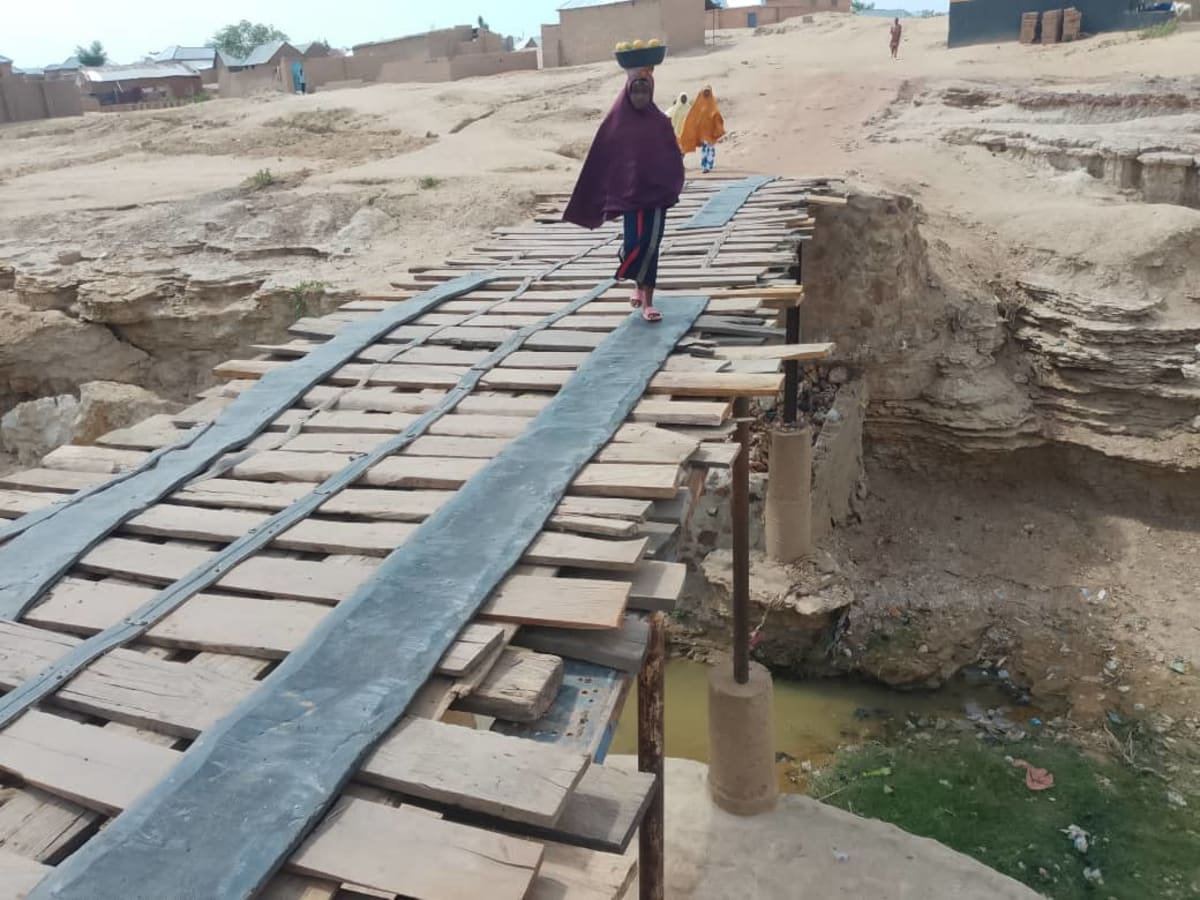
The Afghanistan Community in Garko Ward, Akko Local Government Area of Gombe State, becomes completely isolated during the rainy season when floodwaters submerge its sole wooden bridge. This critical link to neighboring towns and the nearest healthcare center becomes impassable for weeks at a time, cutting off over 4,000 residents from medical care, education, and markets. The most severe impact falls on pregnant women, who face life threatening delays in reaching emergency obstetric services.
Why Public Health Officials Are Concerned
This recurring crisis highlights three major public health risks. First, the lack of reliable transportation infrastructure directly contributes to maternal mortality, which remains stubbornly high in Nigeria's rural areas. Second, the seasonal nature of the problem creates a predictable pattern of preventable deaths that could be addressed with proper planning. Third, the isolation affects not just healthcare but also nutrition, education, and economic stability, creating a cycle of vulnerability that disproportionately affects women and children.
Symptoms or Risk Factors
While not a disease outbreak, this situation creates specific health risks including:
- Prolonged labor leading to obstructed birth
- Postpartum hemorrhage due to delayed medical intervention
- Infections from unsanitary delivery conditions
- Eclampsia and other pregnancy complications
- Malnutrition in pregnant women due to market inaccessibility
Who May Be Affected
The crisis primarily impacts:
- Pregnant women requiring emergency obstetric care
- Children needing routine vaccinations or treatment for common illnesses
- Elderly residents with chronic conditions requiring regular medication
- Students who miss weeks of education during flood seasons
- The entire community's economic stability due to market isolation
Government Response
Local health officials have acknowledged the severity of the situation, though concrete solutions remain elusive. The Gombe State Ministry of Health has previously conducted outreach programs during dry seasons, but these temporary measures fail to address the structural problem. The state government has cited funding constraints for infrastructure projects, while federal emergency response teams have limited capacity to address localized seasonal crises. Community leaders continue to advocate for a permanent bridge solution that can withstand seasonal flooding.
Prevention and Safety Guidance
Until permanent infrastructure is established, health experts recommend:
- Community health workers establishing temporary birthing centers during flood seasons
- Training local birth attendants in emergency obstetric care
- Stockpiling essential medications and supplies before rainy seasons
- Developing early warning systems for pregnant women nearing delivery dates
- Creating community emergency funds to support transportation during crises
What Readers Should Know
This situation in Gombe State represents a broader challenge across Nigeria's rural communities, where seasonal flooding regularly disrupts healthcare access. The crisis underscores how infrastructure failures can directly translate to preventable deaths, particularly among vulnerable populations. While immediate solutions focus on temporary measures, long term public health improvements require sustained investment in resilient infrastructure and community based healthcare systems. The pattern seen in Afghanistan Community serves as a case study for similar vulnerable regions across West Africa's flood prone areas.
Key Takeaways
- Over 4,000 residents in Gombe State's Afghanistan Community lose healthcare access during rainy season floods due to a collapsed bridge
- Pregnant women face life threatening delays in reaching emergency obstetric care, resulting in preventable maternal deaths
- The crisis highlights systemic vulnerabilities in Nigeria's rural healthcare infrastructure during seasonal flooding
- Temporary solutions include community birthing centers and trained local birth attendants, but permanent infrastructure is urgently needed
Frequently Asked Questions
How many people are affected by the collapsed bridge in Gombe State?
Over 4,000 residents of the Afghanistan Community in Garko Ward are cut off from essential services during rainy season floods.
What are the main health risks for pregnant women in this situation?
Pregnant women face risks including obstructed labor, postpartum hemorrhage, infections from unsanitary conditions, and eclampsia due to delayed medical care.
What temporary solutions could help until a permanent bridge is built?
Health experts recommend establishing temporary birthing centers, training local birth attendants, stockpiling medical supplies, and creating early warning systems for pregnant women.
Is this an isolated problem or part of a larger issue?
This represents a broader challenge across Nigeria's rural communities, where seasonal flooding regularly disrupts healthcare access in flood prone regions.
Medical Review: MedSense Editorial Board











DISCUSSION (0)
POST A COMMENT