
In a major setback for global HIV prevention efforts, 62 countries including Nigeria have experienced severe funding cuts to condom distribution programs, with reductions exceeding 90% in some regions. The funding shortfall, confirmed by international health agencies, threatens to reverse decades of progress in controlling the spread of HIV, particularly in high burden areas across Africa and Asia. Public health officials warn that the cuts could lead to a resurgence of new infections, undermining years of investment in sexual health education and prevention strategies. The reductions come at a time when HIV remains a persistent global health challenge, with an estimated 1.3 million new infections reported worldwide in 2022 alone. Condoms, long considered a cornerstone of HIV prevention, have become increasingly inaccessible in many low and middle income countries due to the funding crisis. The situation raises urgent questions about the sustainability of global health initiatives and the potential consequences for vulnerable populations.
What Happened
Funding for HIV prevention programs, specifically condom distribution, has been slashed in 62 countries, with some nations facing cuts of more than 90%. The reductions follow shifts in global health funding priorities and budget reallocations by international donors, including major agencies like the Global Fund to Fight AIDS, Tuberculosis and Malaria. While the exact figures vary by country, reports indicate that several African nations, including Nigeria, have seen near total elimination of support for condom procurement and distribution.
The funding cuts affect not only condom availability but also associated programs such as community outreach, sexual health education, and testing services. In many regions, condoms were distributed free of charge or at subsidized rates through public health clinics, schools, and community centers. With funding withdrawn, these programs have either scaled back dramatically or shut down entirely, leaving millions without access to one of the most effective tools for preventing HIV transmission.
Why Public Health Officials Are Concerned
Condoms are one of the most cost effective methods for preventing HIV transmission, with studies showing they reduce the risk of infection by up to 95% when used consistently and correctly. The World Health Organization (WHO) and UNAIDS have long emphasized the importance of condom availability as part of a comprehensive HIV prevention strategy, particularly in regions with high prevalence rates. The sudden reduction in funding undermines these efforts and could lead to a rise in new infections, particularly among key populations such as sex workers, men who have sex with men, and young people.
Public health experts warn that the funding cuts could have a cascading effect on broader health outcomes. Reduced condom availability may lead to increases in other sexually transmitted infections (STIs) and unintended pregnancies, further straining already overburdened healthcare systems. Additionally, the cuts come at a time when many countries are grappling with the economic and social fallout of the COVID 19 pandemic, which has already disrupted healthcare services and increased vulnerability among marginalized communities.
Who May Be Affected
The funding cuts disproportionately impact low and middle income countries, where HIV prevalence remains high and access to healthcare is often limited. In sub Saharan Africa, where nearly two thirds of all people living with HIV reside, the reductions in condom distribution could have particularly severe consequences. Nigeria, for example, has one of the largest HIV epidemics in the world, with an estimated 1.9 million people living with the virus. Young people aged 15 24 are among the most vulnerable, with HIV prevalence rates rising in this demographic in recent years.
Key populations, including sex workers, transgender individuals, and men who have sex with men, are also at heightened risk. These groups often face legal and social barriers to accessing healthcare, making free or low cost condoms a critical resource. The funding cuts exacerbate existing inequalities and could lead to increased stigma and discrimination, further hindering efforts to control the epidemic.
Government and WHO Response
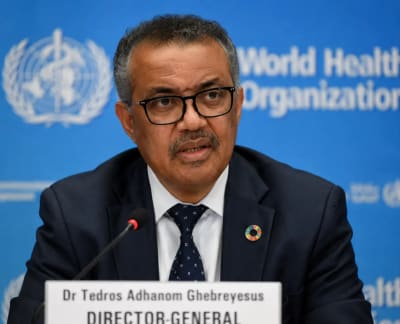
In response to the funding crisis, the WHO and UNAIDS have called for urgent action to restore and increase support for HIV prevention programs. In a joint statement, the agencies emphasized the need for sustained investment in condom distribution, noting that the cuts could undermine global targets to end the AIDS epidemic by 2030. The statement also highlighted the importance of integrating condom programs into broader sexual and reproductive health services to ensure long term sustainability.
Some affected countries are exploring alternative funding mechanisms, including domestic resource mobilization and partnerships with private sector organizations. However, experts caution that these efforts may not be sufficient to fill the gap left by international donors. In Nigeria, for example, the government has pledged to increase its own funding for HIV programs, but budget constraints and competing health priorities make it difficult to scale up support quickly.
Prevention and Safety Guidance
For individuals in affected countries, the funding cuts underscore the importance of taking proactive steps to reduce HIV risk. Public health officials recommend the following measures:
- Consistent and Correct Condom Use: While access may be limited, individuals should continue to use condoms consistently and correctly during sexual activity to reduce the risk of HIV transmission and other STIs.
- Regular HIV Testing: Knowing one's HIV status is critical for early diagnosis and treatment. Many countries still offer free or low cost testing through public health clinics and community based organizations.
- Pre Exposure Prophylaxis (PrEP): PrEP, a daily medication that reduces the risk of HIV infection, is increasingly available in some regions. Individuals at high risk of HIV should consult a healthcare provider to determine if PrEP is an appropriate option.
- Safe Injection Practices: For individuals who use injectable drugs, using sterile needles and syringes can significantly reduce the risk of HIV transmission.
- Community Support: Engaging with local health organizations and advocacy groups can provide access to resources, education, and support for HIV prevention.
What Readers Should Know
The funding cuts for HIV prevention programs highlight the fragility of global health initiatives and the need for sustained investment in disease control efforts. While the immediate impact is most acute in low and middle income countries, the consequences could ripple across the globe, affecting progress toward ending the AIDS epidemic. Readers are encouraged to stay informed about the issue and support organizations working to restore funding and expand access to HIV prevention tools.
For those living in affected regions, the situation serves as a reminder of the importance of personal responsibility in HIV prevention. While systemic challenges persist, individuals can take steps to protect their health and the health of their partners. Advocacy and community engagement remain critical tools for driving change and ensuring that HIV prevention remains a global priority.
Key Takeaways
- Funding for condom distribution programs has been cut by over 90% in 62 countries, including Nigeria, threatening decades of progress in HIV prevention.
- Condoms are one of the most cost effective tools for preventing HIV transmission, and their reduced availability could lead to a surge in new infections, particularly among vulnerable populations.
- Public health officials warn that the cuts may also increase rates of other sexually transmitted infections and unintended pregnancies, further straining healthcare systems.
- The WHO and UNAIDS have called for urgent action to restore funding, emphasizing that the cuts could undermine global targets to end the AIDS epidemic by 2030.
- Individuals in affected regions should prioritize consistent condom use, regular HIV testing, and other preventive measures to reduce their risk of infection.
Frequently Asked Questions
Why are funding cuts for HIV prevention programs happening now?
The funding cuts are primarily due to shifts in global health priorities and budget reallocations by international donors. Some agencies have redirected funds to other health initiatives, while economic challenges and competing priorities have also played a role. The COVID 19 pandemic has further strained global health budgets, leading to difficult decisions about resource allocation.
Which countries are most affected by the funding cuts?
The funding cuts impact 62 countries, with the most severe reductions reported in low and middle income nations across Africa and Asia. Nigeria, which has one of the largest HIV epidemics in the world, is among the hardest hit. Other affected countries include those with high HIV prevalence rates, such as South Africa, Kenya, and Uganda.
What can individuals do to protect themselves from HIV in the face of these funding cuts?
Individuals can take several steps to reduce their risk of HIV infection, including using condoms consistently and correctly, getting tested regularly for HIV, considering PrEP if they are at high risk, and practicing safe injection methods if applicable. Engaging with local health organizations and advocacy groups can also provide access to resources and support.
How effective are condoms in preventing HIV transmission?
When used consistently and correctly, condoms are highly effective in preventing HIV transmission, reducing the risk by up to 95%. They are also effective in preventing other sexually transmitted infections and unintended pregnancies. Condoms remain one of the most accessible and cost effective tools for HIV prevention, particularly in resource limited settings.
What is being done to address the funding crisis?
The WHO and UNAIDS have called for urgent action to restore funding for HIV prevention programs. Some affected countries are exploring alternative funding mechanisms, such as domestic resource mobilization and partnerships with private sector organizations. However, experts warn that these efforts may not be sufficient to fill the gap left by international donors, and sustained global investment is needed to ensure the long term success of HIV prevention efforts.
Medical Review: MedSense Editorial Board













DISCUSSION (0)
POST A COMMENT