
The World Health Organization faces unprecedented challenges as global health threats multiply. Climate change, antimicrobial resistance, emerging infectious diseases, and health inequities demand coordinated international action. With its unique mandate to direct and coordinate global health efforts, the WHO remains the only entity capable of mobilizing resources, setting standards, and ensuring equitable access to healthcare. Recent crises, including the COVID 19 pandemic and mpox outbreaks, have highlighted both the organization's critical role and the need for sustained support to address evolving threats effectively.
What We Know
The World Health Organization was established in 1948 as the United Nations' specialized agency for international public health. Its core functions include shaping the global health research agenda, setting norms and standards, articulating evidence based policy options, providing technical support to countries, and monitoring health trends. Unlike other international bodies, the WHO holds a constitutional mandate to act as the directing and coordinating authority on international health work.
Recent years have tested this mandate like never before. The COVID 19 pandemic exposed vulnerabilities in global health systems while demonstrating the WHO's unique capacity to convene experts, disseminate guidance, and accelerate research. The organization's role in coordinating vaccine development, declaring public health emergencies, and providing real time data became indispensable during the crisis. Yet the pandemic also revealed gaps in funding, authority, and preparedness that continue to challenge its effectiveness.
Why This Matters
Current global health threats make the WHO's role more critical than ever. Climate change is expanding the range of vector borne diseases, while antimicrobial resistance threatens to undo decades of medical progress. Noncommunicable diseases now account for 74% of global deaths, requiring coordinated prevention strategies. Health inequities persist, with low income countries facing disproportionate burdens of both infectious and chronic diseases.
The WHO remains the only entity with the legitimacy and reach to address these challenges at a global scale. Its technical expertise spans disease surveillance, emergency response, health system strengthening, and policy development. The organization's normative function, setting international health regulations and standards, provides the framework for countries to align their responses. Without this coordination, fragmented national approaches would leave populations vulnerable to cross border health threats.
Public Health Impact
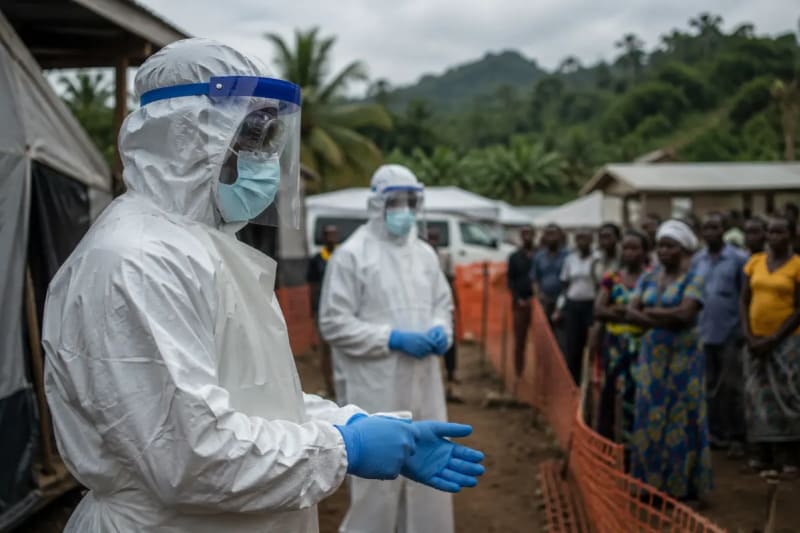
The WHO's work directly affects billions of lives. Its prequalification program ensures the quality of essential medicines, vaccines, and diagnostics, particularly for low and middle income countries. The organization's emergency response teams have contained outbreaks from Ebola to mpox, preventing regional crises from becoming global catastrophes. Its health workforce initiatives support countries in training and retaining medical professionals, addressing critical shortages that undermine care delivery.
Perhaps most importantly, the WHO serves as a trusted source of information in an era of misinformation. During health emergencies, its evidence based guidance helps countries make informed decisions about containment measures, treatments, and resource allocation. This role became particularly vital during the COVID 19 infodemic, where the organization worked to counter false claims that threatened public health efforts.
Challenges and the Path Forward
Despite its essential role, the WHO faces significant challenges. Chronic underfunding limits its ability to respond rapidly to emerging threats. Member states' political considerations sometimes delay critical decisions, as seen during the early stages of the COVID 19 pandemic. The organization has also faced criticism for bureaucratic inefficiencies and slow reform processes.
Recent initiatives aim to address these limitations. The WHO's new pandemic accord, currently under negotiation, seeks to strengthen global preparedness and response capabilities. Reforms to the International Health Regulations aim to improve early warning systems and ensure more timely reporting of outbreaks. The organization has also launched efforts to decentralize its operations, bringing decision making closer to affected regions.
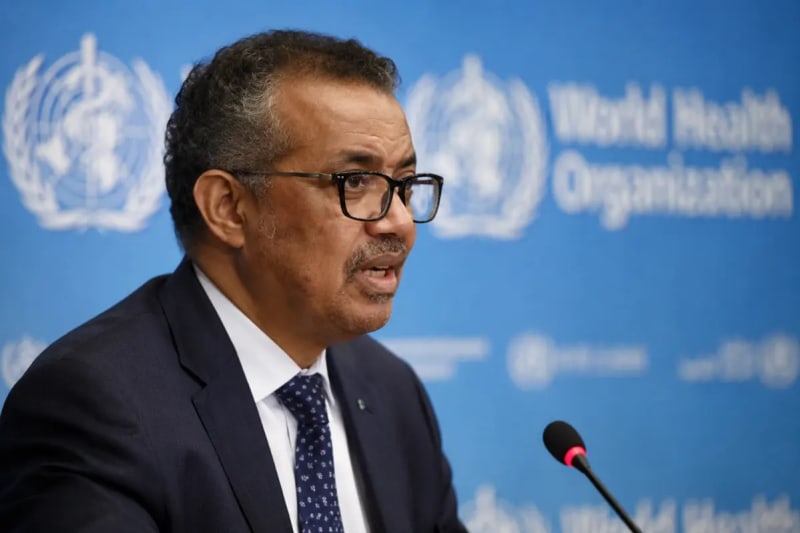
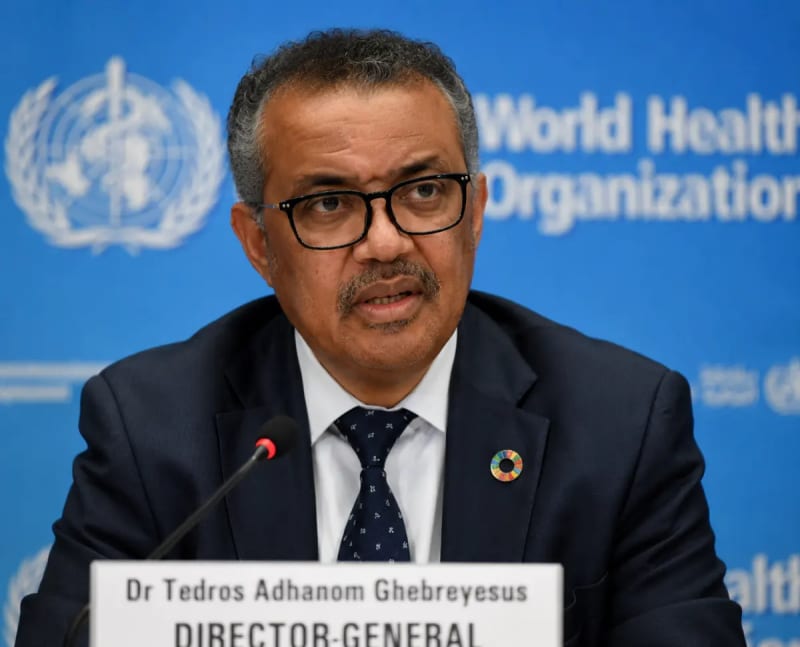
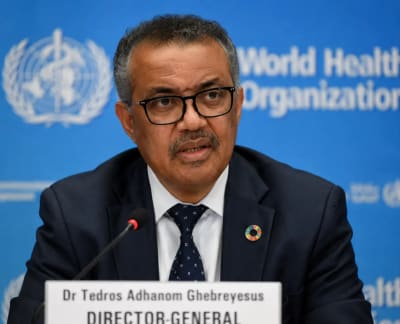
Dr. Tedros Adhanom Ghebreyesus, WHO Director General, has emphasized the need for sustainable financing: "The world spends trillions on health emergencies but pennies on prevention. We must invest in strong health systems before crises hit, not just respond after the fact."
What's Next
The coming years will test the WHO's ability to adapt to evolving health threats. Key priorities include finalizing the pandemic accord, strengthening health emergency preparedness, and addressing the root causes of health inequities. The organization's success will depend on increased political commitment from member states, predictable funding, and continued reform to enhance its agility and effectiveness.
As global health challenges grow more complex, the need for a strong, well resourced WHO has never been clearer. The alternative, fragmented national responses to shared threats, would leave the world dangerously unprepared for the next inevitable health crisis.
Key Takeaways
- The WHO serves as the world's directing and coordinating authority for international public health, with unique legitimacy and reach
- Current global health threats, including pandemics, climate change, and antimicrobial resistance, demand coordinated international action that only the WHO can provide
- Sustained support, funding, and reform are essential to strengthen the WHO's capacity to respond to evolving health challenges
Frequently Asked Questions
What are the WHO's main functions?
The WHO sets global health standards, coordinates emergency responses, provides technical support to countries, monitors health trends, and leads research initiatives. It also prequalifies essential medicines and vaccines to ensure quality and accessibility.
How is the WHO funded?
The WHO receives funding from assessed contributions (dues paid by member states) and voluntary contributions from governments, foundations, and private donors. Voluntary contributions now account for about 80% of its budget, which can create challenges for long term planning.
What reforms are needed to strengthen the WHO?
Key reforms include securing sustainable funding, improving early warning systems for outbreaks, enhancing decision making processes, and decentralizing operations to improve regional responsiveness. The proposed pandemic accord aims to address many of these challenges.
Published by O. Ayodeji | Review by MedSense Editorial Board












DISCUSSION (0)
POST A COMMENT