
A recent audit by the Global Fund's Office of the Inspector General has found World Vision Malawi liable for approximately $126,000 in non compliant spending from a $33 million malaria grant. The audit uncovered systemic control failures, raising serious questions about the organization's ability to manage large scale public health funding. The findings could impact future funding allocations and malaria prevention efforts in Malawi.
Latest Developments
The Global Fund's Office of the Inspector General (OIG) has released an audit report identifying significant financial mismanagement by World Vision Malawi (WVM). The audit found that WVM, a Principal Recipient of Global Fund financing, was responsible for approximately K576 million (US$125,901) in non compliant expenditure within a K151 billion (US$33 million) malaria grant. The report highlights systemic control failures, casting doubt on WVM's suitability to continue managing such substantial funds.
Key Findings
The OIG audit revealed several critical issues in WVM's financial management of the malaria grant. Non compliant expenditures included unsupported payments, inadequate documentation, and failure to adhere to procurement policies. The audit also identified weaknesses in internal controls, which allowed these irregularities to occur. These findings are particularly concerning given the scale of the grant and its importance in combating malaria in Malawi, a country with one of the highest malaria burdens in the world.
Public Health Impact
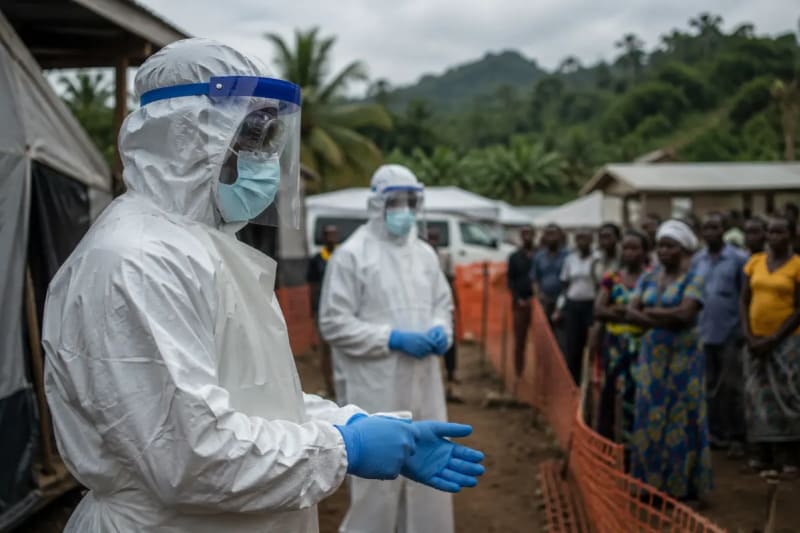
Malawi relies heavily on international funding to support its malaria prevention and treatment programs. The mismanagement of these funds could undermine efforts to reduce malaria related morbidity and mortality, particularly in rural and underserved communities. The Global Fund's malaria grants are critical for distributing insecticide treated bed nets, antimalarial medications, and supporting community health workers. Any disruption in funding or delays in program implementation could have dire consequences for public health outcomes.
The audit's findings also raise broader concerns about accountability and transparency in the management of global health funds. The Global Fund, a major financier of health programs in low and middle income countries, has a zero tolerance policy for fraud and mismanagement. This case may prompt stricter oversight and more rigorous auditing of other Principal Recipients to prevent similar issues.
Response Efforts
The Global Fund has not yet announced specific actions against World Vision Malawi but has indicated that corrective measures will be required. These may include repayment of the misused funds, implementation of stronger financial controls, and potential restrictions on future funding. World Vision Malawi has acknowledged the audit findings and stated it is committed to addressing the identified issues. The organization has pledged to work closely with the Global Fund to rectify the control failures and ensure compliance with grant requirements.
In a statement, World Vision Malawi said, "We take these findings very seriously and are fully committed to implementing the necessary corrective actions to restore confidence in our financial management systems." The organization also emphasized its ongoing commitment to supporting malaria prevention and treatment efforts in Malawi.
Why This Matters
The audit's findings underscore the challenges of managing large scale health grants in resource limited settings. While international funding is essential for addressing public health crises like malaria, ensuring that funds are used effectively and transparently remains a significant hurdle. This case serves as a reminder of the importance of robust financial controls and independent audits in safeguarding donor funds and maximizing their impact on public health.
For Malawi, where malaria remains a leading cause of death, particularly among children under five, the stakes are especially high. The country's ability to secure and effectively utilize international funding is crucial for sustaining progress in malaria control. The outcome of this audit could influence future funding decisions and shape the landscape of malaria prevention efforts in the region.
Key Takeaways
- The Global Fund audit found World Vision Malawi liable for $126,000 in non compliant spending from a $33 million malaria grant.
- Systemic control failures and financial mismanagement raise concerns about WVM's suitability as a Principal Recipient of Global Fund financing.
- The findings could impact malaria prevention efforts in Malawi, where the disease remains a leading cause of death, particularly among children.
Frequently Asked Questions
What is the Global Fund?
The Global Fund is an international financing organization that invests over $4 billion annually to fight AIDS, tuberculosis, and malaria. It partners with governments, civil society, and the private sector to support health programs in low and middle income countries.
What are the implications of this audit for malaria prevention in Malawi?
The audit could lead to delays or disruptions in malaria prevention programs if corrective actions are not swiftly implemented. Malawi relies on these funds for critical interventions like bed net distribution and antimalarial treatments.
What happens next for World Vision Malawi?
World Vision Malawi must implement corrective measures, including repaying misused funds and strengthening financial controls. The Global Fund may impose additional oversight or restrictions on future funding until compliance is restored.
Published by O. Ayodeji | Review by MedSense Editorial Board
















DISCUSSION (0)
POST A COMMENT