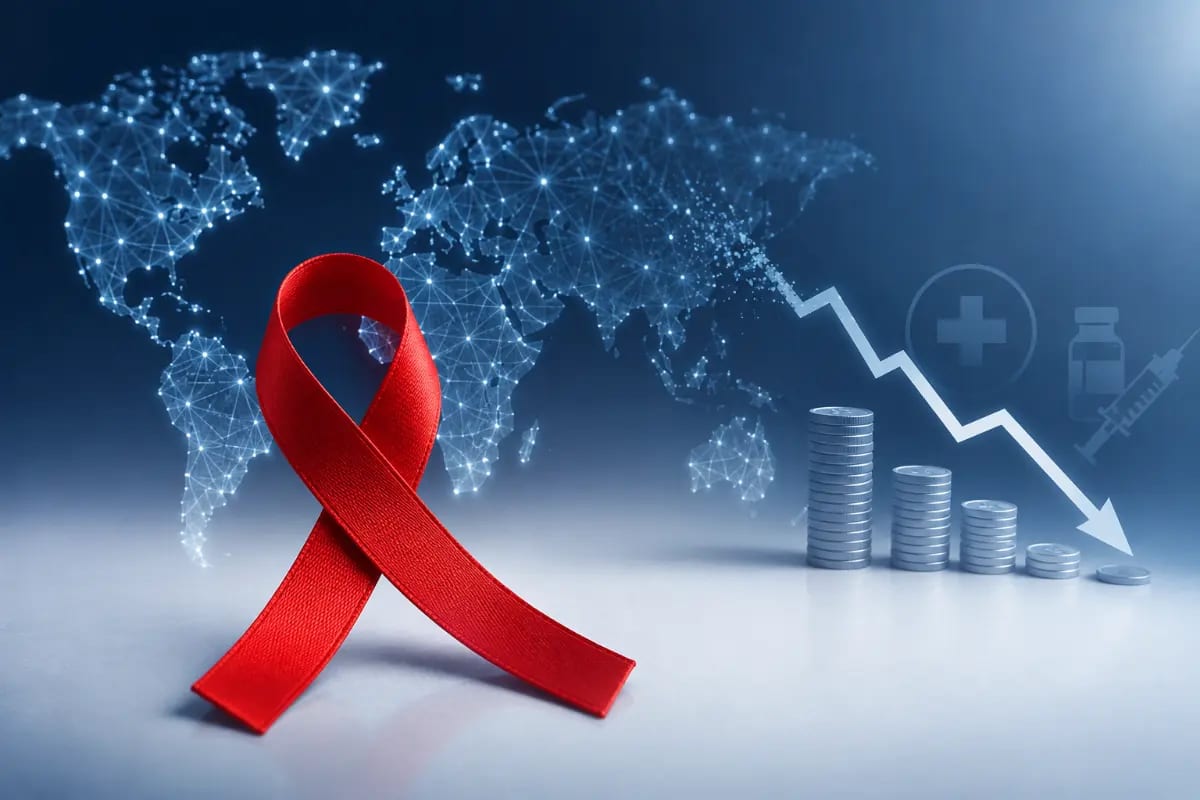
Global funding for HIV programs in low and middle income countries has dropped by 25% in 2025, reaching its lowest level since 2007. A new report by KFF and UNAIDS reveals donor government contributions fell from $8.3 billion in 2024 to $6.2 billion this year. The decline threatens progress in HIV prevention, treatment, and care, particularly in regions heavily reliant on external funding. Rwanda and other nations face critical challenges as they navigate reduced financial support amid ongoing public health demands.
What the Report Reveals
A sharp decline in global HIV funding has raised alarms among public health experts. According to a report released on July 27 by KFF and UNAIDS, donor government contributions to HIV programs in low and middle income countries fell by 25% in 2025, dropping from $8.3 billion in 2024 to $6.2 billion. This marks the lowest funding level since 2007, reversing nearly two decades of progress in the global HIV response.
The report highlights that the reduction is not isolated to a single donor but reflects broader cuts across multiple governments. While the specific reasons for the decline were not detailed in the report, experts suggest shifting political priorities, economic pressures, and competing global health emergencies may have contributed to the funding shortfall.
Why This Matters
The funding cut arrives at a critical moment in the fight against HIV. While significant strides have been made in reducing new infections and AIDS related deaths, the disease remains a major public health challenge. In 2023, an estimated 39 million people were living with HIV globally, with 1.3 million new infections reported that year. Sub Saharan Africa, which accounts for more than 60% of all people living with HIV, is particularly vulnerable to funding reductions.
Rwanda, which has made notable progress in its HIV response, is among the countries likely to feel the impact. The nation has relied on external funding to support its HIV programs, including antiretroviral therapy (ART) distribution and prevention initiatives. With donor support dwindling, local health authorities may struggle to sustain current service levels, potentially leading to treatment interruptions and increased transmission rates.
Public Health Impact
The funding decline threatens to undermine years of progress in HIV prevention and treatment. ART has transformed HIV from a fatal diagnosis to a manageable chronic condition, but access to these medications depends heavily on sustained funding. Reduced financial support could lead to stockouts of essential drugs, limited testing services, and fewer outreach programs, particularly in rural and underserved communities.
UNAIDS has warned that even short term funding gaps can have long term consequences. Interruptions in treatment can lead to drug resistance, increased viral loads, and higher transmission rates. For countries like Rwanda, where HIV prevalence stands at around 3%, maintaining consistent access to care is crucial to preventing a resurgence of the epidemic.
Expert Perspective
Dr. Wafaa El Sadr, a global health expert and professor at Columbia University, emphasized the urgency of the situation. "This funding drop is deeply concerning. We have the tools to end the HIV epidemic, but without sustained investment, we risk losing ground. Countries that have made progress could see setbacks, and those still struggling may face even greater challenges."
El Sadr added that domestic funding and innovative financing mechanisms will be essential to bridge the gap. However, she noted that many low and middle income countries lack the resources to fully replace lost donor support.
What's Next
In response to the funding crisis, UNAIDS has called for urgent action from the international community. The organization is advocating for renewed commitments from donor governments, as well as increased investment from private sector partners. Additionally, UNAIDS is encouraging affected countries to explore domestic funding solutions, such as health budget reallocations and public private partnerships.
For Rwanda, the government has already begun exploring alternative funding models. Earlier this year, health officials announced plans to transition some HIV programs to domestic funding, though the timeline and feasibility of this shift remain uncertain. The country's ability to adapt will be closely watched as a potential model for other nations facing similar challenges.
Key Takeaways
- Global HIV funding from donor governments fell by 25% in 2025, reaching its lowest level since 2007.
- The decline threatens progress in HIV prevention and treatment, particularly in sub Saharan Africa, where over 60% of people living with HIV reside.
- Reduced funding could lead to treatment interruptions, drug stockouts, and increased transmission rates, undermining decades of public health gains.
Frequently Asked Questions
Why did global HIV funding drop in 2025?
The report does not specify exact reasons, but experts suggest shifting political priorities, economic pressures, and competing global health emergencies may have contributed to the decline.
How will the funding cut affect Rwanda?
Rwanda relies on external funding for its HIV programs. Reduced support could lead to treatment interruptions, limited testing services, and fewer outreach programs, particularly in rural areas.
What can be done to address the funding gap?
UNAIDS is calling for renewed donor commitments, increased private sector investment, and domestic funding solutions, such as health budget reallocations and public private partnerships.
Published by O. Ayodeji John | Review by MedSense Editorial Board















DISCUSSION (0)
POST A COMMENT