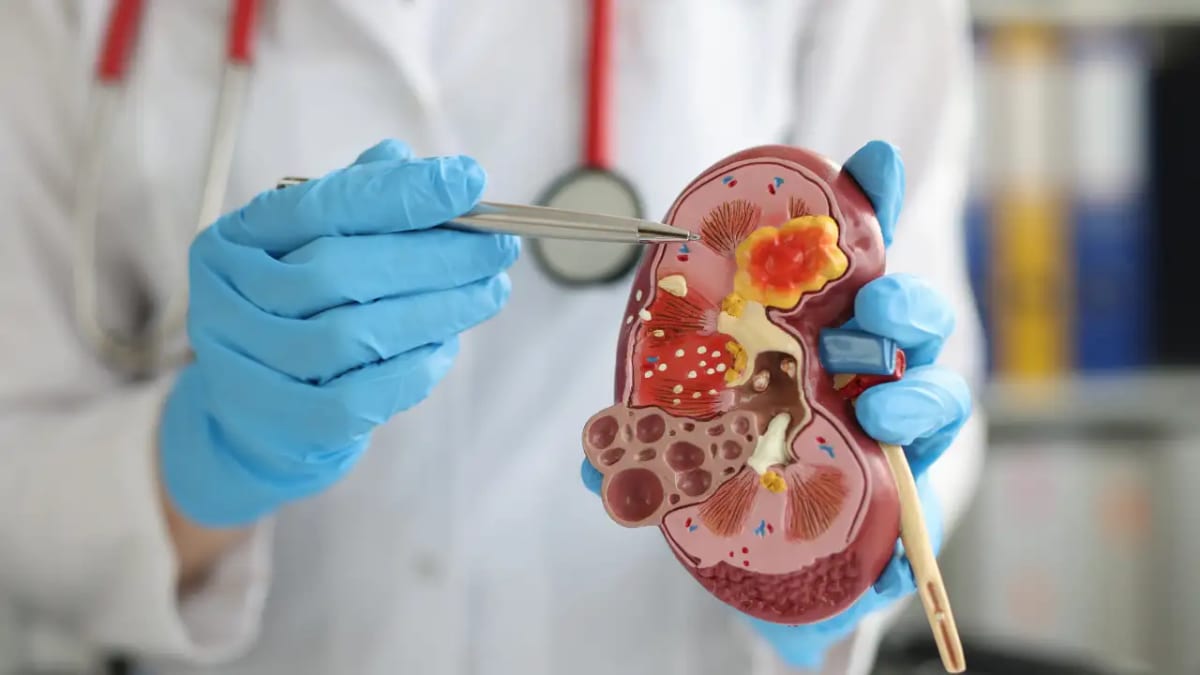
Millions of people worldwide are living with a silent, life threatening condition that often goes unnoticed until it is too late. Chronic kidney disease, now the ninth leading cause of death globally, remains undiagnosed in nearly half of all cases, according to a groundbreaking series of studies published in The Lancet. The findings reveal a critical gap in healthcare systems, where a simple urine test could save countless lives but is not being used widely enough. With kidney disease on the rise and no cure in sight, experts are sounding the alarm for urgent action to improve early detection and treatment.
What Happened
A global team of kidney disease specialists has unveiled stark new evidence that chronic kidney disease CKD is dramatically underdiagnosed, with up to 50% of cases slipping through the cracks of routine medical care. The research, published as a landmark series in The Lancet, underscores how this hidden epidemic is contributing to preventable deaths, avoidable hospitalizations, and escalating healthcare costs. The studies highlight that CKD, which affects an estimated 850 million people worldwide, is often detected only in its advanced stages, when treatment options become limited and outcomes far more severe.
Why Public Health Officials Are Concerned
CKD is a progressive condition that gradually impairs the kidneys' ability to filter waste and excess fluids from the blood. When left undiagnosed, it can lead to kidney failure, cardiovascular disease, and premature death. The Lancet series reveals that many healthcare systems are ill equipped to identify CKD early, particularly in low and middle income countries where access to diagnostic tools is limited. Even in high income nations, routine screening for kidney disease is not standard practice, leaving millions at risk. The economic burden is staggering: CKD treatment consumes a disproportionate share of healthcare budgets, with dialysis and kidney transplants costing tens of billions annually.
Symptoms or Risk Factors
CKD often progresses silently, with few noticeable symptoms in its early stages. By the time symptoms such as fatigue, swelling in the legs, shortness of breath, or changes in urination appear, the disease may have already advanced significantly. Key risk factors include diabetes, hypertension, obesity, and a family history of kidney disease. Older adults and individuals with cardiovascular conditions are also at higher risk. The Lancet studies emphasize that targeted screening for these high risk groups could dramatically improve early detection rates.
Who May Be Affected
The underdiagnosis crisis affects populations across the globe, but certain groups face a disproportionate burden. In low and middle income countries, limited access to healthcare and diagnostic tools means many cases go undetected until it is too late. In wealthier nations, disparities in healthcare access and awareness contribute to the problem, with marginalized communities, including racial and ethnic minorities, bearing a heavier load. The Lancet series also highlights that women are more likely to develop CKD but are less likely to be diagnosed or receive timely treatment compared to men.
Government or WHO Response
The World Health Organization and leading health authorities have long recognized CKD as a major public health challenge, but the Lancet series calls for a renewed global effort to prioritize early detection and management. Experts are urging governments to integrate routine kidney function screening into primary care, particularly for high risk populations. The studies also advocate for public health campaigns to raise awareness about CKD, its risk factors, and the importance of regular check ups. Some countries, such as the United Kingdom and Australia, have already implemented national kidney health strategies, but the Lancet authors argue that a coordinated global response is needed to address the scale of the problem.
Prevention and Safety Guidance
The good news is that CKD is largely preventable, and early intervention can slow its progression. Public health experts recommend the following steps to reduce risk and improve early detection:
- Regular screening: Individuals with diabetes, hypertension, or a family history of kidney disease should undergo regular urine and blood tests to monitor kidney function.
- Lifestyle changes: Maintaining a healthy weight, exercising regularly, and avoiding excessive salt and processed foods can help protect kidney health.
- Blood pressure control: Hypertension is a leading cause of CKD. Managing blood pressure through diet, exercise, and medication can significantly reduce risk.
- Diabetes management: Keeping blood sugar levels under control is critical for preventing kidney damage in people with diabetes.
- Limit over the counter painkillers: Long term use of nonsteroidal anti inflammatory drugs, such as ibuprofen, can harm the kidneys.
What Readers Should Know
CKD is a global health crisis hiding in plain sight. The Lancet series serves as a wake up call for healthcare systems, policymakers, and individuals alike. While the condition is often asymptomatic in its early stages, simple and inexpensive tests can detect it before irreversible damage occurs. For those at higher risk, proactive screening could mean the difference between early intervention and life threatening complications. The message from experts is clear: kidney health must become a priority, not an afterthought, in global public health strategies.
Key Takeaways
- Up to 50% of chronic kidney disease cases remain undiagnosed, contributing to preventable deaths and escalating healthcare costs.
- A simple urine test could dramatically improve early detection but is not widely used in routine medical care.
- High risk groups, including people with diabetes, hypertension, or a family history of kidney disease, should prioritize regular screening.
- Early intervention can slow CKD progression, but awareness and access to diagnostic tools remain major barriers globally.
Frequently Asked Questions
What is chronic kidney disease, and why is it dangerous?
Chronic kidney disease is a long term condition where the kidneys gradually lose their ability to filter waste and excess fluids from the blood. It is dangerous because it often progresses silently, leading to kidney failure, cardiovascular disease, and premature death if left untreated.
Who is most at risk for undiagnosed CKD?
Individuals with diabetes, hypertension, obesity, or a family history of kidney disease are at highest risk. Older adults and those with cardiovascular conditions are also more vulnerable. Women and marginalized communities face higher rates of underdiagnosis.
How can I find out if I have CKD?
A simple urine test, known as a urine albumin to creatinine ratio, can detect early signs of kidney damage. A blood test measuring creatinine levels can also assess kidney function. If you are at high risk, ask your healthcare provider about these tests during routine check ups.
What can I do to protect my kidney health?
Maintain a healthy weight, exercise regularly, control blood pressure and blood sugar levels, limit salt and processed foods, and avoid long term use of over the counter painkillers like ibuprofen. Regular screening is especially important for those at higher risk.
Why is CKD underdiagnosed despite being so common?
CKD is often asymptomatic in its early stages, and routine screening is not standard practice in many healthcare systems. Limited access to diagnostic tools, particularly in low and middle income countries, and a lack of awareness among both patients and providers contribute to the problem.
Medical Review: MedSense Editorial Board



















DISCUSSION (0)
POST A COMMENT