
Ghana’s Ministry of Health has officially denied false social media reports claiming the country is experiencing a deadly Ebola outbreak. The ministry confirmed no cases of Ebola Virus Disease (EVD) exist in Ghana, despite claims circulating online alleging 2,300 cases and 930 deaths. The fabricated figures were incorrectly linked to South African broadcaster SABC News, which had not reported any such outbreak. Health officials emphasized the need for accurate communication to prevent panic and maintain public trust during health emergencies.
What Happened
The Ghanaian Ministry of Health issued a press release on July 21, 2026, dismissing viral social media reports that falsely claimed an Ebola outbreak in the country. The false claims, shared widely on platforms like Facebook and WhatsApp, alleged Ghana had recorded 2,300 Ebola cases and 930 deaths. The ministry clarified that these figures were entirely fabricated and that no cases of Ebola Virus Disease have been detected in Ghana. The rumors were incorrectly attributed to SABC News, a South African broadcaster, which had not reported any outbreak in Ghana.
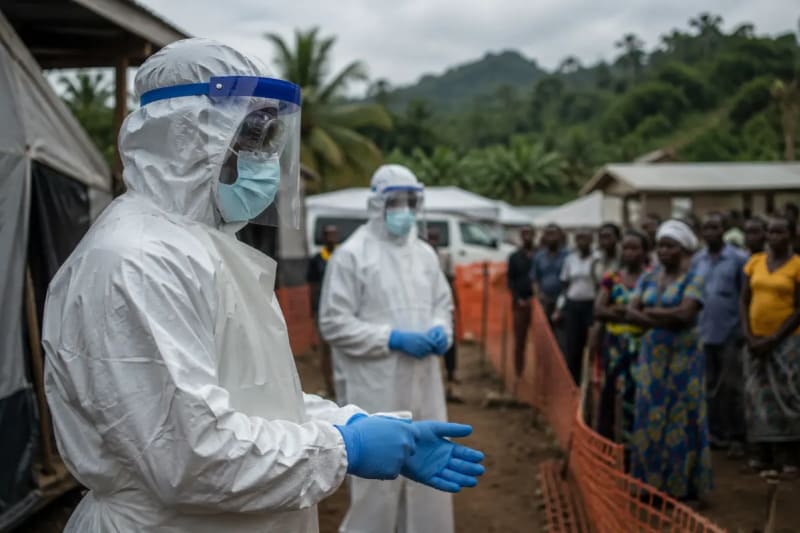
The ministry’s response follows recent regional awareness of Ebola, particularly after outbreaks in neighboring African countries. While Ghana has no active Ebola cases, the incident highlights the challenges of combating health misinformation that spreads faster than official updates. The minister of health recently visited points of entry, laboratories, and treatment facilities as part of routine preparedness efforts, not in response to an outbreak.
Why It Matters
False Ebola claims in Ghana demonstrate the dangers of health misinformation, which can trigger unnecessary panic and disrupt daily life even without an actual outbreak. Such rumors may lead to reduced attendance at schools or workplaces, avoidance of healthcare facilities, or stigmatization of individuals perceived to be at risk. The incident also raises concerns about the reliability of health information in the digital age, where unverified claims can undermine trust in vaccination campaigns and disease surveillance systems.
Ghana’s proactive response serves as a model for how health authorities can counteract false narratives by providing timely, transparent, and accurate information. It underscores the importance of strengthening health communication strategies to ensure official updates reach communities faster than rumors. The ministry urged the public to rely only on verified sources and avoid sharing unverified reports to prevent unnecessary fear.
Who Does It Affect
The false Ebola claims have the potential to impact a wide range of individuals and communities in Ghana and beyond. The general public, particularly in densely populated urban areas, may experience undue stress or avoid healthcare services due to misplaced fear. Vulnerable groups, including children, the elderly, and those with pre-existing health conditions, could be disproportionately affected by heightened anxiety or avoidance of medical care.
Healthcare workers and frontline responders may face increased scrutiny or mistrust from communities influenced by the false reports. Travelers and businesses operating in or with Ghana could also experience unnecessary disruptions due to misplaced safety concerns. On a regional level, neighboring countries and international health organizations monitoring Ebola preparedness in West Africa may need to address secondary effects, such as heightened surveillance or misallocation of resources based on inaccurate information.
What Should I Do
To stay informed and help curb the spread of misinformation, follow these steps:
- Verify the source: Check if health-related news comes from official government sources like the Ministry of Health, Ghana Health Service, or reputable organizations such as the WHO. Cross-reference claims with multiple trusted sources before sharing.
- Avoid amplifying unverified claims: Refrain from sharing social media posts, messages, or videos that lack credible sourcing. Sharing unverified information can contribute to panic and confusion.
- Follow official updates: Monitor announcements from the Ghana Ministry of Health, WHO, or other recognized health authorities for real-time, accurate information on public health situations.
- Educate your community: If you encounter friends or family sharing false health claims, direct them to official sources. Sharing accurate information within your network can help counteract rumors.
- Stay prepared, not panicked: While Ghana has no active Ebola cases, familiarize yourself with basic hygiene practices, such as regular handwashing and avoiding contact with bodily fluids, which are effective in preventing the spread of many infectious diseases.
What We Don't Know Yet
Investigations into the origin of the false Ebola claims are ongoing, and it remains unclear whether the rumors were spread intentionally or due to misunderstanding. Authorities have not yet identified the individuals or groups responsible for creating or amplifying the false reports, nor have they disclosed whether legal action will be taken against those spreading harmful misinformation.
The long-term effects of the false claims on public trust in health authorities are also uncertain. While the ministry’s swift response may have mitigated immediate panic, repeated incidents of health misinformation could erode confidence in official communications over time. Further research is needed to assess how such rumors influence public behavior, particularly in communities with limited access to verified information.
Key Takeaways
- Ghana’s Ministry of Health confirmed no Ebola cases exist despite false social media claims of 2,300 cases and 930 deaths.
- False health claims can cause unnecessary panic and disrupt daily life, even without an actual outbreak.
- The public should verify health information through official sources and avoid sharing unverified reports.
Frequently Asked Questions
How can I tell if a health claim is true?
Check if the claim comes from an official government source like the Ministry of Health or Ghana Health Service, or a reputable organization such as the WHO. Cross-reference the information with multiple trusted sources before believing or sharing it.
What are the symptoms of Ebola?
Ebola symptoms include fever, fatigue, muscle pain, headache, sore throat, vomiting, diarrhea, rash, and in some cases, internal or external bleeding. Symptoms usually appear 2 to 21 days after exposure.
What is Ghana doing to prepare for potential Ebola outbreaks?
Ghana has strengthened surveillance at points of entry, enhanced laboratory capabilities, and ensured treatment facilities are equipped to respond to public health emergencies as part of routine preparedness efforts.
Medical Review: MedSense Editorial Board









DISCUSSION (0)
POST A COMMENT