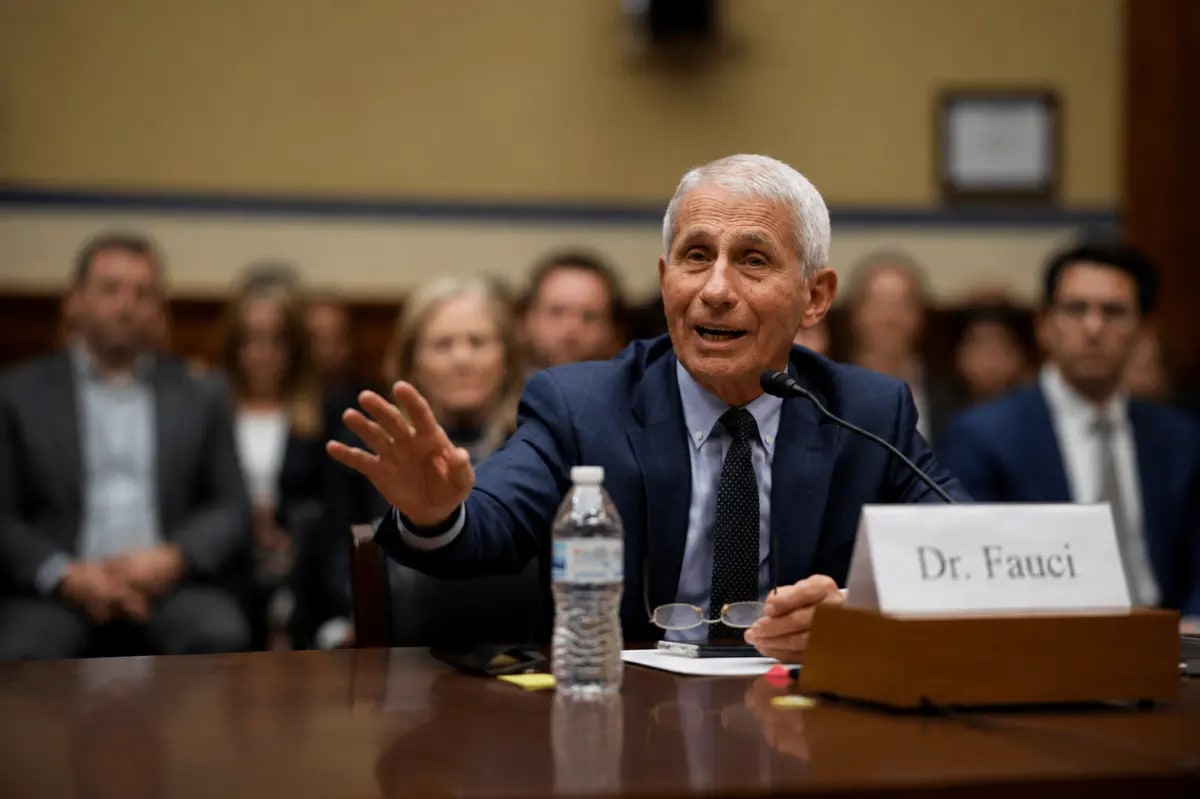
Dr. Anthony Fauci, former director of the National Institute of Allergy and Infectious Diseases, invoked the Fifth Amendment during a Senate hearing investigating the origins of COVID 19. The move comes as Senator Rand Paul announced his committee will vote next week on whether to hold Fauci in contempt of Congress for refusing to answer questions. The hearing reignites debates over pandemic accountability and transparency in U.S. public health institutions.
Latest Developments
Dr. Anthony Fauci, the former top U.S. infectious disease expert, refused to answer questions about the origins of COVID 19 during a contentious Senate hearing on Monday. Invoking his Fifth Amendment right against self incrimination, Fauci declined to respond to multiple queries from lawmakers investigating the pandemic's early days.
Senator Rand Paul, who chairs the Senate Health, Education, Labor, and Pensions subcommittee, announced immediately after the hearing that his panel would vote next week on whether to hold Fauci in contempt of Congress. Paul, a long time critic of Fauci's pandemic response, accused him of obstructing the investigation and suggested the refusal to testify could indicate deeper concerns about the origins debate.
The hearing focused on whether U.S. funding supported controversial gain of function research at the Wuhan Institute of Virology, a theory Fauci has consistently denied. His legal team argued that ongoing investigations and lawsuits created a legitimate risk of self incrimination, justifying the Fifth Amendment invocation.
Why This Matters
The standoff highlights escalating tensions between Congress and public health officials over pandemic accountability. Fauci's refusal to testify risks further politicizing the origins debate, which has divided scientists and policymakers since the virus emerged in late 2019. While most virologists believe COVID 19 likely jumped from animals to humans, a vocal minority continues to push for investigations into potential lab leaks.
Public health experts warn that the confrontation could undermine trust in U.S. scientific institutions. The American Medical Association released a statement expressing concern that the hearing's tone might discourage future scientists from serving in government roles. Meanwhile, legal analysts note that contempt proceedings against a former official would be unprecedented and could set new precedents for congressional oversight.
Political and Scientific Fallout
The hearing reflects broader partisan divisions over pandemic response. Republican lawmakers have increasingly targeted Fauci, who became a polarizing figure during the Trump administration. Democrats accuse the committee of using the origins debate to score political points rather than pursuing genuine scientific inquiry.
Scientifically, the impasse leaves key questions unanswered. The World Health Organization has called for more transparency from China regarding early COVID 19 cases, while U.S. intelligence agencies remain divided on the virus's origins. A 2023 Department of Energy assessment suggested a lab leak was plausible but offered no definitive conclusions.
Fauci's legal team maintains that his Fifth Amendment invocation should not be interpreted as confirmation of any particular theory. They argue that the current political climate makes fair testimony impossible, with multiple ongoing investigations creating legal jeopardy regardless of his answers.
What's Next
The Senate subcommittee's contempt vote, expected next week, could trigger a lengthy legal battle. If approved, the full Senate would need to vote on the measure before any potential criminal referral to the Department of Justice. Legal experts suggest such proceedings could take months or even years to resolve.
Meanwhile, the origins debate continues to evolve. New research published in *Nature* last month identified potential intermediate animal hosts in Southeast Asia, lending support to the natural spillover theory. However, critics argue that China's lack of transparency prevents definitive conclusions about the virus's early spread.
Public health advocates urge lawmakers to focus on future pandemic preparedness rather than re litigating past controversies. The White House has remained largely silent on the hearing, emphasizing instead its ongoing efforts to strengthen global disease surveillance systems.
Key Takeaways
- Dr. Anthony Fauci invoked the Fifth Amendment during a Senate hearing on COVID 19 origins, refusing to answer questions about potential U.S. involvement in gain of function research.
- Senator Rand Paul announced his committee will vote next week on holding Fauci in contempt of Congress, escalating tensions over pandemic accountability.
- The standoff risks further politicizing the origins debate and could set new precedents for congressional oversight of public health officials.
Frequently Asked Questions
Why did Fauci plead the Fifth?
Fauci's legal team cited ongoing investigations and lawsuits as creating a legitimate risk of self incrimination, justifying his refusal to answer questions about COVID 19 origins.
What happens if Fauci is held in contempt?
A contempt vote would need approval from the full Senate before any potential criminal referral to the Department of Justice. Legal experts say such proceedings could take months or years to resolve.
Does this mean Fauci believes in the lab leak theory?
No. Fauci's legal team states his Fifth Amendment invocation should not be interpreted as confirmation of any particular theory about COVID 19's origins.
Published by O. Ayodeji | Review by MedSense Editorial Board
























DISCUSSION (0)
POST A COMMENT