
What Happened
The latest data from health ministries in the Democratic Republic of Congo and Uganda confirm a rapid escalation in Ebola cases, with infections increasing by nearly 40 percent over the past seven days. The death toll has now surpassed 200, marking one of the most severe outbreaks in recent years. The virus, which causes severe hemorrhagic fever, has demonstrated its ability to spread across porous borders, complicating containment efforts in a region already grappling with armed conflict, displacement, and fragile healthcare infrastructure.
Why Public Health Officials Are Concerned
Ebola’s high fatality rate, historically ranging from 25 to 90 percent depending on the strain and response, makes every surge a global health priority. This outbreak involves the Sudan ebolavirus, a less common but equally deadly strain for which no licensed vaccine currently exists. While experimental vaccines are being deployed, their availability and distribution remain limited. Public health experts warn that delays in case identification, contact tracing, and isolation could allow the virus to gain a stronger foothold, particularly in densely populated urban areas where transmission risks are higher.
Compounding the crisis is the persistent mistrust of health workers in some communities, fueled by misinformation and past experiences with poorly coordinated emergency responses. In previous outbreaks, resistance to vaccination and safe burial practices has been linked to higher transmission rates, underscoring the need for culturally sensitive engagement strategies.
Symptoms or Risk Factors
Ebola typically begins with sudden onset of fever, fatigue, muscle pain, headache, and sore throat. As the disease progresses, patients may experience vomiting, diarrhea, rash, impaired kidney and liver function, and in severe cases, internal and external bleeding. The virus spreads through direct contact with bodily fluids of infected individuals or contaminated surfaces, making healthcare workers, family caregivers, and those handling burials particularly vulnerable.
People at highest risk include those living in or traveling to outbreak zones, healthcare personnel without adequate protective equipment, and individuals in close contact with confirmed cases. The incubation period ranges from 2 to 21 days, meaning symptoms may not appear immediately after exposure.
Who May Be Affected
The current outbreak is concentrated in the northeastern regions of the Democratic Republic of Congo and neighboring districts of Uganda. However, the movement of people across borders, whether for trade, work, or refuge, poses a continuous risk of further spread. Internally displaced populations, already facing food insecurity and limited access to healthcare, are among the most vulnerable. Children, the elderly, and those with underlying health conditions are at greater risk of severe outcomes if infected.
Government or WHO Response
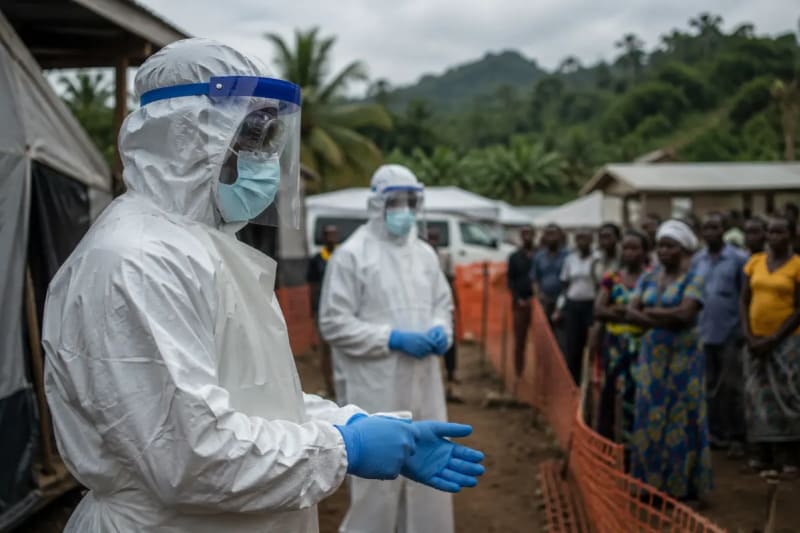
The World Health Organization has activated its highest level of emergency response, deploying teams to support local health authorities in surveillance, case management, and community engagement. Uganda’s Ministry of Health has established isolation centers and intensified border screening, while Congo’s government has ramped up vaccination efforts using an experimental vaccine targeting the Sudan strain. International partners, including the Africa Centres for Disease Control and Prevention and Médecins Sans Frontières, are providing technical and logistical support, though funding gaps and security concerns continue to hinder operations.
Prevention and Safety Guidance
Preventing Ebola transmission relies on a combination of public health measures and individual precautions. Key steps include:
- Avoiding direct contact with blood, bodily fluids, or the remains of infected individuals.
- Practicing rigorous hand hygiene with soap and water or alcohol based sanitizers.
- Using personal protective equipment when caring for sick individuals or handling potentially contaminated materials.
- Ensuring safe and dignified burials for those who die from Ebola, with trained teams following infection control protocols.
- Seeking immediate medical attention if symptoms develop, especially after exposure to confirmed cases.
For travelers to affected regions, the WHO recommends avoiding non essential travel to outbreak zones and adhering to local health advisories. Those returning from high risk areas should monitor their health for 21 days and report any symptoms to healthcare providers.
What Readers Should Know
While the Ebola outbreak remains a regional emergency, its rapid escalation serves as a stark reminder of the persistent threat posed by emerging infectious diseases. The global health community’s ability to respond effectively depends not only on scientific advancements but also on equitable access to resources, community trust, and cross border cooperation. For those in unaffected regions, staying informed through reliable sources and supporting reputable humanitarian organizations can help bolster response efforts where they are needed most.
As the situation evolves, public health officials emphasize that early detection and containment remain the best tools to prevent a full blown crisis. The coming weeks will be critical in determining whether the outbreak can be brought under control or if it will continue to spread unchecked.
Key Takeaways
- Ebola cases in Congo and Uganda have surged nearly 40 percent in one week, with over 200 deaths reported.
- The outbreak involves the Sudan ebolavirus, a strain with no licensed vaccine, complicating response efforts.
- Symptoms include fever, fatigue, vomiting, and in severe cases, internal bleeding. The virus spreads through direct contact with bodily fluids.
- Healthcare workers, displaced populations, and those in close contact with cases are at highest risk.
- Prevention measures include hand hygiene, avoiding contact with infected individuals, and safe burial practices.
Frequently Asked Questions
What is Ebola and how does it spread?
Ebola is a severe, often fatal illness caused by the Ebola virus. It spreads through direct contact with the blood, bodily fluids, or tissues of infected people or animals, or through contact with contaminated surfaces. It does not spread through the air.
Is there a vaccine for the current Ebola strain?
There is no licensed vaccine for the Sudan ebolavirus, the strain responsible for the current outbreak. However, experimental vaccines are being used under emergency protocols to help control the spread.
What should I do if I suspect I’ve been exposed to Ebola?
If you believe you’ve been exposed, monitor your health for 21 days for symptoms such as fever, fatigue, or vomiting. Avoid contact with others and seek medical attention immediately if symptoms develop. Inform healthcare providers of your potential exposure before arrival.
How can communities help prevent the spread of Ebola?
Communities can reduce transmission by following public health guidance: practicing good hand hygiene, avoiding contact with sick individuals or their bodily fluids, and supporting safe burial practices led by trained teams. Open communication with health workers and dispelling myths about the disease are also critical.
Why is this outbreak particularly concerning?
This outbreak is occurring in a region with ongoing conflict, displacement, and weak healthcare infrastructure, making containment efforts more difficult. The rapid rise in cases and cross border spread increase the risk of a larger, uncontrolled epidemic.
Medical Review: MedSense Editorial Board











DISCUSSION (0)
POST A COMMENT