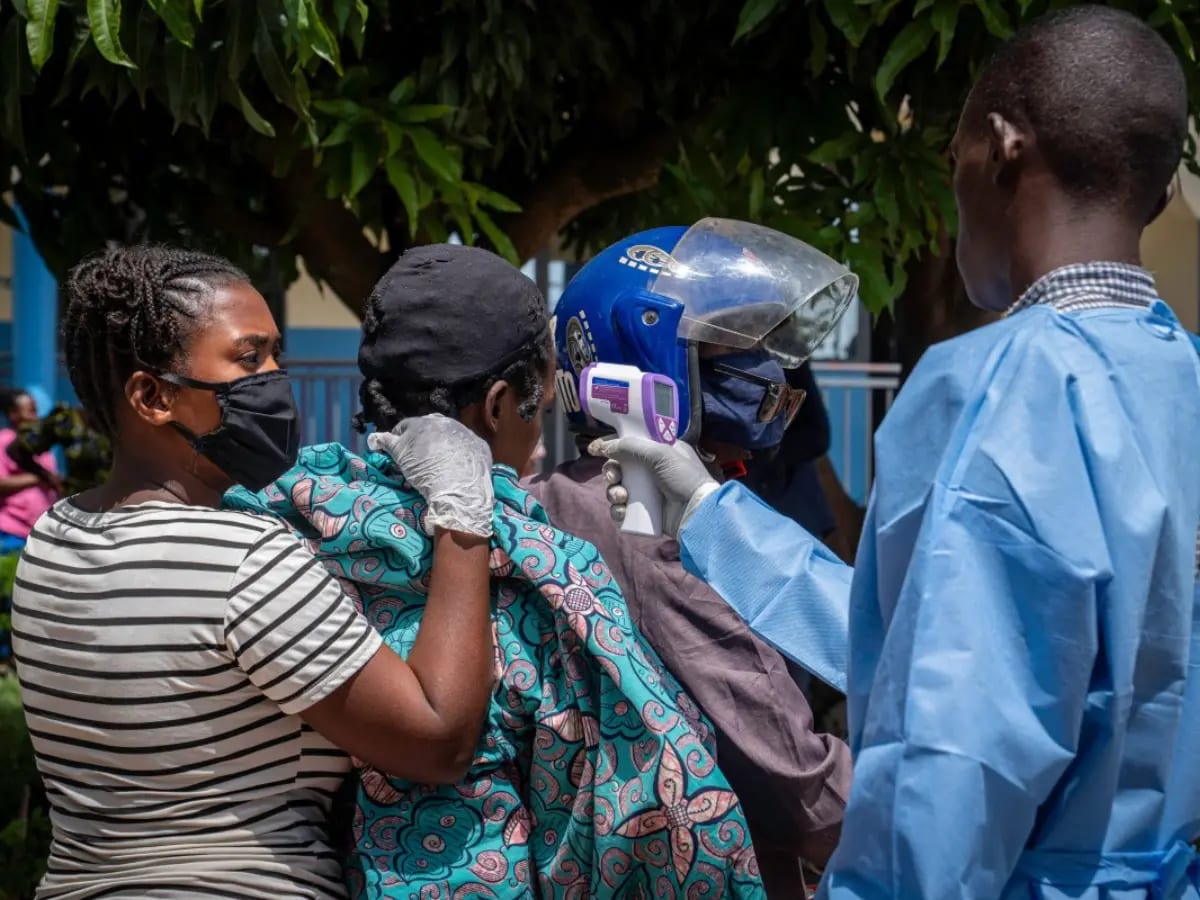
A rare and previously undetected strain of Ebola has breached international borders, with confirmed cases now reported in Uganda after originating in the eastern Democratic Republic of Congo in early April. The outbreak, which evaded early detection, has raised alarms among global health authorities as modeling studies suggest a high likelihood of further spread into South Sudan. The World Health Organization has published urgent findings in The Lancet Infectious Diseases, underscoring the need for rapid containment and cross border coordination to prevent a wider crisis in a region still recovering from past Ebola epidemics.
What Happened
The current Ebola outbreak, caused by a rare strain of the virus, began circulating in the eastern Democratic Republic of Congo in April 2026. Unlike previous outbreaks, this strain went undetected for weeks, allowing the virus to gain a foothold in densely populated areas. By the time health authorities identified the outbreak, cases had already emerged in Uganda, marking the first cross border transmission of Ebola in the region since the devastating 2014 2016 West Africa epidemic.
Why Public Health Officials Are Concerned
Ebola is one of the deadliest viral hemorrhagic fevers, with case fatality rates historically ranging between 25% and 90% depending on the strain and healthcare response. The current outbreak involves a rare variant, which may present unique challenges for diagnosis, treatment, and containment. The WHO modeling study highlights the risk of further spread into South Sudan, a country with fragile healthcare infrastructure and ongoing humanitarian crises. The movement of people across porous borders in the region exacerbates the risk of rapid transmission, particularly in areas with limited surveillance and healthcare access.
Symptoms or Risk Factors
Ebola typically presents with sudden onset of fever, fatigue, muscle pain, headache, and sore throat, followed by vomiting, diarrhea, rash, and in severe cases, internal and external bleeding. The virus spreads through direct contact with bodily fluids of infected individuals or contaminated surfaces. Healthcare workers, family members caring for the sick, and those handling the bodies of deceased victims are at highest risk of infection. Early symptoms can be easily mistaken for malaria or other common illnesses, delaying diagnosis and increasing the risk of community transmission.
Who May Be Affected
The outbreak disproportionately impacts communities in eastern DRC and western Uganda, particularly those living in close quarters with limited access to healthcare. Refugees, internally displaced persons, and populations in conflict zones are especially vulnerable due to disrupted health services and overcrowded living conditions. South Sudan, which shares borders with both countries, faces a heightened risk due to its ongoing humanitarian challenges and limited capacity to detect and respond to outbreaks.
Government or WHO Response
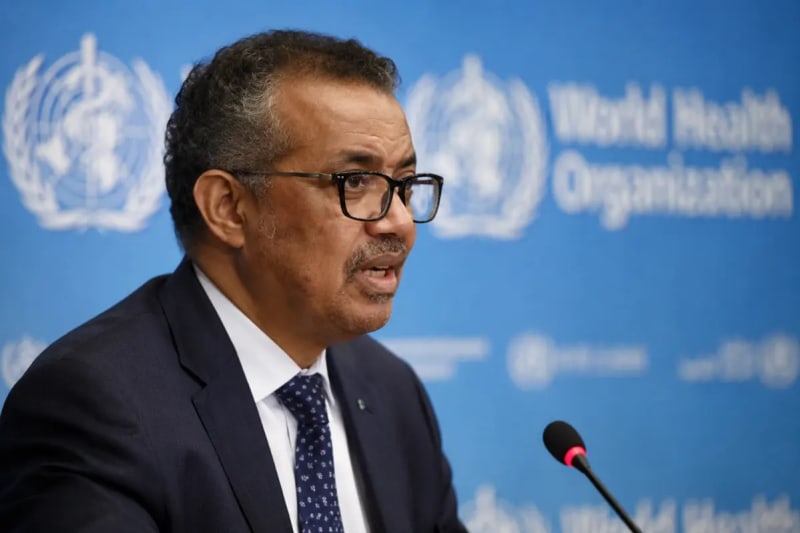
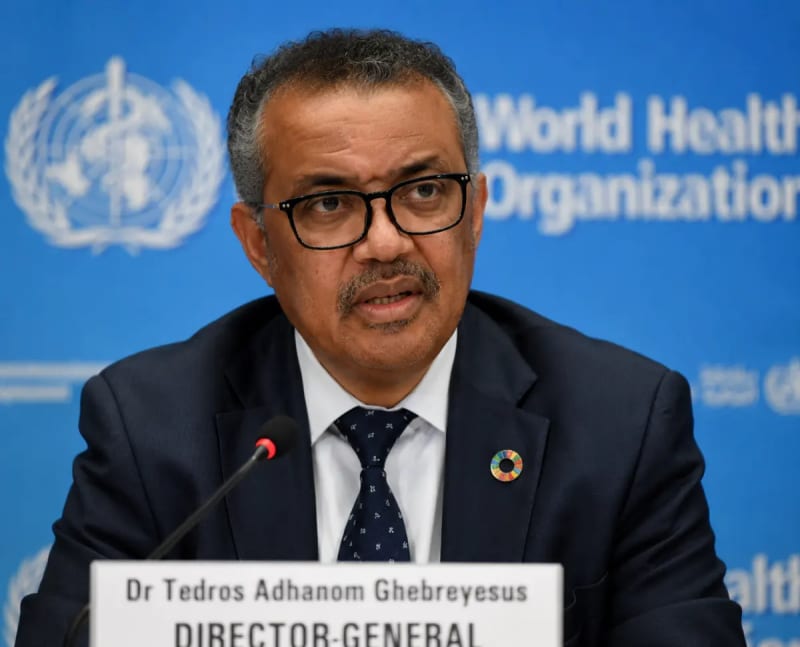
The WHO has activated its emergency response framework, working closely with the Ministries of Health in DRC and Uganda to strengthen surveillance, contact tracing, and laboratory capacity. Vaccination campaigns using the Ervebo vaccine, which has shown high efficacy against Ebola, are being prioritized for high risk populations, including healthcare workers and contacts of confirmed cases. The WHO has also deployed rapid response teams to border areas to monitor cross border movement and implement infection prevention measures. South Sudan has been placed on high alert, with health authorities urged to enhance preparedness and surveillance.
Prevention and Safety Guidance
Preventing Ebola transmission relies on a combination of public health measures and community engagement. Key strategies include:
- Isolating and treating suspected cases immediately to prevent further spread.
- Practicing strict hand hygiene, including frequent handwashing with soap and water or using alcohol based sanitizers.
- Avoiding direct contact with bodily fluids, including blood, saliva, and sweat, from infected individuals.
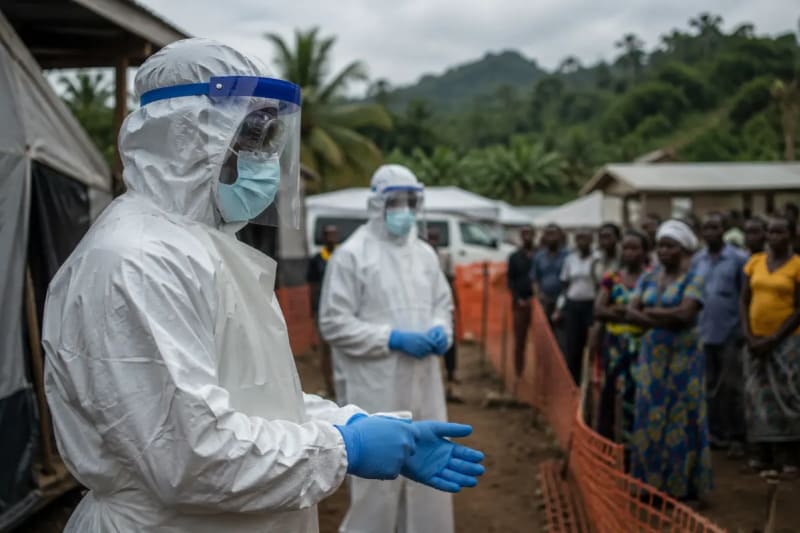
- Using personal protective equipment, such as gloves and masks, when caring for sick individuals or handling bodies of the deceased.
- Ensuring safe burial practices, as Ebola can remain infectious in bodily fluids after death.
- Following travel advisories and reporting any symptoms immediately to health authorities.
What Readers Should Know
This outbreak serves as a stark reminder of the persistent threat posed by Ebola, particularly in regions with fragile healthcare systems. While the risk to global populations remains low, the situation demands vigilance from both health authorities and communities. Early detection, rapid response, and cross border collaboration are critical to containing the virus before it escalates into a larger crisis. Individuals in affected or high risk areas should stay informed through official health channels and adhere to guidance from local authorities to protect themselves and their communities.
Key Takeaways
- A rare Ebola strain has spread from eastern DRC to Uganda, with confirmed cross border transmission.
- WHO modeling indicates a high risk of the outbreak reaching South Sudan, a country with fragile healthcare infrastructure.
- Ebola symptoms include fever, fatigue, vomiting, and in severe cases, internal and external bleeding, with transmission occurring through direct contact with bodily fluids.
- Health authorities are prioritizing vaccination, contact tracing, and surveillance to contain the outbreak, with South Sudan on high alert.
- Prevention measures include hand hygiene, avoiding contact with bodily fluids, and safe burial practices.
Frequently Asked Questions
What is Ebola and how does it spread?
Ebola is a severe, often fatal viral hemorrhagic fever. It spreads through direct contact with the bodily fluids of infected individuals, contaminated surfaces, or the bodies of deceased victims. It does not spread through airborne transmission.
Why is this outbreak particularly concerning?
This outbreak involves a rare strain of Ebola that went undetected for weeks, allowing it to spread before health authorities could respond. The risk of further transmission into South Sudan, a country with limited healthcare capacity, adds to the urgency of containment efforts.
Are there vaccines or treatments available for Ebola?
Yes, the Ervebo vaccine has shown high efficacy in preventing Ebola and is being used in vaccination campaigns for high risk populations. Experimental treatments, such as monoclonal antibodies, have also been developed and used in past outbreaks to improve survival rates.
What should travelers to the region know?
Travelers to affected areas should avoid contact with sick individuals, practice strict hand hygiene, and follow guidance from local health authorities. The WHO and CDC provide updated travel advisories for regions experiencing Ebola outbreaks.
How can communities protect themselves from Ebola?
Communities can reduce transmission by isolating suspected cases, practicing hand hygiene, avoiding direct contact with bodily fluids, and ensuring safe burial practices. Public health education and engagement are critical to preventing further spread.
Medical Review: MedSense Editorial Board










DISCUSSION (0)
POST A COMMENT