What Happened
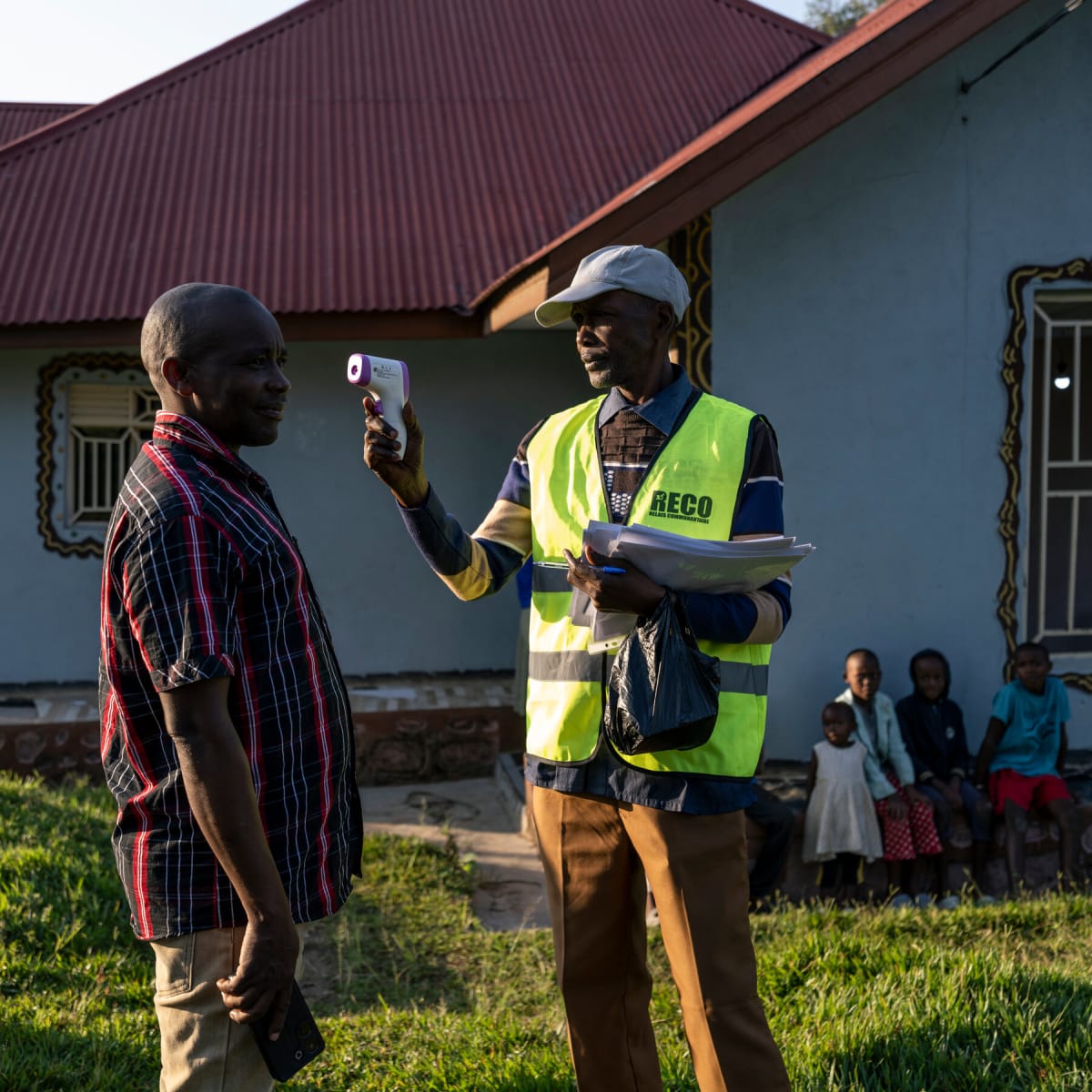
The Democratic Republic of Congo is grappling with an Ebola outbreak where most newly confirmed cases are not linked to known contacts of previous patients. This disconnect indicates that health teams are failing to trace and monitor exposed individuals effectively, allowing the virus to spread undetected. The situation is especially precarious in regions plagued by armed conflict and weak healthcare infrastructure, where access to affected populations is limited.
Why Public Health Officials Are Concerned
Ebola, a highly lethal virus with a fatality rate of up to 90% in some outbreaks, thrives in environments where surveillance is weak. When contact tracing falters, infected individuals may unknowingly transmit the virus to family members, healthcare workers, or others in their communities. The current lapse in Congo raises fears of a resurgence similar to the 2014 2016 West Africa epidemic, which claimed over 11,000 lives before containment efforts gained traction.
Compounding the challenge is the virus’s presence in conflict zones, where violence disrupts health operations and fuels distrust. Many communities remain skeptical of outsiders, including health workers, making it difficult to implement even basic control measures like safe burials or isolation protocols.
Symptoms or Risk Factors
Ebola symptoms typically appear 2 to 21 days after exposure and include fever, severe headache, muscle pain, fatigue, diarrhea, vomiting, and unexplained bleeding or bruising. Risk factors for transmission include direct contact with bodily fluids of infected individuals, handling contaminated objects, or participating in traditional burial practices that involve close contact with the deceased.
Who May Be Affected
The outbreak disproportionately impacts communities in eastern Congo, particularly in North Kivu and Ituri provinces. Healthcare workers, family caregivers, and individuals in densely populated urban areas are at heightened risk. Children, the elderly, and those with underlying health conditions face the greatest threat of severe illness or death.
Government or WHO Response
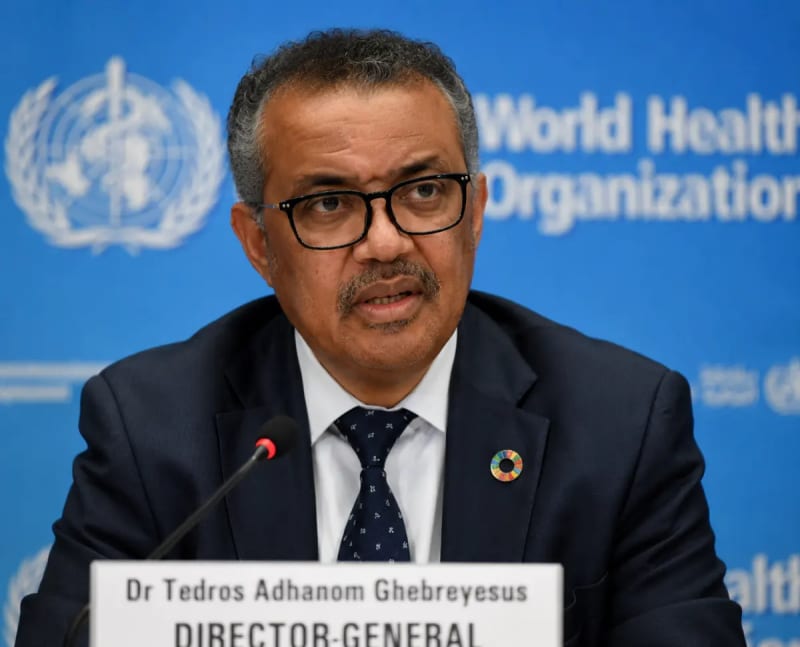
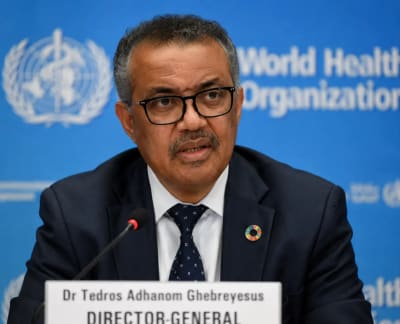
The Congolese Ministry of Health, in collaboration with the World Health Organization and partners like Médecins Sans Frontières, has deployed response teams to affected areas. Efforts include vaccination campaigns targeting high risk groups, community engagement initiatives to rebuild trust, and the establishment of treatment centers. However, funding shortages and security risks continue to hamper progress.
The WHO has classified the outbreak as a Public Health Emergency of International Concern, a designation reserved for extraordinary events that pose a global health risk. Despite this, the response remains underfunded, with critical gaps in personnel and resources.
Prevention and Safety Guidance
Preventing Ebola transmission requires a multipronged approach:
- Avoid direct contact with bodily fluids of infected individuals or those who have died from the virus.
- Practice rigorous hand hygiene, including frequent handwashing with soap and water or alcohol based sanitizers.
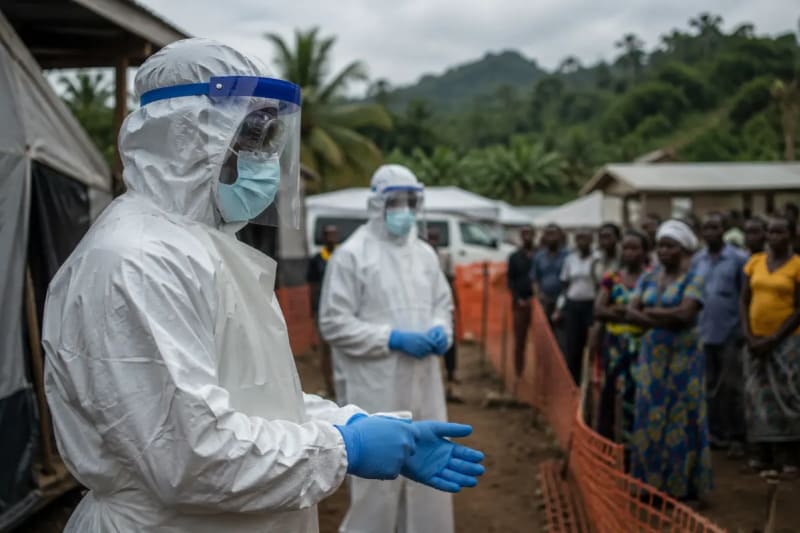
- Healthcare workers should use personal protective equipment when treating suspected or confirmed cases.
- Communities should report suspected cases immediately to health authorities and avoid traditional burial practices that involve touching the deceased.
- Vaccination is recommended for high risk groups, including healthcare workers and contacts of confirmed cases.
What Readers Should Know
This outbreak is not just a local crisis but a global health concern. The failure of contact tracing in Congo underscores the fragility of disease surveillance in conflict zones and resource limited settings. While the international community has made strides in developing vaccines and treatments, their effectiveness depends on robust implementation on the ground.
For those in affected regions, vigilance is critical. Recognizing symptoms early and seeking medical care can save lives. For the broader global audience, the situation serves as a reminder of the importance of supporting public health infrastructure in vulnerable regions. Without sustained investment and cooperation, outbreaks like this will continue to threaten lives and destabilize communities.
Key Takeaways
- Most new Ebola cases in Congo are not being captured by contact tracing efforts, allowing the virus to spread undetected.
- Weak surveillance, conflict, and community distrust are major barriers to containment.
- The WHO has declared the outbreak a Public Health Emergency of International Concern, but response efforts remain underfunded.
- Prevention relies on avoiding contact with bodily fluids, practicing hand hygiene, and vaccination for high risk groups.
Frequently Asked Questions
Why is contact tracing so important in Ebola outbreaks?
Contact tracing is essential because it allows health workers to identify and monitor individuals who may have been exposed to the virus. This helps break chains of transmission by isolating cases early and preventing further spread. When contact tracing fails, the virus can circulate undetected, leading to larger outbreaks.
What are the biggest challenges to controlling Ebola in Congo?
The outbreak in Congo faces multiple challenges, including armed conflict, which disrupts health operations and limits access to affected communities. Distrust of health authorities, logistical hurdles, and funding shortages further complicate efforts to implement effective control measures like vaccination and safe burials.
Is there a vaccine for Ebola?
Yes, an Ebola vaccine called Ervebo has been approved and is being used in Congo to protect high risk groups, including healthcare workers and contacts of confirmed cases. The vaccine has shown high effectiveness in preventing infection, but its impact depends on reaching those who need it most.
What should I do if I suspect someone has Ebola?
If you suspect someone has Ebola, avoid direct contact with their bodily fluids and immediately notify local health authorities. Do not attempt to care for the person without proper protective equipment. Early medical intervention can improve survival rates and reduce the risk of transmission.
Medical Review: MedSense Editorial Board










DISCUSSION (0)
POST A COMMENT