
What Happened
The U.S. Centers for Disease Control and Prevention has released a sobering analysis indicating that the ongoing Ebola outbreak in Central Africa could escalate to 20,000 cases or more if infected individuals are not rapidly identified and isolated. The projection is based on epidemiological modeling that accounts for transmission rates, healthcare capacity, and the effectiveness of current containment strategies. While the outbreak has not yet reached that scale, the CDC’s findings emphasize the urgency of scaling up response efforts to prevent an uncontrollable surge.
Why Public Health Officials Are Concerned
Ebola is one of the most lethal viral diseases known, with fatality rates historically ranging from 25% to 90% depending on the strain and access to medical care. The virus spreads through direct contact with bodily fluids, making rapid isolation of infected individuals and rigorous contact tracing essential to breaking chains of transmission. In Central Africa, where healthcare infrastructure is often under resourced, delays in detection and isolation can allow the virus to spread exponentially. The CDC’s projection reflects the real risk of the outbreak overwhelming local health systems if containment measures falter.
Beyond the immediate health threat, the outbreak poses broader risks to regional stability. Previous Ebola epidemics have disrupted economies, strained healthcare workers, and eroded public trust in health authorities. The 2014 2016 West Africa outbreak, which infected over 28,000 people, demonstrated how quickly the virus can spiral out of control without coordinated international intervention. Public health experts are now drawing parallels to that crisis, warning that complacency could lead to a similar catastrophe.
Who May Be Affected
The outbreak primarily threatens communities in Central Africa, particularly in areas with limited access to healthcare and high population density. Healthcare workers, who are on the front lines of containment efforts, face an elevated risk of infection due to frequent exposure to patients. Families and caregivers of infected individuals are also at heightened risk, as the virus spreads through close contact during care or burial rituals. Additionally, travelers to and from affected regions could inadvertently carry the virus across borders, raising concerns about international spread.
Government and WHO Response
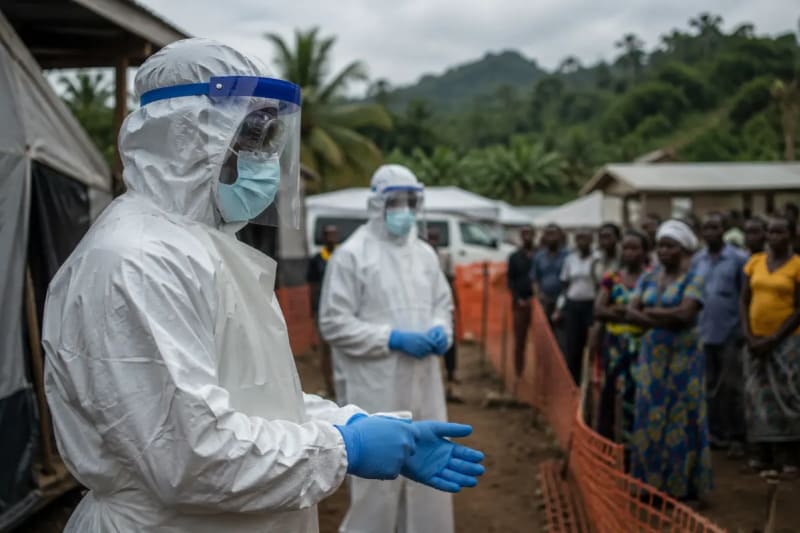
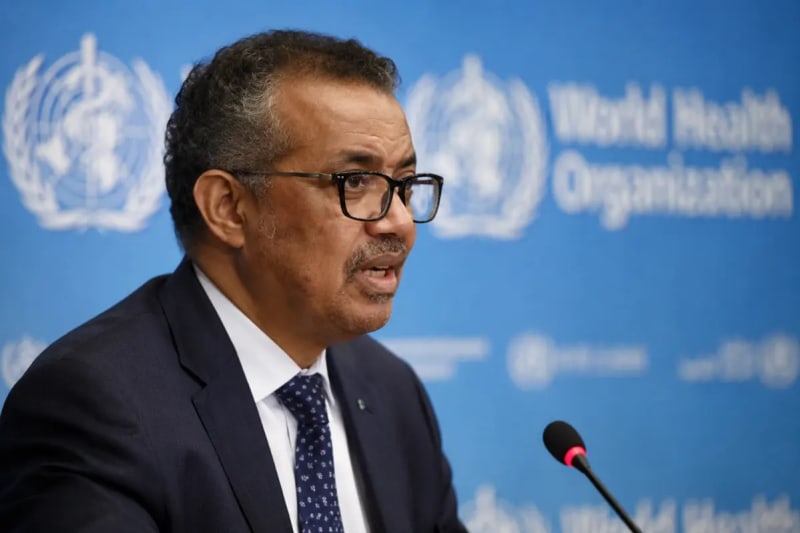
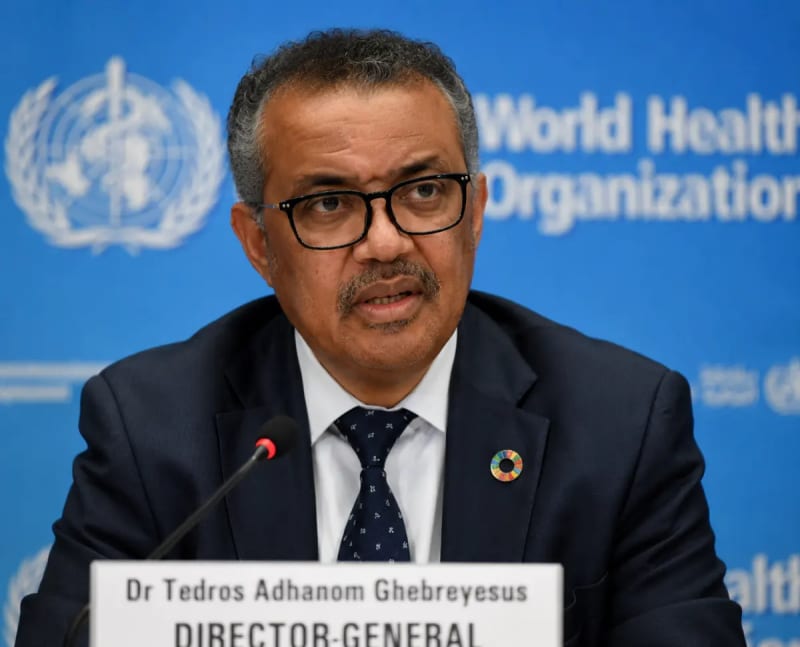
The World Health Organization and local health authorities have ramped up response efforts, deploying medical teams, diagnostic tools, and supplies to affected areas. Vaccination campaigns targeting high risk groups, including healthcare workers and contacts of confirmed cases, are underway. However, logistical challenges, including difficult terrain, armed conflict in some regions, and community resistance to medical interventions, have complicated containment efforts. International donors and NGOs are providing critical support, but public health officials stress that sustained funding and coordination are essential to prevent further escalation.
Prevention and Safety Guidance
For individuals in or traveling to affected regions, the CDC and WHO recommend the following precautions:
- Avoid direct contact with bodily fluids of infected individuals, including blood, saliva, and sweat.
- Practice rigorous hand hygiene, using soap and water or alcohol based sanitizers.
- Wear protective gear, such as gloves and masks, when caring for sick individuals or handling potentially contaminated materials.
- Follow safe burial practices, as traditional rituals involving close contact with the deceased can spread the virus.
- Seek immediate medical attention if symptoms such as fever, severe headache, muscle pain, vomiting, or unexplained bleeding develop.
Healthcare workers are advised to adhere to strict infection control protocols, including the use of personal protective equipment and isolation of suspected cases. Community engagement and education are also critical to dispelling myths about the virus and encouraging early reporting of symptoms.
What Readers Should Know
The Ebola outbreak in Central Africa is not an isolated crisis but a global health concern that demands collective action. While the virus remains contained to specific regions, the potential for rapid spread underscores the importance of vigilance and preparedness. For those in unaffected areas, staying informed about travel advisories and supporting international response efforts can help mitigate the risk of wider transmission. The situation remains fluid, and public health authorities will continue to update guidance as the outbreak evolves.
For the latest updates, readers are encouraged to monitor advisories from the WHO, CDC, and local health ministries. Early detection and swift action remain the best defenses against Ebola’s devastating impact.
Key Takeaways
- The CDC warns the Ebola outbreak in Central Africa could reach 20,000 cases without rapid isolation of infected individuals.
- Ebola’s high fatality rate and ease of transmission make containment efforts critical to preventing a catastrophic surge.
- Healthcare workers, families of infected individuals, and travelers to affected regions are at elevated risk.
- International response efforts include vaccination campaigns, medical deployments, and community education, but logistical challenges persist.
- Prevention measures such as avoiding contact with bodily fluids, practicing hand hygiene, and following safe burial practices are essential to curbing spread.
Frequently Asked Questions
What is Ebola, and how does it spread?
Ebola is a severe, often fatal viral disease that spreads through direct contact with the bodily fluids of infected individuals or contaminated surfaces. It is not airborne but can be transmitted through blood, saliva, sweat, vomit, and other fluids. The virus can also spread during traditional burial rituals involving close contact with the deceased.
Why is the CDC projecting 20,000 cases?
The CDC’s projection is based on epidemiological modeling that considers current transmission rates, healthcare capacity, and the effectiveness of containment measures. If infected individuals are not rapidly isolated, the virus could spread exponentially, leading to a surge in cases.
What are the symptoms of Ebola?
Early symptoms include fever, severe headache, muscle pain, weakness, and fatigue. As the disease progresses, patients may experience vomiting, diarrhea, rash, impaired kidney and liver function, and in some cases, internal and external bleeding.
Is there a vaccine for Ebola?
Yes, an Ebola vaccine called Ervebo has been approved and is being used in outbreak response efforts. It is primarily administered to high risk groups, including healthcare workers and contacts of confirmed cases, to prevent infection.
What should travelers to affected regions do?
Travelers should avoid areas with active Ebola transmission, practice strict hand hygiene, and avoid contact with sick individuals or bodily fluids. If symptoms develop during or after travel, seek medical attention immediately and inform healthcare providers of travel history.
Medical Review: MedSense Editorial Board











DISCUSSION (0)
POST A COMMENT