
What Happened
Clinical trials for experimental Ebola treatments have begun in response to the growing outbreak, which has now spread across multiple regions. The World Health Organization and local health authorities have fast tracked the evaluation of several antiviral drugs and monoclonal antibodies that demonstrated efficacy in preliminary studies. These trials aim to determine whether the therapies can reduce mortality rates and improve patient outcomes in real world conditions.
Why Public Health Officials Are Concerned
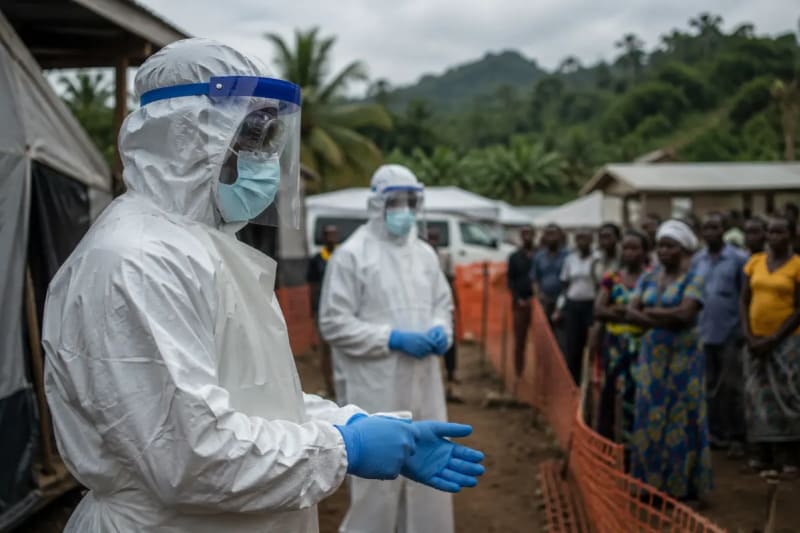
Ebola virus disease is notorious for its rapid progression and high fatality rate, particularly in areas with limited healthcare infrastructure. The current outbreak has already overwhelmed local health systems, raising fears of further spread if containment measures fail. Public health officials emphasize that while treatment trials are a positive development, they are not a substitute for robust infection control practices, including isolation of cases, contact tracing, and community engagement. The virus’s ability to spread through direct contact with bodily fluids makes it especially dangerous in densely populated or resource limited settings.
Symptoms or Risk Factors
Ebola typically begins with sudden fever, fatigue, muscle pain, and sore throat, often mistaken for malaria or other common illnesses. As the disease progresses, patients may experience vomiting, diarrhea, rash, impaired kidney and liver function, and in severe cases, internal and external bleeding. Healthcare workers, family members caring for sick individuals, and those handling the bodies of deceased patients are at highest risk of infection. Early diagnosis is critical, as supportive care, such as rehydration and symptom management, can significantly improve survival rates.
Who May Be Affected
The outbreak primarily impacts communities in regions where the virus has been detected, with healthcare workers and close contacts of infected individuals facing the greatest risk. Travelers to affected areas may also be exposed, though transmission typically requires direct contact with bodily fluids. Children, the elderly, and individuals with underlying health conditions are particularly vulnerable to severe outcomes. Global health agencies are monitoring the situation closely to prevent cross border spread, particularly to urban centers with high population density.
Government or WHO Response
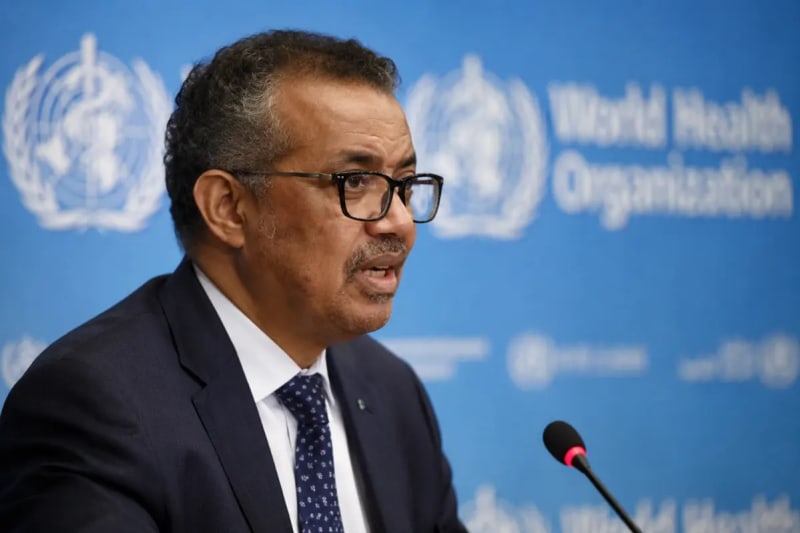
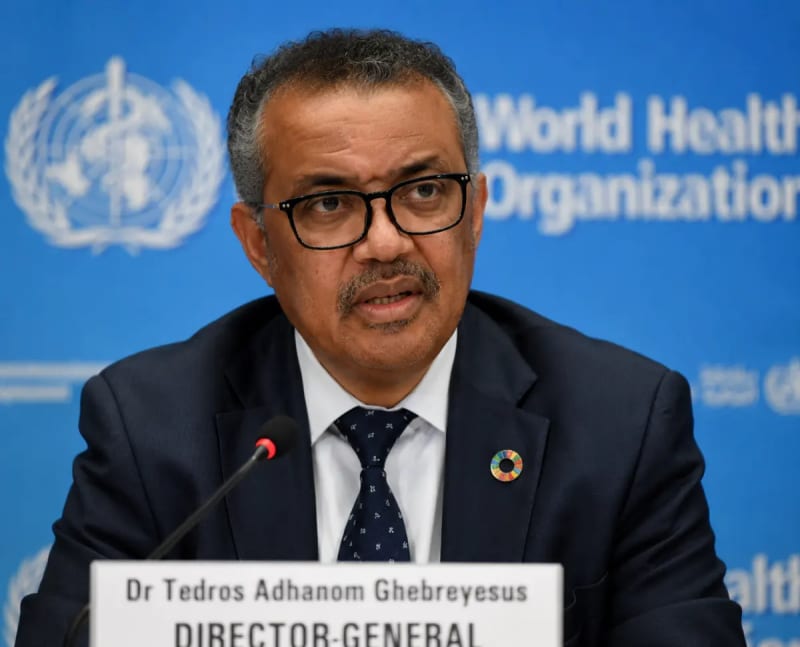
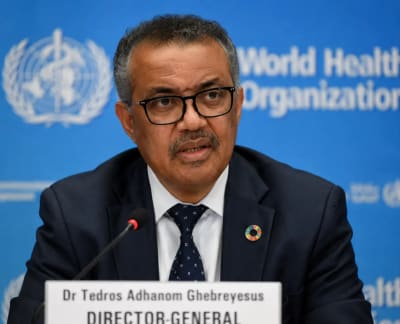
The World Health Organization has declared the outbreak a public health emergency of international concern, mobilizing resources and coordinating with local governments to expand treatment centers and diagnostic capabilities. International teams of epidemiologists, clinicians, and logisticians have been deployed to support containment efforts. Meanwhile, regulatory agencies are expediting approval processes for experimental treatments, balancing the urgency of the situation with the need for rigorous scientific evaluation. Vaccination campaigns using the Ervebo vaccine are also being scaled up in high risk areas.
Prevention and Safety Guidance
Avoiding contact with infected individuals or their bodily fluids is the most effective way to prevent Ebola transmission. Key precautions include:
- Practicing strict hand hygiene with soap and water or alcohol based sanitizers.
- Avoiding handling or consuming bushmeat, which may carry the virus.
- Following safe burial practices, as the virus can persist in bodily fluids after death.
- Wearing personal protective equipment if caring for sick individuals.
- Seeking immediate medical attention if symptoms develop after potential exposure.
Health authorities also urge travelers to affected regions to monitor their health for 21 days after returning and to report any symptoms to healthcare providers.
What Readers Should Know
The initiation of treatment trials is a significant milestone in the fight against Ebola, but it is only one part of a broader response. While these therapies hold promise, they are not yet proven to be universally effective, and access may be limited in the short term. Public health measures, such as early detection, isolation, and vaccination, remain the cornerstone of outbreak control. For those in affected areas, staying informed through trusted sources and adhering to local health guidelines is essential. The global health community continues to emphasize that preparedness and swift action are critical to preventing further loss of life.
Key Takeaways
- Experimental Ebola treatments are entering clinical trials amid an expanding outbreak, offering hope but no immediate widespread solution.
- The virus’s high fatality rate and rapid transmission make containment a top priority for health authorities.
- Prevention relies on infection control measures, including hand hygiene, safe burial practices, and avoiding contact with bodily fluids.
- The WHO and local governments are scaling up treatment centers, diagnostic testing, and vaccination efforts to curb the outbreak.
Frequently Asked Questions
What are the experimental treatments being tested for Ebola?
The trials are evaluating antiviral drugs and monoclonal antibodies that showed promise in earlier laboratory and animal studies. Specific details about the therapies are limited, as the trials are still in early phases.
How effective is the Ebola vaccine?
The Ervebo vaccine has demonstrated high efficacy in preventing Ebola virus disease in clinical trials and real world settings. It is being deployed in outbreak zones to protect high risk individuals, including healthcare workers and contacts of confirmed cases.
Can Ebola be transmitted through the air?
No, Ebola is not an airborne virus. It spreads through direct contact with the bodily fluids of infected individuals or contaminated surfaces. Proper infection control measures can effectively prevent transmission.
What should I do if I suspect I’ve been exposed to Ebola?
Seek medical attention immediately and inform healthcare providers of your potential exposure. Early diagnosis and supportive care can improve outcomes. Monitor your health for 21 days after exposure and follow local health guidelines.
Medical Review: MedSense Editorial Board













DISCUSSION (0)
POST A COMMENT