Clinical Significance
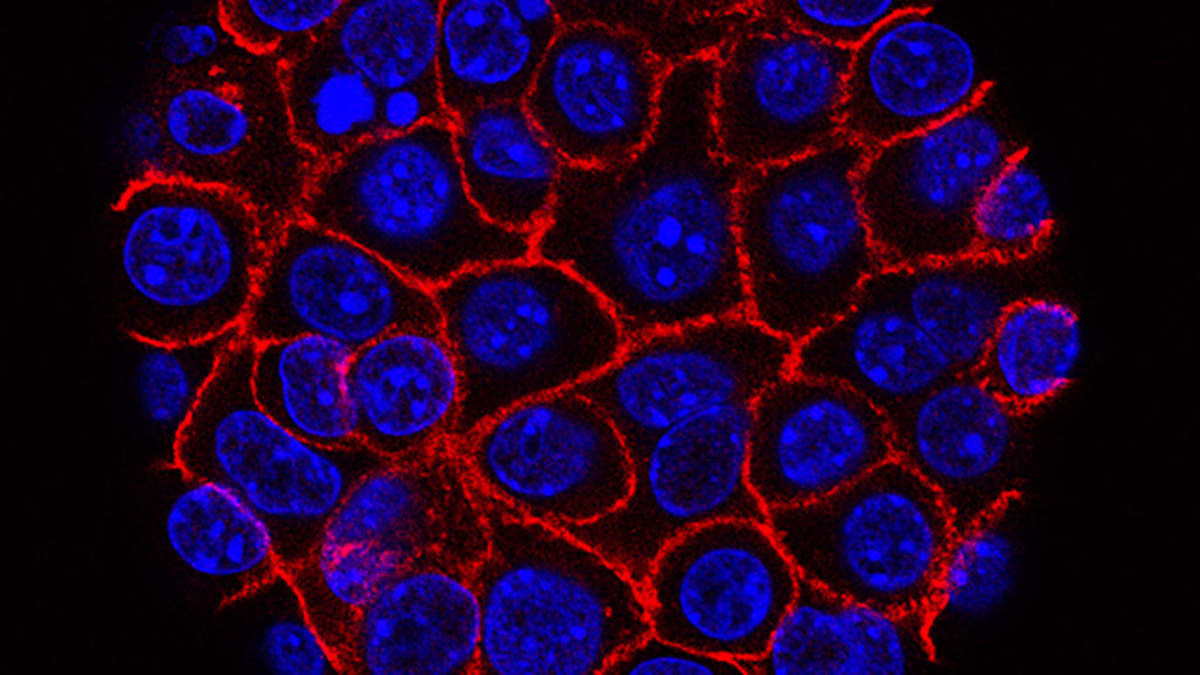
Pancreatic cancer remains one of the most formidable challenges in oncology, with a five year survival rate hovering around 12 percent. Standard treatments, including chemotherapy and targeted therapies, often yield limited benefits due to the cancer’s aggressive nature and rapid development of resistance. The emergence of a drug combination that demonstrates a strong response in early trials could signal a shift in how clinicians approach this disease, particularly for patients with advanced or metastatic forms who have exhausted existing options.
Deep Dive and Research Findings
The trial evaluated the safety and efficacy of combining Tango Therapeutics’ synthetic lethal therapy with Revolution Medicines’ RAS pathway inhibitor. While full data has not yet been disclosed, preliminary results indicate that a significant proportion of participants experienced tumor shrinkage or disease stabilization. The mechanism behind this combination appears to target distinct but complementary pathways involved in pancreatic cancer progression, potentially disrupting the tumor’s ability to evade treatment.
Pancreatic tumors are notorious for their dense stromal environment and genetic heterogeneity, both of which contribute to therapeutic resistance. By simultaneously inhibiting multiple survival pathways, this dual drug approach may circumvent some of these barriers, though researchers caution that larger, randomized trials are necessary to confirm these early observations.
Future Outlook and Medical Implications
If validated in subsequent trials, this combination therapy could expand the treatment arsenal for pancreatic cancer, particularly for patients with specific genetic mutations or those who have relapsed after first line therapies. The trial’s success also underscores the growing potential of precision oncology, where therapies are tailored to the molecular vulnerabilities of individual tumors rather than relying on a one size fits all approach.
However, the road from early stage trials to clinical adoption is long and uncertain. Researchers will need to address questions about long term efficacy, potential side effects, and whether the combination can be tolerated over extended periods. Additionally, the cost and accessibility of such therapies could pose challenges, particularly in healthcare systems with limited resources.
Patient or Practitioner Guidance
For patients and caregivers, these findings should be viewed as a reason for cautious optimism rather than immediate hope. Early stage trials are designed primarily to assess safety and preliminary efficacy, and many promising therapies fail to deliver consistent results in later phases. Patients interested in experimental treatments should consult their oncologists about eligibility for clinical trials, as these may offer access to cutting edge therapies under careful medical supervision.
Clinicians, meanwhile, should stay informed about emerging data from this and similar trials, as the landscape of pancreatic cancer treatment is gradually evolving. While the current standard of care remains chemotherapy based regimens, the integration of targeted therapies could soon provide additional options for select patient populations.
Key Takeaways
- An early stage trial combining drugs from Tango Therapeutics and Revolution Medicines reported a strong response rate in pancreatic cancer patients.
- The combination targets complementary pathways, potentially overcoming resistance mechanisms common in pancreatic cancer.
- While promising, these findings require validation in larger trials before becoming a standard treatment option.
- Patients should discuss clinical trial options with their oncologists for access to experimental therapies.
Frequently Asked Questions
What makes pancreatic cancer so difficult to treat?
Pancreatic cancer is highly aggressive due to its rapid progression, dense stromal environment, and genetic heterogeneity, which contribute to resistance against standard therapies. Additionally, it is often diagnosed at a late stage when treatment options are limited.
How does this drug combination work?
The combination involves Tango Therapeutics’ synthetic lethal therapy and Revolution Medicines’ RAS pathway inhibitor, targeting distinct but complementary pathways involved in tumor survival. This dual approach may disrupt the cancer’s ability to evade treatment.
Are these drugs available for general use?
No, these drugs are still in early stage clinical trials and are not yet approved for general use. They are only available to patients enrolled in the trial or similar studies.
What should patients with pancreatic cancer do with this information?
Patients should view these findings as a potential future option rather than an immediate solution. Consulting with an oncologist about clinical trial eligibility is the best course of action for those interested in experimental treatments.
Medical Review: MedSense Editorial Board




















DISCUSSION (0)
POST A COMMENT