
Clinical Significance
Squamous non small cell lung cancer, which accounts for roughly 25 to 30 percent of all lung cancer cases, has historically been challenging to treat. Unlike its adenocarcinoma counterpart, squamous cell carcinoma has fewer targeted therapy options, leaving chemotherapy and immunotherapy as the primary treatment modalities. The introduction of ivonescimab, which combines anti PD 1 and anti VEGF mechanisms, represents a potential shift in the therapeutic landscape for this aggressive and often treatment resistant cancer subtype.
Deep Dive and Research Findings
The Phase 3 clinical trial, known as HARMONi, evaluated ivonescimab in combination with chemotherapy against pembrolizumab plus chemotherapy in patients with previously untreated, locally advanced or metastatic squamous non small cell lung cancer. The study met its primary endpoint, showing a meaningful extension in progression free survival. More notably, the data revealed a significant improvement in overall survival, a secondary endpoint that has captured the attention of the oncology community.
Ivonescimab’s dual mechanism of action is particularly intriguing. By simultaneously inhibiting PD 1, a checkpoint protein that helps cancer cells evade the immune system, and VEGF, a protein that promotes blood vessel formation to nourish tumors, the drug aims to enhance the body’s immune response while cutting off the tumor’s blood supply. This approach could offer a more robust and sustained anti tumor effect compared to single agent therapies.
Future Outlook and Medical Implications
While the results are promising, the trial’s demographic limitations have sparked important conversations about equity in clinical research. The HARMONi study was conducted predominantly in China, raising questions about the drug’s efficacy and safety in more genetically and ethnically diverse populations. Oncologists and researchers at ASCO emphasized that global regulatory approval and widespread adoption will likely hinge on additional studies that include broader representation.
Summit Therapeutics has indicated plans to pursue regulatory submissions in both the U.S. and Europe, with potential applications extending to other forms of non small cell lung cancer. If validated in larger, more diverse cohorts, ivonescimab could become a valuable addition to the oncologist’s toolkit, particularly for patients who have limited treatment options.
Patient or Practitioner Guidance
For patients with squamous non small cell lung cancer, these findings offer a glimmer of hope but also underscore the importance of participating in clinical trials. Patients interested in emerging therapies should consult their oncologists to discuss eligibility for ongoing or upcoming studies, particularly those that may include ivonescimab or similar bispecific antibodies.
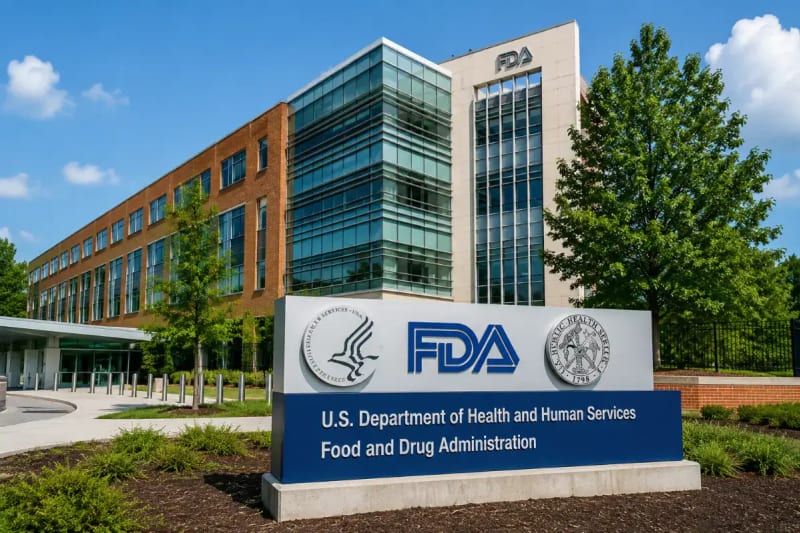
Healthcare providers are advised to stay informed about the evolving data on ivonescimab, particularly as additional trials are launched. Monitoring updates from regulatory agencies such as the FDA and EMA will be critical in determining whether this therapy becomes a viable option in clinical practice. For now, the standard of care remains unchanged, but the progress demonstrated at ASCO signals a potential paradigm shift on the horizon.
Key Takeaways
- Ivonescimab, a bispecific antibody targeting PD 1 and VEGF, has shown significant survival benefits in squamous non small cell lung cancer trials.
- The Phase 3 HARMONi trial met its primary endpoint of progression free survival and demonstrated improved overall survival, a key secondary endpoint.
- Experts emphasize the need for broader demographic validation, as the trial was conducted primarily in China, limiting generalizability to global populations.
- If validated in diverse cohorts, ivonescimab could expand treatment options for a cancer subtype with historically limited therapeutic choices.
Frequently Asked Questions
What is ivonescimab and how does it work?
Ivonescimab is a bispecific antibody that simultaneously targets PD 1, a protein that helps cancer cells evade the immune system, and VEGF, a protein that promotes tumor blood vessel formation. By inhibiting both pathways, the drug aims to enhance immune response and starve tumors of their blood supply.
Who may benefit from ivonescimab?
The drug is currently being studied in patients with previously untreated, locally advanced or metastatic squamous non small cell lung cancer. Its potential benefit for other lung cancer subtypes or patient populations is still under investigation.
Why are doctors calling for more diverse trials?
The initial trial was conducted primarily in China, which may not fully represent the genetic and biological diversity of global patient populations. Broader trials are necessary to confirm the drug’s efficacy and safety across different ethnicities and regions.
When might ivonescimab become available to patients?
Summit Therapeutics plans to pursue regulatory approval in the U.S. and Europe. However, the timeline for availability will depend on the results of additional trials and the review processes of regulatory agencies like the FDA and EMA.
Medical Review: MedSense Editorial Board




















DISCUSSION (0)
POST A COMMENT