
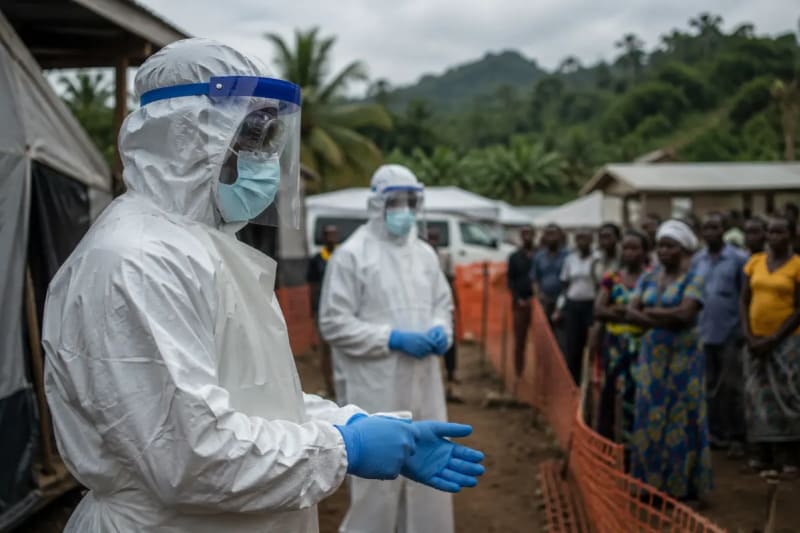
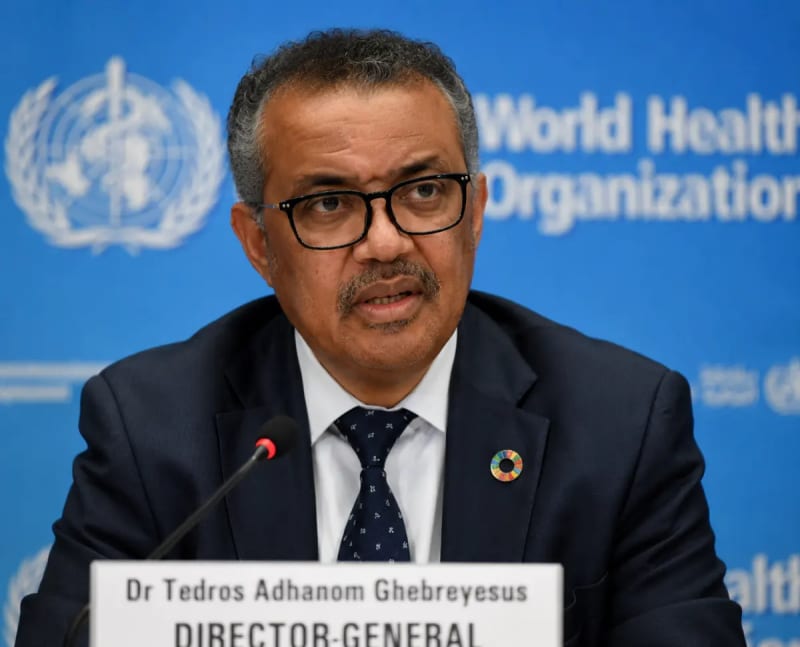
The Democratic Republic of Congo (DRC) has received 70,000 doses of Merck’s Ervebo Ebola vaccine to combat its largest ever Ebola outbreak, the World Health Organization (WHO) announced Thursday. The doses were released from the global Ebola vaccine stockpile managed by the International Coordinating Group (ICG) on Vaccine Provision following an emergency request from Congolese authorities. The vaccine deployment aims to curb the spread of the deadly virus and protect at risk populations.
Emergency Vaccine Allocation
The Democratic Republic of Congo (DRC) has secured 70,000 doses of Merck’s Ervebo Ebola vaccine to address its most severe Ebola outbreak to date, according to the World Health Organization (WHO). The vaccines were swiftly released from the global Ebola vaccine stockpile, which is overseen by the International Coordinating Group (ICG) on Vaccine Provision, after the DRC government submitted an urgent request for support.
Outbreak Response Efforts
The Ervebo vaccine, approved for emergency use by the WHO in 2019, has been a critical tool in controlling previous Ebola outbreaks. Health authorities in the DRC are expected to prioritize vaccination for frontline healthcare workers, contacts of confirmed cases, and high risk communities to prevent further transmission. The WHO, alongside local health agencies, is coordinating the distribution and administration of the doses to ensure rapid deployment.
Global Health Implications
The current outbreak in the DRC underscores the ongoing threat of Ebola in regions with fragile healthcare systems. The global Ebola vaccine stockpile, established to respond to such emergencies, plays a vital role in containing outbreaks before they escalate. While the vaccine has proven effective in reducing mortality rates, health experts emphasize the need for continued surveillance, community engagement, and robust healthcare infrastructure to sustain long term control efforts.
Challenges and Next Steps
Despite the arrival of the vaccines, logistical hurdles such as remote terrain, security concerns, and vaccine storage requirements may complicate distribution. International health organizations are assisting the DRC in overcoming these challenges to maximize the impact of the vaccination campaign. The WHO has also called for increased funding and resources to support the country’s response and prevent further spread of the virus.
Key Takeaways
- DRC receives 70,000 doses of Merck’s Ervebo Ebola vaccine to combat its largest outbreak.
- Vaccines were released from the global stockpile managed by the ICG following an emergency request.
- Efforts focus on vaccinating healthcare workers and high risk populations to curb transmission.
Frequently Asked Questions
What is the Ervebo Ebola vaccine?
Ervebo is a single dose Ebola vaccine developed by Merck, approved for emergency use by the WHO in 2019. It has been shown to be highly effective in preventing Ebola virus disease in clinical trials and real world outbreaks.
How does the global Ebola vaccine stockpile work?
The global Ebola vaccine stockpile, managed by the ICG, ensures rapid deployment of vaccines to countries experiencing outbreaks. It is funded by Gavi, the Vaccine Alliance, and maintained to respond to emergencies like the current situation in the DRC.
What are the main challenges in distributing the Ebola vaccine in the DRC?
Key challenges include reaching remote areas, maintaining the cold chain for vaccine storage, addressing security concerns in conflict zones, and ensuring community trust and participation in vaccination efforts.
Published by O. Ayodeji John | Review by MedSense News Editorial Board








DISCUSSION (0)
POST A COMMENT