
The Democratic Republic of Congo has reported over 3,000 Ebola cases in its 17th outbreak, including 1,354 deaths, as infections surged by nearly 1,000 in just 10 days. Health officials warn the rapid spread poses significant challenges for containment efforts in a region already grappling with conflict and limited healthcare access. The World Health Organization continues to monitor the situation closely, emphasizing the need for accelerated response measures.
Latest Developments
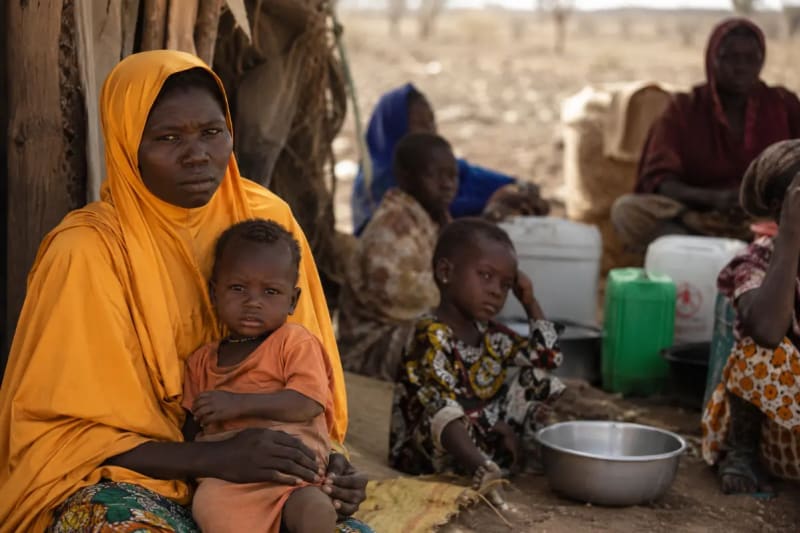
The Democratic Republic of Congo has recorded more than 3,000 Ebola cases in its 17th outbreak, with 1,354 deaths confirmed as of Sunday, according to health officials. The surge marks a sharp increase, with nearly 1,000 new infections reported in just 10 days. The outbreak, declared in April 2022, has proven difficult to control due to ongoing conflict in the region and limited access to healthcare.
The World Health Organization has expressed concern over the rapid spread, noting that the outbreak has now affected multiple provinces, including North Kivu, South Kivu, and Ituri. Vaccination campaigns and contact tracing efforts have been intensified, but insecurity and community resistance continue to hinder progress.
Why This Matters
Ebola, a severe and often fatal illness, spreads through direct contact with bodily fluids of infected individuals or contaminated surfaces. The current outbreak in DR Congo is the second largest in the country's history, following the devastating 2014 2016 epidemic in West Africa that claimed over 11,000 lives. The rapid rise in cases underscores the persistent challenges of controlling infectious diseases in conflict zones, where healthcare infrastructure is often weak or inaccessible.
The situation is further complicated by the presence of other health emergencies, including measles and cholera outbreaks, which strain already limited resources. Health workers face additional risks due to violence and mistrust within communities, delaying critical interventions like vaccination and treatment.
Response Efforts
International organizations, including the WHO and Médecins Sans Frontières, are supporting local health authorities in containing the outbreak. Efforts include deploying medical teams, distributing protective equipment, and expanding vaccination campaigns using the Ervebo vaccine, which has shown high efficacy in previous outbreaks. However, logistical challenges and security concerns have slowed the rollout in some areas.
Community engagement has been prioritized to address misinformation and resistance to public health measures. Local leaders and health workers are conducting outreach programs to educate residents about Ebola prevention and the importance of early treatment. Despite these efforts, skepticism remains a significant barrier, particularly in areas with a history of conflict and displacement.
What's Next
The WHO has warned that the outbreak is far from over and could worsen without sustained international support. Health officials are calling for increased funding and resources to scale up response efforts, including vaccination, contact tracing, and treatment. The risk of further spread remains high, particularly in densely populated urban areas where transmission can accelerate rapidly.
Neighboring countries, including Uganda and Rwanda, have heightened surveillance at border crossings to prevent cross border transmission. The WHO has not yet declared the outbreak a Public Health Emergency of International Concern, but the situation remains under close review.
Key Takeaways
- DR Congo's 17th Ebola outbreak has surpassed 3,000 cases and 1,354 deaths, with infections rising sharply in just 10 days.
- The outbreak is complicated by conflict, limited healthcare access, and community resistance, hindering containment efforts.
- International organizations are scaling up response measures, including vaccination campaigns and community engagement, but challenges persist.
Frequently Asked Questions
What is Ebola and how does it spread?
Ebola is a severe viral illness that spreads through direct contact with bodily fluids of infected individuals or contaminated surfaces. Symptoms include fever, fatigue, muscle pain, and bleeding.
Why is this outbreak difficult to control?
The outbreak is occurring in a conflict zone with limited healthcare infrastructure, making it difficult to reach affected communities. Community resistance and misinformation also hinder response efforts.
What is being done to stop the outbreak?
Health authorities and international organizations are conducting vaccination campaigns, contact tracing, and community outreach programs. However, logistical challenges and security concerns slow progress.
Published by O. Ayodeji John | Review by MedSense Editorial Board











DISCUSSION (0)
POST A COMMENT