
What Happened
Health authorities in Borno State confirmed that a cholera outbreak, which has infected nearly 3,000 people, originated from a contaminated dam serving multiple communities. The dam, located in a densely populated area, became contaminated following heavy rainfall that carried human and animal waste into its waters. Laboratory tests confirmed the presence of Vibrio cholerae, the bacterium responsible for cholera, in samples taken from the dam and affected patients.
The outbreak spread rapidly across seven local government areas, with the highest concentration of cases reported in internally displaced persons camps and underserved rural communities. Health workers on the ground describe conditions as dire, with overcrowded clinics struggling to cope with the influx of patients suffering from severe dehydration and diarrhea.
Why Public Health Officials Are Concerned
Cholera is a highly contagious disease that thrives in environments with poor sanitation and limited access to clean water. In Borno State, years of conflict have destroyed much of the region’s infrastructure, leaving millions without reliable water sources or proper waste disposal systems. The current outbreak is a stark reminder of how quickly preventable diseases can spiral out of control when public health defenses are weakened.
Officials from the Nigeria Centre for Disease Control and Prevention (NCDC) warn that the outbreak could worsen if immediate steps are not taken to improve water quality and sanitation. The situation is further complicated by the ongoing humanitarian crisis, which has displaced millions and stretched already limited resources. Without sustained investment in water and sanitation infrastructure, experts fear that cholera and other waterborne diseases will continue to plague the region.
Symptoms or Risk Factors
Cholera is characterized by profuse watery diarrhea, vomiting, and rapid dehydration. In severe cases, it can lead to shock and death within hours if left untreated. Those at highest risk include:
- Residents of areas with poor sanitation and unsafe drinking water.
- Children under five, who are particularly vulnerable to dehydration.
- Individuals living in overcrowded conditions, such as internally displaced persons camps.
- People with weakened immune systems or underlying health conditions.
Early symptoms may appear within a few hours to five days after exposure to the bacterium. Immediate medical attention is critical, as rehydration therapy can significantly reduce mortality rates.
Who May Be Affected
The outbreak has disproportionately impacted communities already grappling with the fallout of conflict and displacement. Key groups affected include:
- Internally Displaced Persons: Over 2 million people in Borno State live in camps or informal settlements with inadequate water and sanitation facilities, making them highly susceptible to cholera.
- Rural Communities: Many villages lack access to treated water, relying instead on dams, rivers, and shallow wells, which are easily contaminated.
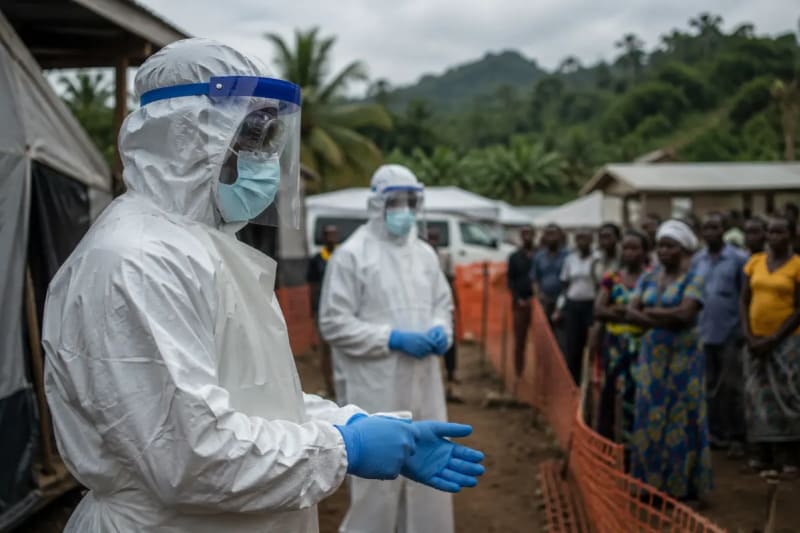
- Healthcare Workers: Frontline responders are at risk of infection due to exposure to patients and limited access to protective equipment.
- Children and the Elderly: These groups are more likely to experience severe symptoms and complications from cholera.
Government or WHO Response
The Borno State government, in collaboration with the NCDC and international partners, has launched an emergency response to contain the outbreak. Efforts include:
- Distribution of chlorine tablets and water purification supplies to affected communities.
- Deployment of rapid response teams to identify and isolate cases, as well as trace contacts.
- Public health campaigns to educate residents on cholera prevention, including handwashing and safe water practices.
- Expansion of treatment centers to manage severe cases and reduce mortality rates.
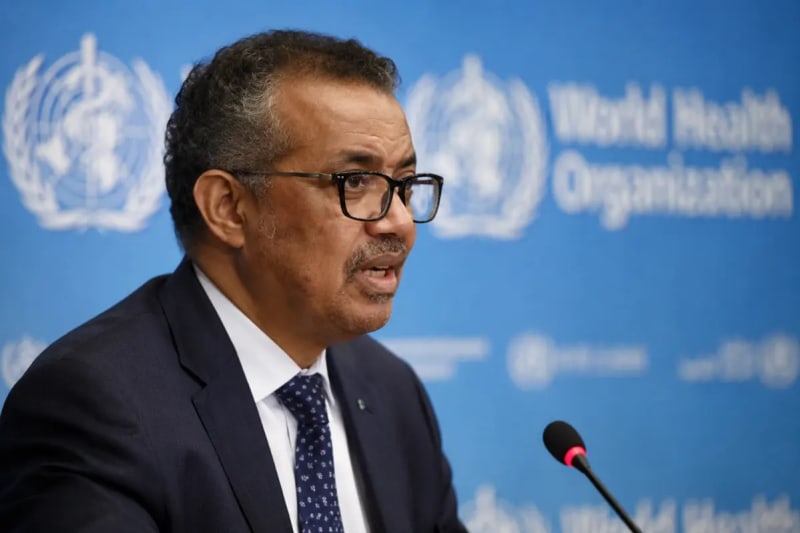
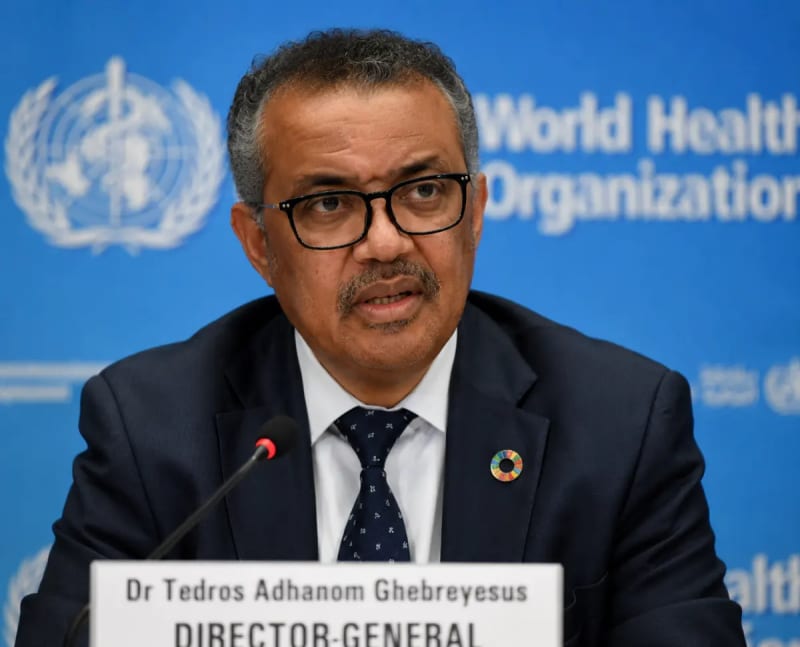
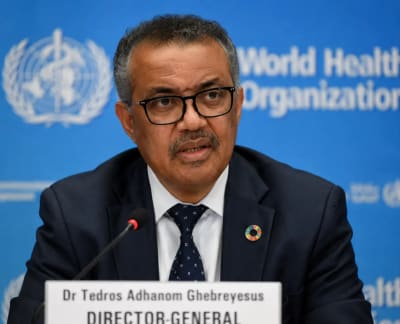
The World Health Organization (WHO) has also provided technical support, including laboratory diagnostics and training for healthcare workers. However, officials emphasize that long term solutions, such as rebuilding water infrastructure and improving sanitation, are essential to preventing future outbreaks.
Prevention and Safety Guidance
Cholera is preventable with basic hygiene and access to clean water. Public health experts recommend the following measures to reduce the risk of infection:
- Water Safety: Boil or treat drinking water with chlorine tablets. Avoid consuming untreated water from dams, rivers, or wells.
- Hand Hygiene: Wash hands thoroughly with soap and clean water before eating, after using the toilet, and after handling food.
- Food Safety: Eat only well cooked food and avoid raw or undercooked seafood. Wash fruits and vegetables with safe water before consumption.
- Sanitation: Use latrines or toilets for waste disposal. Avoid open defecation, which can contaminate water sources.
- Vaccination: Oral cholera vaccines are available and may be recommended in high risk areas. Consult local health authorities for guidance.
What Readers Should Know
This outbreak is not just a public health emergency but a symptom of deeper systemic failures in Nigeria’s northeast. The conflict in the region has displaced millions, destroyed infrastructure, and left communities without basic services. While emergency responses are critical, they are not a substitute for long term investment in water and sanitation systems.
For residents in affected areas, the message is clear: cholera is deadly but preventable. Simple measures like boiling water, washing hands, and using latrines can save lives. For the international community and Nigerian authorities, the outbreak underscores the urgent need to address the root causes of vulnerability in conflict zones, ensuring that no community is left without access to safe water and sanitation.
Key Takeaways
- A contaminated dam in Borno State has triggered a cholera outbreak infecting nearly 3,000 people, exposing critical gaps in water sanitation and public health infrastructure.
- The outbreak disproportionately affects internally displaced persons, rural communities, and vulnerable groups like children and the elderly, who are at higher risk of severe illness.
- Cholera is preventable with basic hygiene practices, including safe water consumption, handwashing, and proper sanitation, but long term solutions require rebuilding infrastructure in conflict affected areas.
- Emergency responses, including water treatment distribution and public health campaigns, are underway, but sustained investment is needed to prevent future outbreaks.
Frequently Asked Questions
What is cholera, and how does it spread?
Cholera is an acute diarrheal illness caused by the bacterium Vibrio cholerae. It spreads through contaminated water or food, particularly in areas with poor sanitation and hygiene. The disease can cause severe dehydration and death if untreated.
What are the symptoms of cholera?
Symptoms include profuse watery diarrhea, vomiting, and rapid dehydration. In severe cases, it can lead to shock and death within hours. Early medical attention is crucial for effective treatment.
How can I protect myself and my family from cholera?
Prevent cholera by drinking only safe water (boiled or treated), washing hands with soap, eating well cooked food, and using proper sanitation facilities. Avoid open defecation and raw or undercooked seafood.
Why is Borno State particularly vulnerable to cholera outbreaks?
Borno State has suffered years of conflict, leading to the destruction of water and sanitation infrastructure. Overcrowded camps for internally displaced persons and limited access to clean water create ideal conditions for cholera to spread.
What is being done to control the outbreak in Borno State?
Authorities are distributing chlorine tablets, expanding treatment centers, and conducting public health campaigns. The WHO and other partners are providing technical support, but long term solutions require rebuilding infrastructure and improving sanitation.
Medical Review: MedSense Editorial Board













DISCUSSION (0)
POST A COMMENT